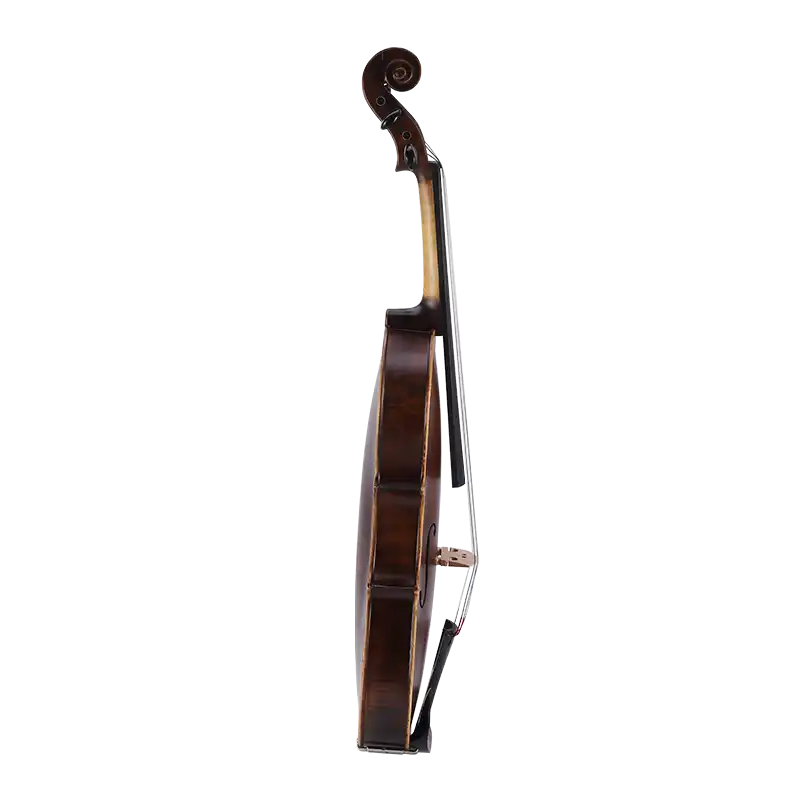
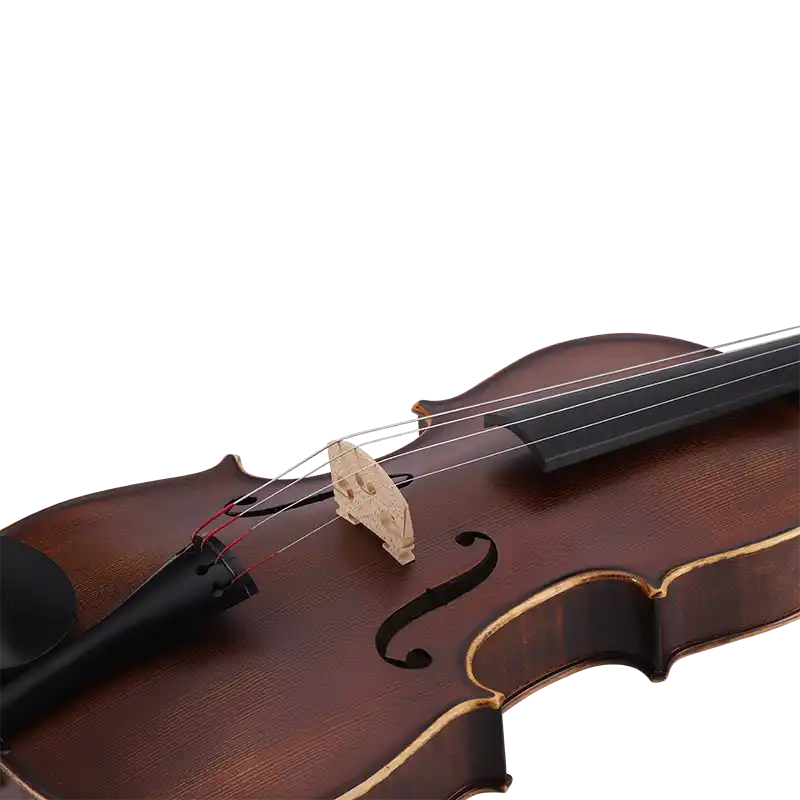
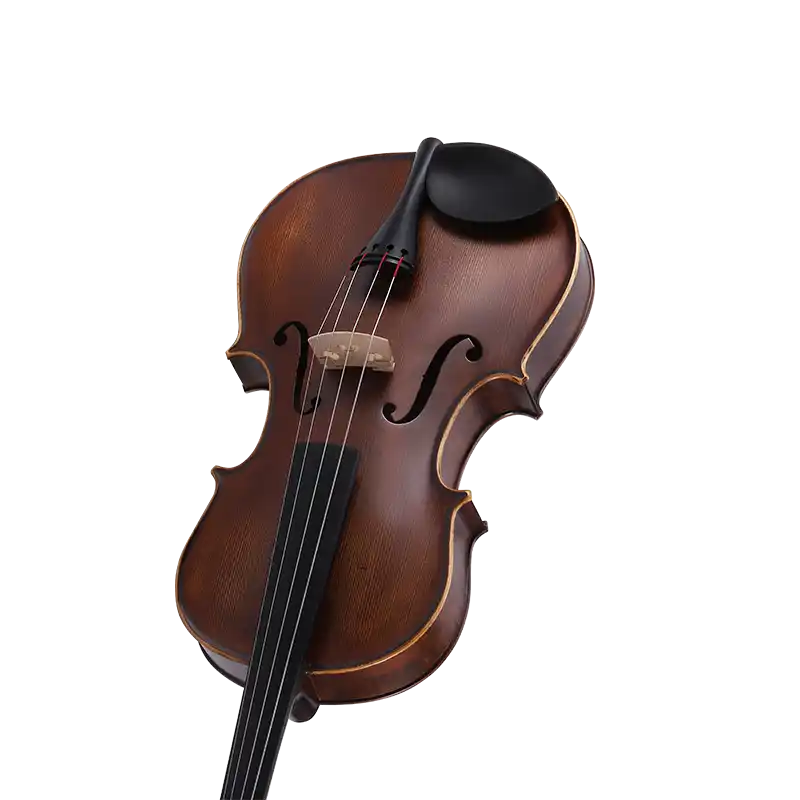
| Violas Size | 15", 15.5", 16", 16.5", 17"+ |
|---|---|
| 面板 Top Plate / Belly | |
| 背板 & 侧板 Back Plate & Ribs | 较少火焰纹枫木 Slightly Flamed Maple |
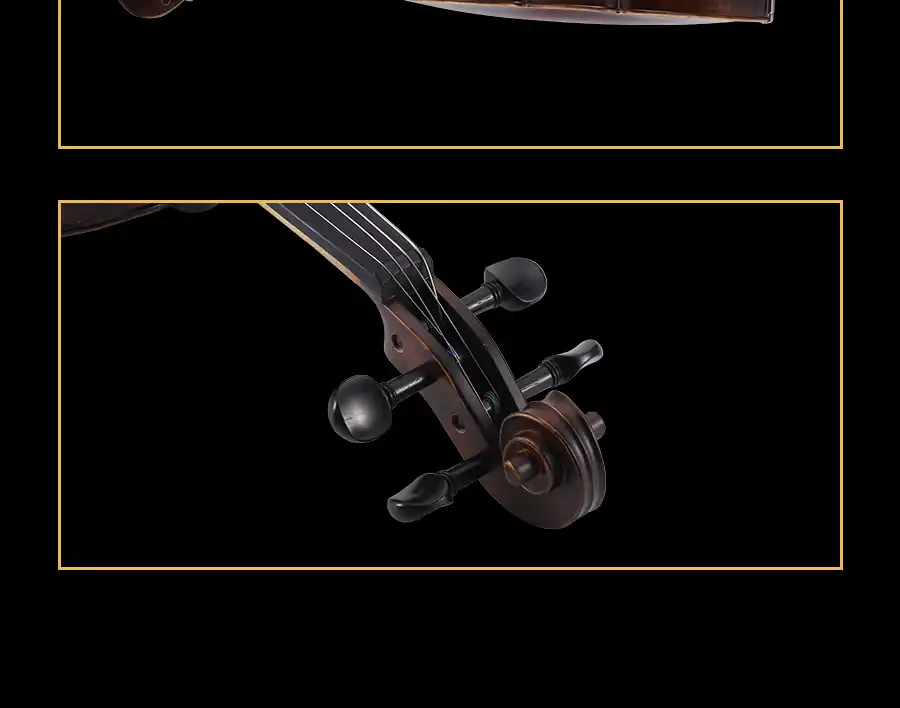
| 琴 头&琴颈Scroll&Neck | |
| 指板 Fingerboard | 乌木 / 黑檀 Ebony |
| 琴码 Bridge | 标准枫木 Standard Maple |
| 配件 Pegs,Tailpiece,Chinrest | 乌木 Ebony |
| 油漆 Varnish | 混合清漆 Hybrid Varnish |
| 琴盒 Case | 三角盒 Shaped / Contoured Case |
| 琴弓 Bow | 精选巴西木 Selected Brazilwood |

Student viola wholesale succeeds when every shipment feels familiar to your buyer—same look, same feel, same setup tolerance. This beginner-tier viola is built for schools, studios, and distributors who value predictable inventory over one-off “show pieces.” To keep your catalog organized by level, list it inside your Beginner Violas category and let dealers self-select the right entry tier without extra back-and-forth.
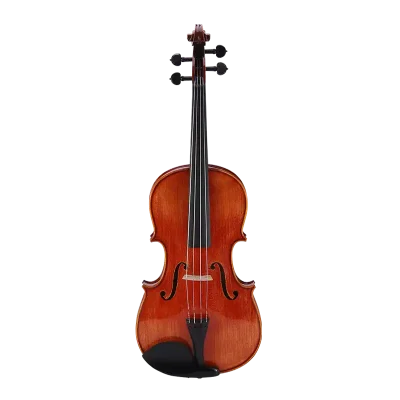
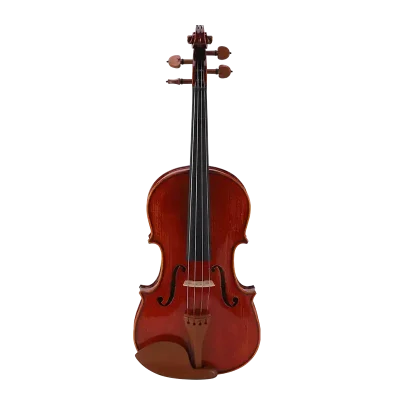
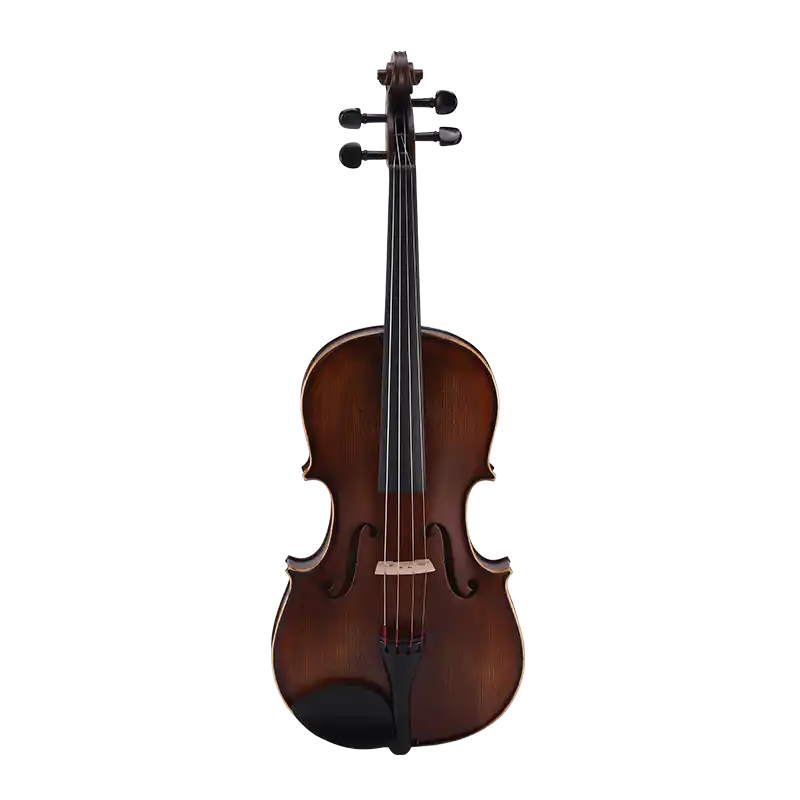
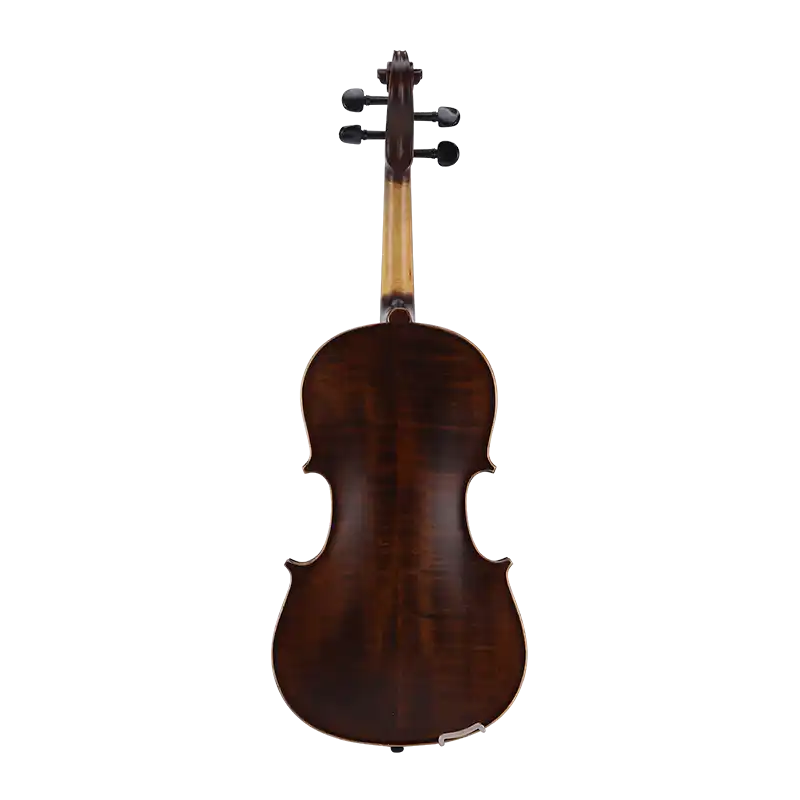
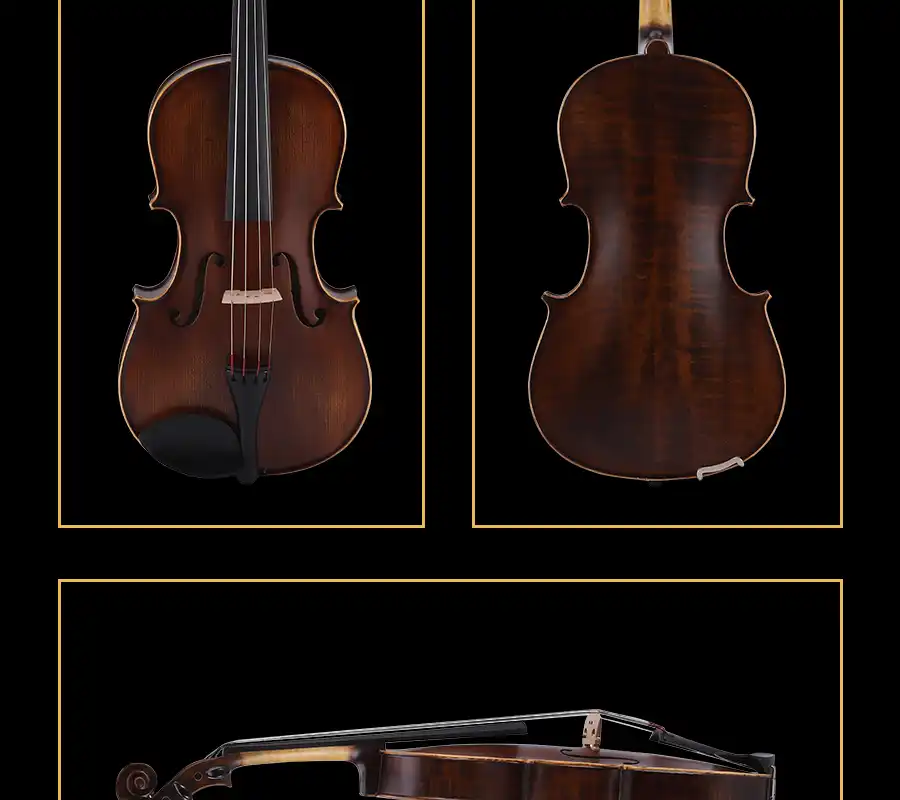
The visual identity is intentionally understated. A lightly figured maple back and sides offer a cleaner, more uniform appearance across batches—an advantage when you are photographing multiple units, building dealer kits, or supplying school programs that want consistent presentation across a classroom set. The goal is not “maximum flame”; it is controlled uniformity that reduces surprise when the next carton arrives. That uniform look also supports private labeling and region-specific packaging, which you can formalize through your OEM/ODM services.
Playability and stability remain the core. The viola belongs to the violin family but occupies a tenor role with a darker, warmer voice; for a concise reference on the instrument’s position and typical body-length range, see Encyclopaedia Britannica’s viola overview. When distributors understand what a viola is expected to deliver, they make better purchasing decisions and set clearer customer expectations.
If you want to demonstrate process control to B2B buyers, point them to your QC and workmanship standards so “consistent” is supported by documented checkpoints rather than marketing language. For buyers planning a step-up pathway, you can naturally connect them to the next tier with your Intermediate Violas selection once student demand is proven.
Student viola wholesale buyers often ask why certain woods show up repeatedly in student instruments. The short answer is reliability. A spruce top is widely used for soundboards because a stiff-and-light top can translate string vibration efficiently—helpful for beginners who are still learning bow control and intonation. The maple back and sides add structural support and clarity, and in this model the maple figure is intentionally restrained to keep batch appearance uniform for dealer merchandising.
If you want an educational authority link that explains the “stiff and light” logic without sounding like a sales pitch, you can reference the World Resources Institute discussion of why spruce is valued for soundboards: WRI on Sitka spruce as a responsive soundboard wood. While the example is guitar-oriented, the physical principle (a responsive top that transfers vibration well) is easy for buyers to understand and helps them justify purchasing decisions internally.
What matters for distributors is not the species name alone, but the controlled workflow behind it: seasoning, humidity management, and setup repeatability. Those behind-the-scenes controls reduce “batch drift” and support predictable dealer listings. When you are selling to schools, a consistent baseline is often more valuable than an instrument that looks spectacular but varies from unit to unit.
As your customers mature, you can guide them to higher specifications without losing them in your catalog. A natural pathway is to position this as the baseline student line and then offer a more refined option in your Professional Violas for conservatory tracks or advanced ensembles—keeping your product ladder clear and commercially logical.
Student viola wholesale programs are judged by durability as much as tone. This beginner viola is configured with full ebony fittings: ebony fingerboard, ebony pegs, ebony tailpiece, and an ebony chin rest. For distributors, the value is straightforward—ebony components support a cleaner premium presentation while helping reduce common early-stage complaints tied to wear, visual inconsistency, or fragile fittings. It is an upgrade that makes sense when your market expects a step above “basic student hardware” without moving the product into a fully professional price tier.
The lightly figured maple back and sides are a deliberate choice here: it keeps the visual language cohesive with the black ebony fittings, creating a calm, professional look that photographs consistently across units. In B2B channels, that matters. Cleaner, repeatable photos reduce listing variance across marketplaces and dealer websites, and they help your sales staff avoid re-explaining why one unit looks different from another.
For institutions, comfort and correct sizing reduce frustration for new players. If you want a practical sizing reference that dealers and teachers can share with parents, you can link to Strad Violin’s measurement guide. A sizing resource lowers “wrong size” returns and improves student adoption rates—especially when you are shipping multiple instruments into a single program.
To support bundled program sales, connect buyers to compatible add-ons—bows, cases, protective items—via your Accessories catalog. This keeps the product page focused while still giving distributors a clear pathway to complete a school or studio package.
Student viola wholesale is not finished at setup; it is completed at packaging. This viola ships with a triangle hard case designed to protect the instrument through warehouse handling and international transport. For B2B buyers, a hard case is not just an accessory—it is part of damage-risk control. Cleaner receiving, fewer transit claims, and better first impressions all support reorder behavior.
Export readiness is also operational: lead time clarity, carton planning, and packing discipline. If you publish packaging methods and delivery expectations, reference them directly on the product page so buyers can self-verify logistics without waiting for email replies. A natural operational anchor is your Shipping/Delivery/Packaging page, which can outline carton reinforcement, internal protection, and timeline guidance for different order sizes.
When distributors run school contracts, their biggest fear is surprises—late delivery, mixed specs, or inconsistent finishing. The most effective antidote is a documented workflow: incoming material checks, in-process inspections, final setup verification, and packing sign-off. If you provide QC documentation or batch-level photos, it strengthens trust and shortens the decision cycle for institutional buyers.
For buyers who start on entry-tier instruments and then scale, your catalog ladder matters. Keep a natural step-up pathway to the next tier by linking from this entry product to your Intermediate Violas category when they begin requesting more nuanced tonal refinement or upgraded cosmetic grades.
Student viola wholesale works best when it protects your buyer’s brand. Schools and studios want instruments that look uniform, arrive protected, and perform consistently for beginners. Dealers want fewer returns, fewer “why does this one look different?” conversations, and a supply partner who can repeat the same outcome order after order.
This model’s lightly figured maple is a commercial advantage, not a compromise. It reduces visual variability, keeps product photography consistent, and supports a professional look alongside full ebony fittings. Ebony components also give your listings a stronger perceived value at the beginner tier, helping distributors justify “best baseline choice” positioning without moving into a fully professional segment.
If your customer needs private labeling, carton marks, or regional packaging inserts, connect them naturally to your OEM services. If they want proof of repeatability, reinforce your message with the QC standards that sit behind every batch. This is how a product page becomes a sales tool: it answers the “risk questions” before the buyer even asks them.
It is designed for school programs, studios, and distributors who need consistent beginner-tier inventory with repeatable specs.
The lightly figured maple back and sides are selected for a calmer, more consistent look that photographs and merchandises reliably.
Yes. Ebony fittings support a premium presentation and durability, which can reduce early complaints and improve perceived value.
Yes. OEM labeling, carton marks, and program packaging options can be discussed based on your order plan.
Yes. The triangle hard case plus export-oriented packing standards help reduce transit risk and simplify receiving.
You can review delivery timelines, packing methods, and export guidance on the Shipping/Delivery/Packaging page.