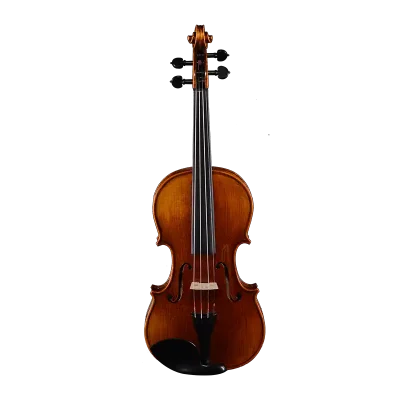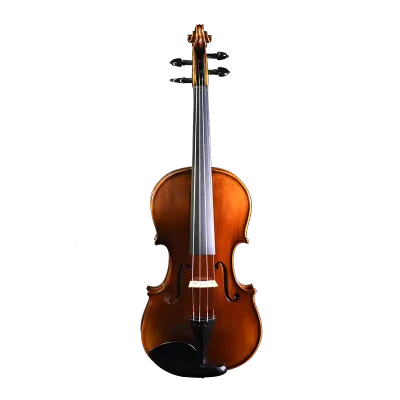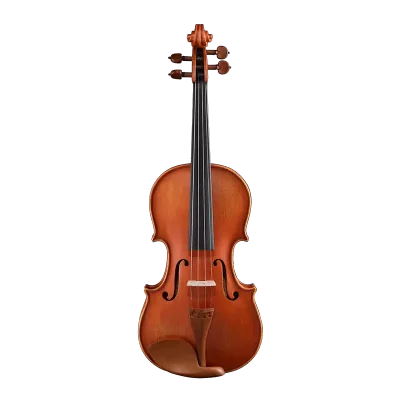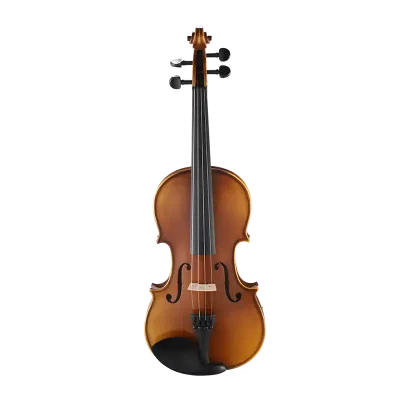
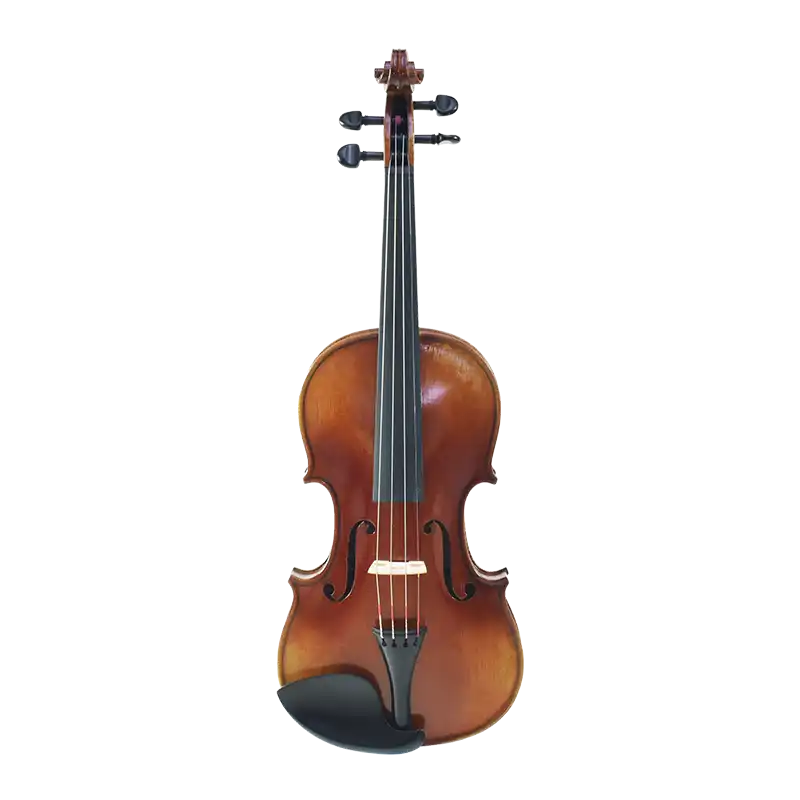
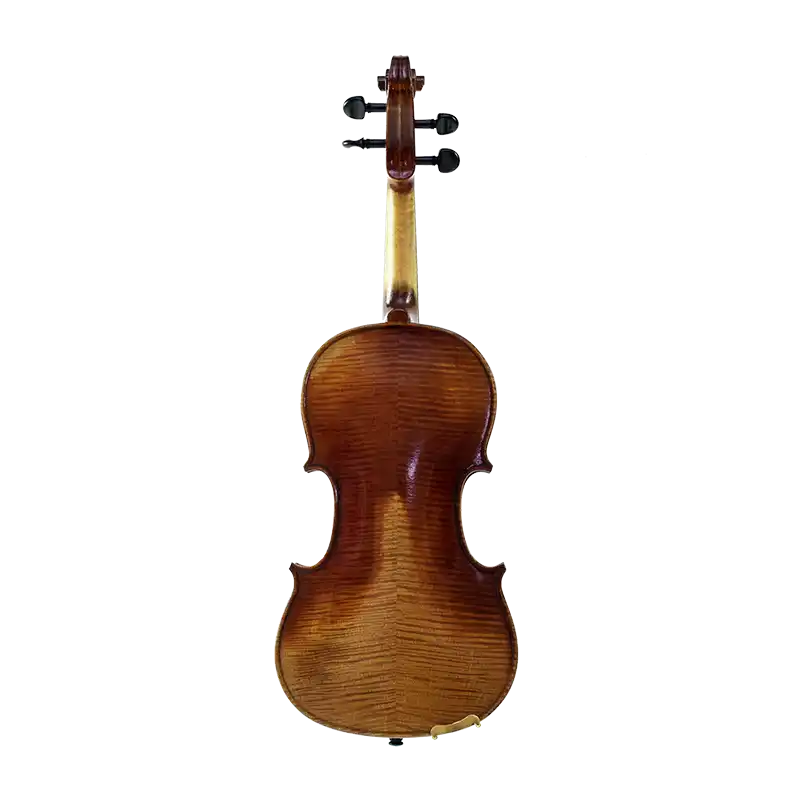
| Violin Size | 7/8, 4/4 (Full Size) |
|---|---|
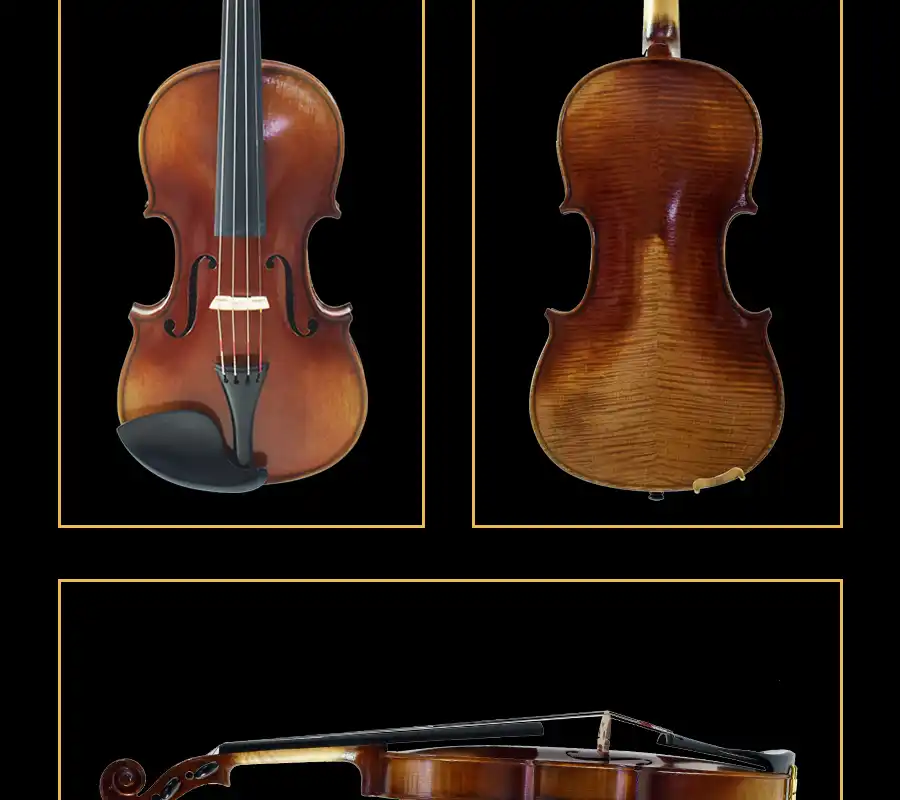
| 面板 Top Plate / Belly | |
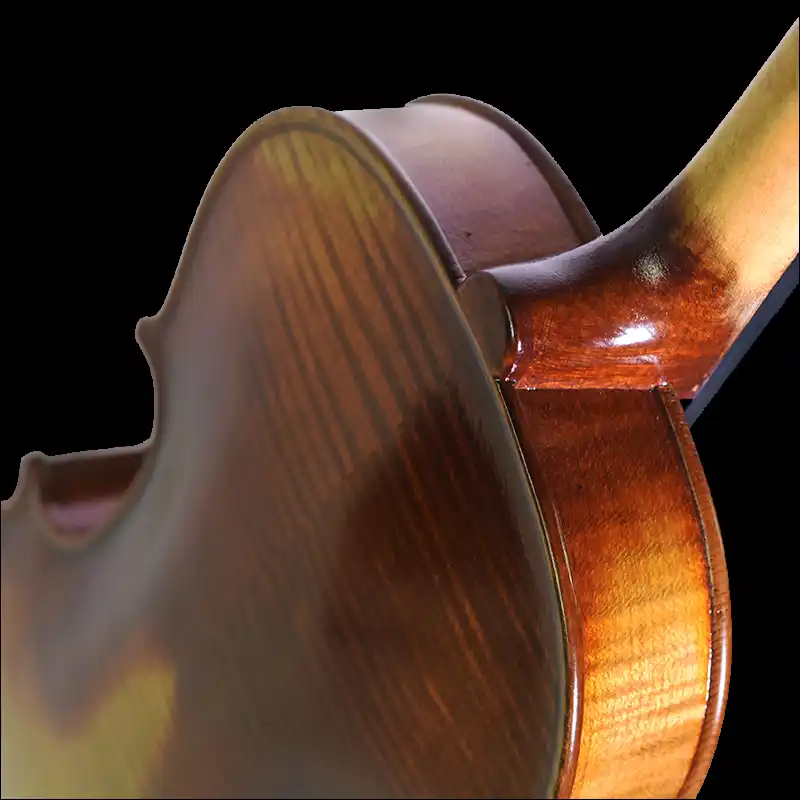
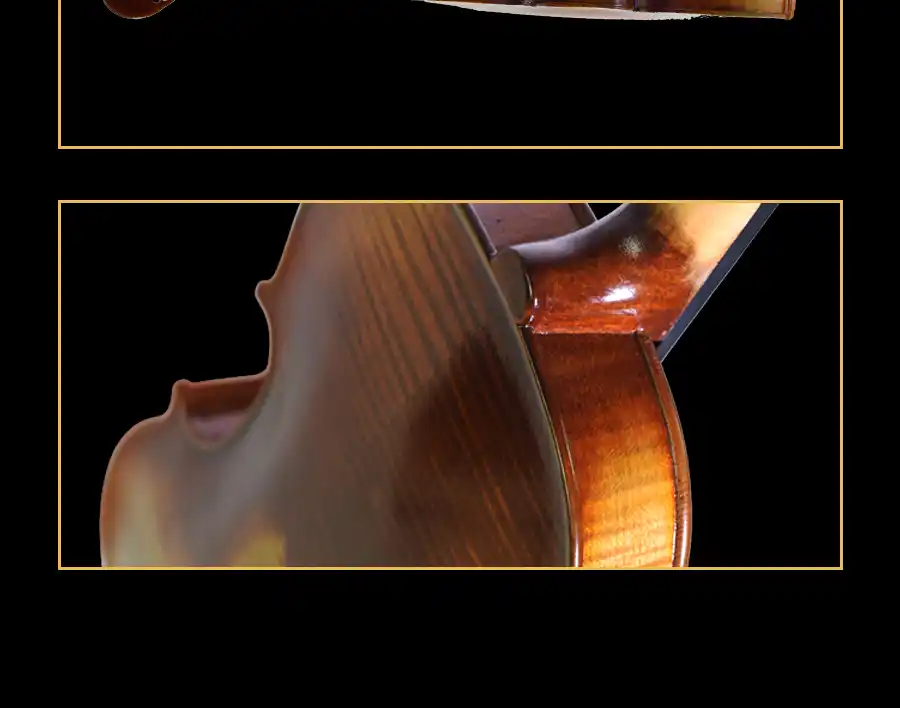
| 背板 & 侧板 Back Plate & Ribs | 欧洲火焰纹枫木/Selected European flamed maple tonewood |
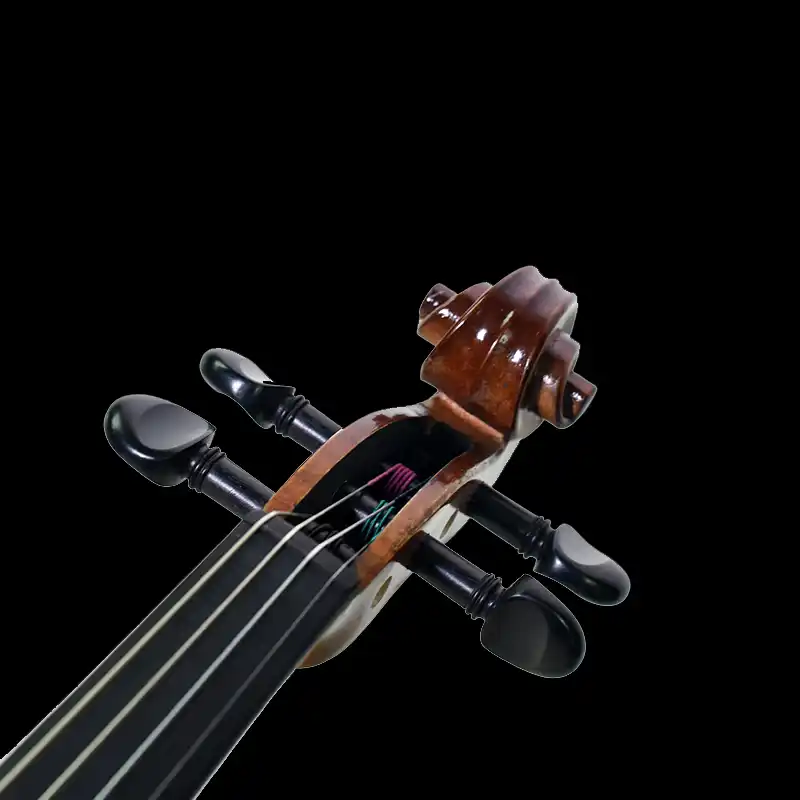
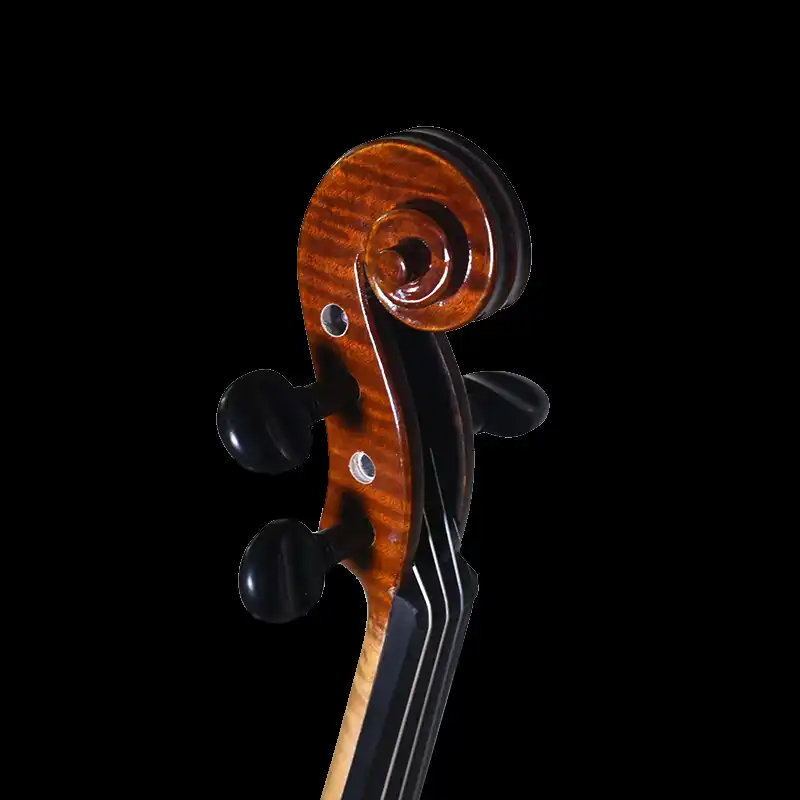
| 琴 头&琴颈Scroll&Neck | |
| 指板 Fingerboard | 优选进口乌木 Premium Imported Ebony |
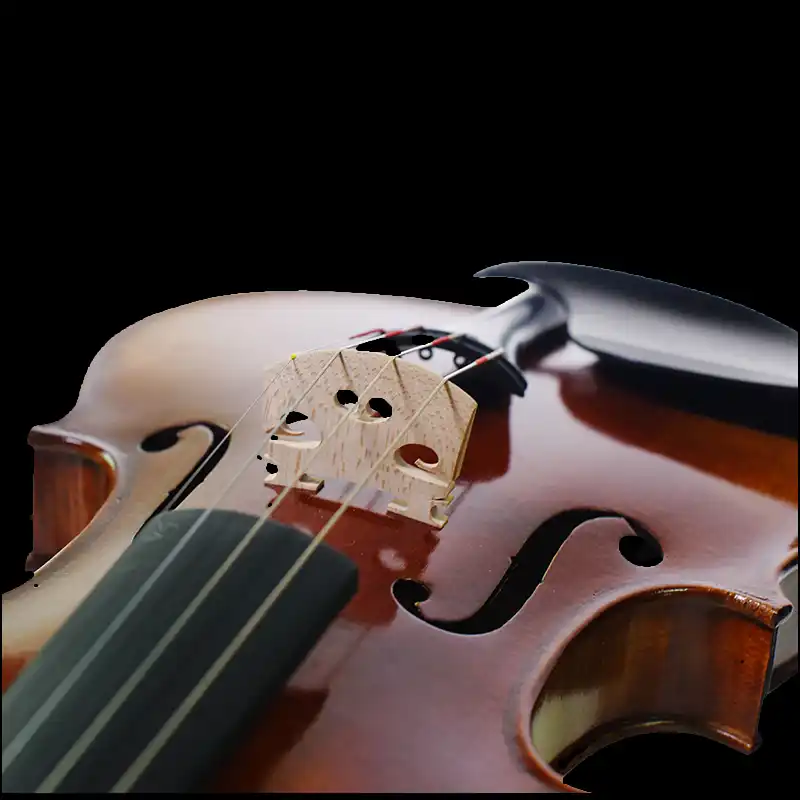
| 琴码 Bridge | 顶级大师琴码 Top Master Bridge |
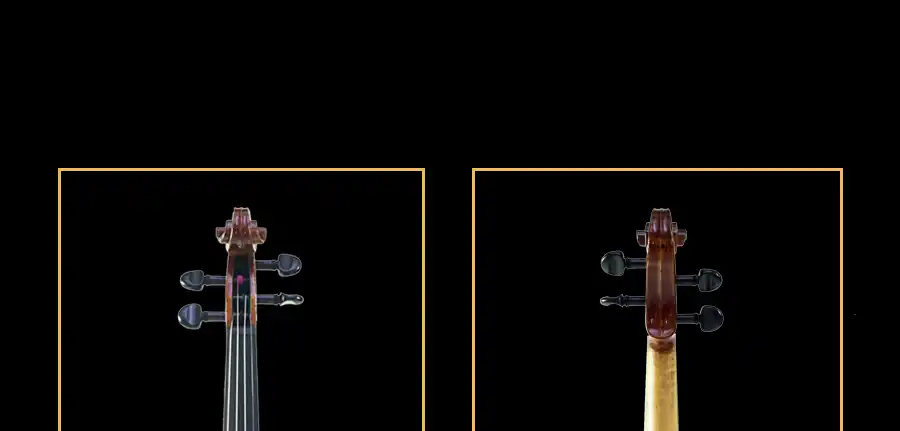
| 配件 Pegs,Tailpiece,Chinrest | 优选进口乌木 Premium Imported Ebony |
| 油漆 Varnish | 传统油性漆 Traditional Oil Varnish |
| 琴盒 Case | 专业方盒 Professional Violin Case |
| 琴弓 Bow | 顶级陈年苏木 Aged Pernambuco |
Professional violin wholesale becomes truly scalable only when a product behaves like a program: the same presentation, the same feel, and the same receiving experience across reorders. LV82 is positioned as a flagship-tier outfit built for high-end channels that cannot afford surprise variance. The foundation is straightforward and professional: a responsive spruce top paired with European maple back and sides, specified to support clarity, definition, and stable structure. What differentiates LV82 is not a “louder claim,” but a tighter delivery logic—premium fittings, a coherent outfit, and packaging that reduces loss and returns in real logistics.
In B2B reality, the first impression is operational: how the unit photographs, how it unboxes, and whether the setup feels consistent across multiple units. LV82 is designed so distributors can list confidently and reorder confidently. The instrument is presented as a complete outfit with imported ebony fittings, an octagonal pernambuco bow, and a premium carbon fiber case. This combination supports a premium user experience without forcing the buyer to “fix the bundle” after arrival. When your line is built around repeatable wholesale SKUs, fewer adjustments after receiving directly translate into lower labor cost and fewer customer complaints.
This model sits within the Professional tier and is meant to be navigated as such. Keep catalog discipline by linking it within the Professional Violins category: Professional Violins. A clear tier structure helps buyers self-select correctly and supports a cleaner ladder strategy (intermediate to professional to flagship). For general customer education on what a violin is and why its build matters, you may reference a neutral overview such as: Britannica: Violin. Used sparingly, this kind of authority link strengthens trust without diluting your product story.
Professional violin wholesale customers often judge quality through the parts that get touched every day: the fingerboard, pegs, tailpiece, and chinrest. LV82 specifies imported ebony fittings to support a premium tactile experience and stable service life under frequent tuning and handling. Ebony is valued for hardness and wear resistance, which helps keep contact surfaces consistent over time. For distributors and retailers, that can reduce after-sales issues related to tuning feel, peg behavior, and visible wear—especially when the instrument is used in studios, ensembles, and performance environments where practice hours accumulate quickly.
The specification is intentionally coherent: imported ebony fingerboard, imported ebony pegs, imported ebony tailpiece, and imported ebony chinrest. A mixed-material fitting set can create inconsistent impressions and unpredictable maintenance needs. A unified fitting set supports a cleaner “flagship” presentation and makes it easier for your sales team to explain value without overpromising. In practical terms, it supports fewer “small complaints” that consume time: minor hardware dissatisfaction, perceived mismatch of parts, and doubts about tier positioning.
LV82 also supports bundling logic. If your wholesale customers routinely add standardized accessories (rosin, shoulder rests, spare parts, cleaning items) to reduce friction for the end user, keep those add-ons centralized through: Accessories. A consistent accessory hub helps importers maintain their own SKUs and reduces procurement fragmentation. For process confidence and industry context, you can reference a recognized organization that promotes the craft and standards around bowed string instruments and bows: Violin Society of America. This supports a professional tone while keeping the page focused on deliverable specifications.
Professional violin wholesale lines are often undermined by mismatched outfits: a strong violin paired with a weak bow or an ordinary case. LV82 avoids that mismatch by bundling an octagonal pernambuco bow and a premium carbon fiber case to reinforce the flagship positioning. Many players associate an octagonal stick with a structured feel in the hand, and pernambuco remains a widely recognized traditional bow material in premium violin contexts. The intent here is not to make absolute performance claims; the intent is to deliver a consistent, premium-level feel that aligns with the instrument tier and reduces the need for immediate upgrades after purchase.
For distributors, this matters because the bow and case directly influence perceived value at unboxing. A premium bow contributes to the first playable impression and helps the end user feel “in control” sooner. That is particularly valuable in high-end retail channels where customers compare outfits side-by-side. LV82 is positioned so that the outfit speaks the same language: spruce and European maple for the core instrument identity, imported ebony fittings for tactile durability, a premium bow for controlled handling, and a carbon fiber case for travel confidence. This alignment makes your product story simpler: the set is professional from top to bottom.
For buyers who need OEM/ODM branding, the most important feature is reorder stability. A flagship model should not drift across batches because your catalog, reviews, and sales training rely on consistent behavior. If you plan private label programs, keep the operational reference point centralized through: OEM/ODM. The objective is to lock the base specification and allow branding layers (logo marks, carton marks, bundle naming) without changing the tier identity.
Professional violin wholesale success is heavily influenced by shipping performance. A premium violin that arrives with cosmetic damage, compromised setup, or inadequate protection can turn into a costly cycle of replacements and disputes. LV82 includes a premium carbon fiber case to reduce transit risk. Carbon fiber cases are commonly valued for rigidity and impact resistance relative to weight, making them well-suited for frequent transport and longer shipping routes. For B2B buyers, the case is part of the product system: it helps preserve “as-photographed” condition, supports premium perception, and reduces hidden costs associated with damage claims.
Packaging and compliance are also important for international deliveries. Buyers may request clarity on export-ready packing and regulated wood packaging material requirements depending on destination. For general guidance related to wood packaging material compliance in U.S.-bound trade lanes, you may reference: USDA APHIS: Wood Packaging Material. This external reference helps explain why packaging standards are risk controls rather than optional details.
For operational clarity on delivery and packing practices, maintain a consistent logistics reference inside your wholesale workflow: Shipping/Delivery/Packaging. LV82 is designed to support stable planning windows, and many programs plan within a 7–15 day shipping schedule depending on order volume, customization scope, and destination coordination. The carbon fiber case, together with export-ready protective packing, helps keep the product experience consistent across those timelines.
Professional violin wholesale buyers do not just purchase instruments—they purchase predictability. LV82 is positioned for customers who need a flagship-tier line that arrives consistent, photographs well, and reorders without friction. That requires QC discipline: appearance consistency, fittings stability, clean presentation targets, and packing readiness. When QC language is shared between supplier and importer, receiving becomes faster and disputes become rarer. Keep QC expectations anchored through a clear internal reference: QC. A stable QC framework also makes OEM/ODM programs easier because branding changes do not disrupt product behavior.
Use-case positioning for LV82 is straightforward: high-end retail channels, performance-focused distributors, and studios that demand a premium outfit and consistent results. The value proposition is operational as much as musical: fewer adjustments after arrival, fewer returns driven by packaging or mismatched accessories, and a clearer flagship narrative in catalogs. The instrument’s spruce-and-European-maple specification supports a clean, professional baseline, while imported ebony fittings, an octagonal pernambuco bow, and a carbon fiber case reinforce premium readiness for daily use and travel.
Finally, LV82 supports clean copywriting and listing management. Because the specification is coherent, you can describe it consistently across marketplaces and keep customer expectations aligned. That alignment is what makes flagship wholesale programs sustainable: the first batch sets the standard, and the next batch matches it.
Q1: Who is this flagship outfit designed for?
A: It is designed for high-end retail channels, performance-focused distributors, and studios that require consistent presentation and stable reorder behavior.
Q2: What tonewoods are specified?
A: A spruce top with European maple back and sides, selected to support a clear and professional baseline response.
Q3: Why specify imported ebony fittings?
A: For durability, stable contact surfaces, and a premium tactile feel that reduces small after-sales complaints in frequent-use environments.
Q4: Why include a carbon fiber case?
A: It improves shipping protection and daily travel safety, helping reduce transit damage, claims, and returns for B2B programs.
Q5: What delivery planning window is typical?
A: Many wholesale programs plan within 7–15 days depending on quantity, customization scope, and destination coordination.