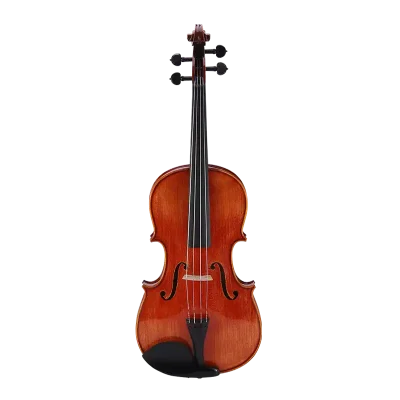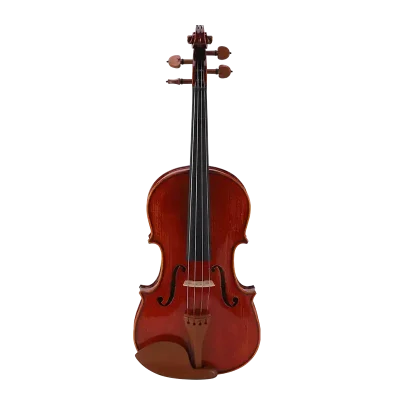

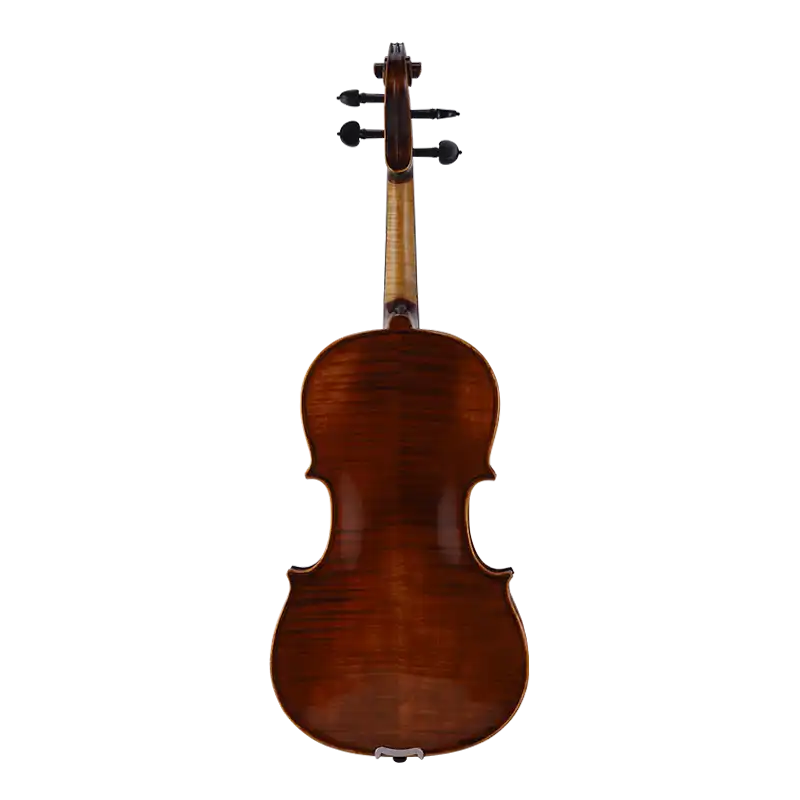
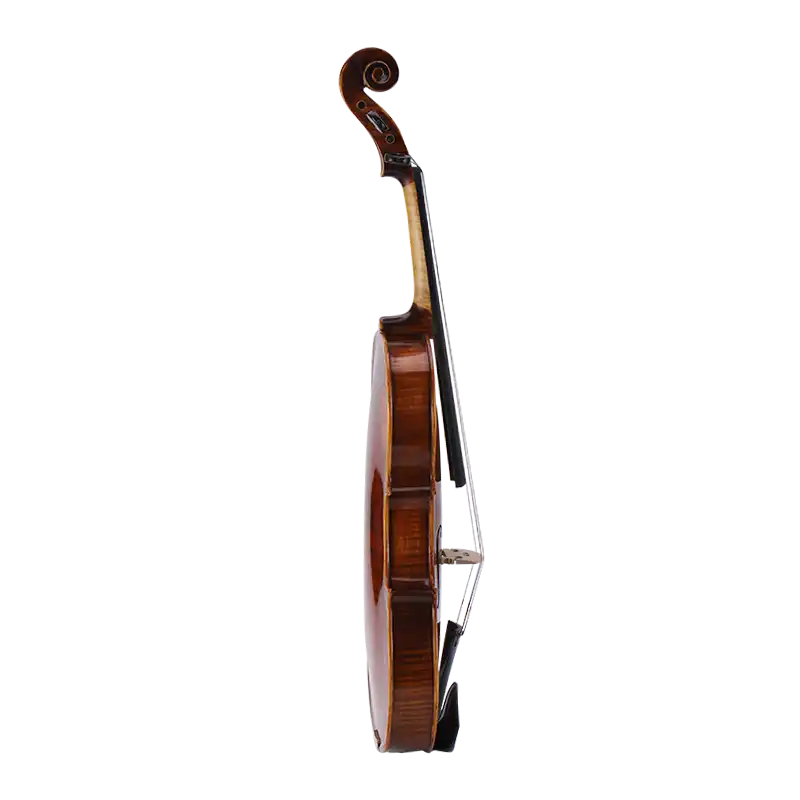

| Violas Size | 15", 15.5", 16", 16.5", 17"+ |
|---|---|
| 面板 Top Plate / Belly | |
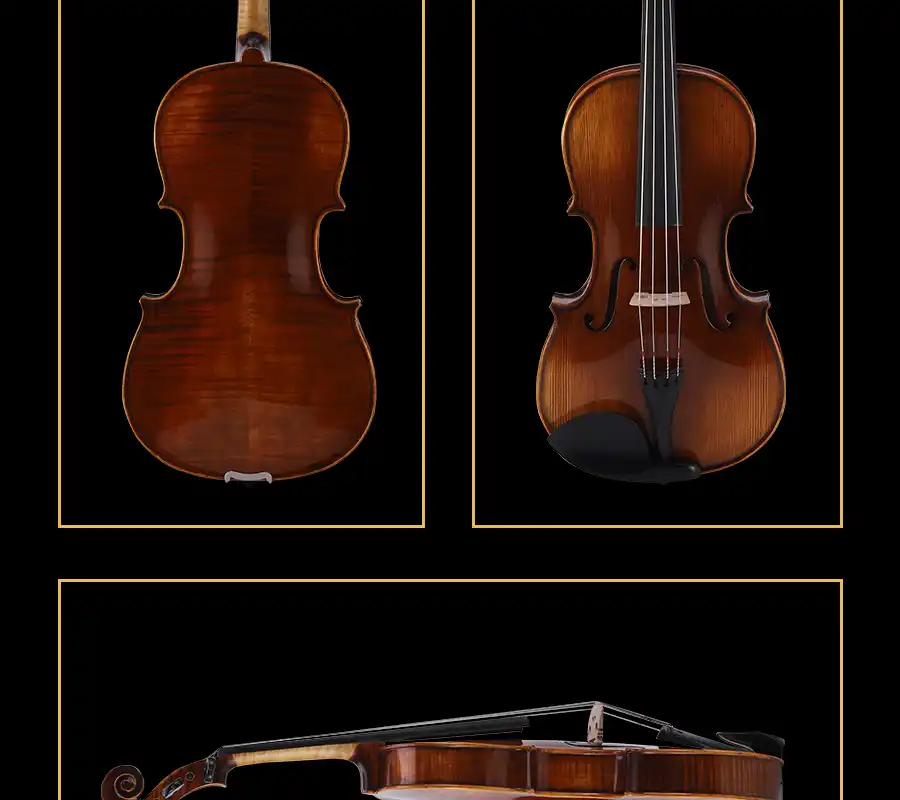
| 背板 & 侧板 Back Plate & Ribs | 欧洲火焰纹枫木/Selected European flamed maple tonewood |
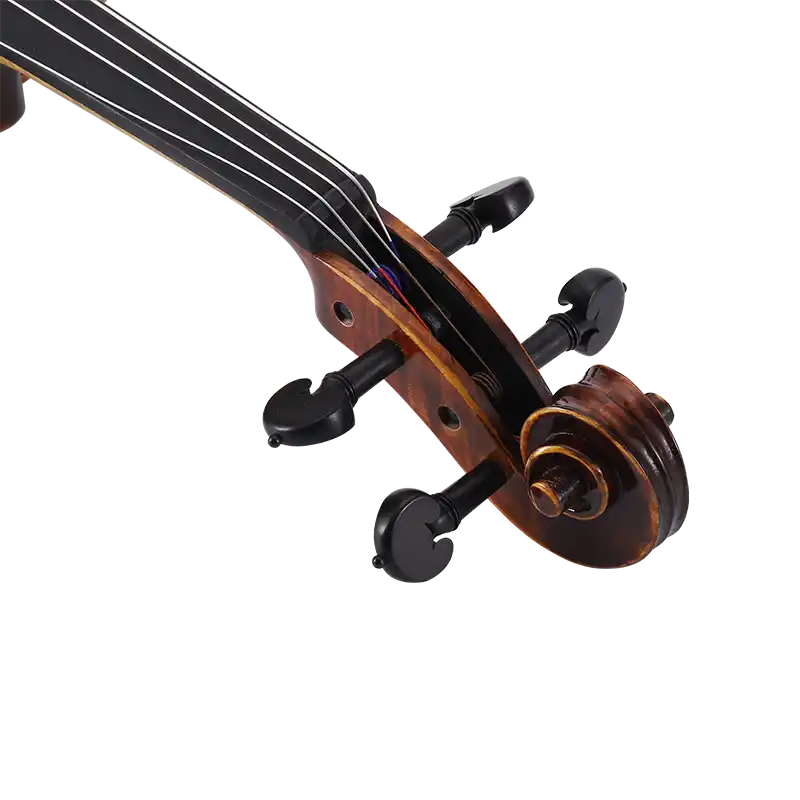
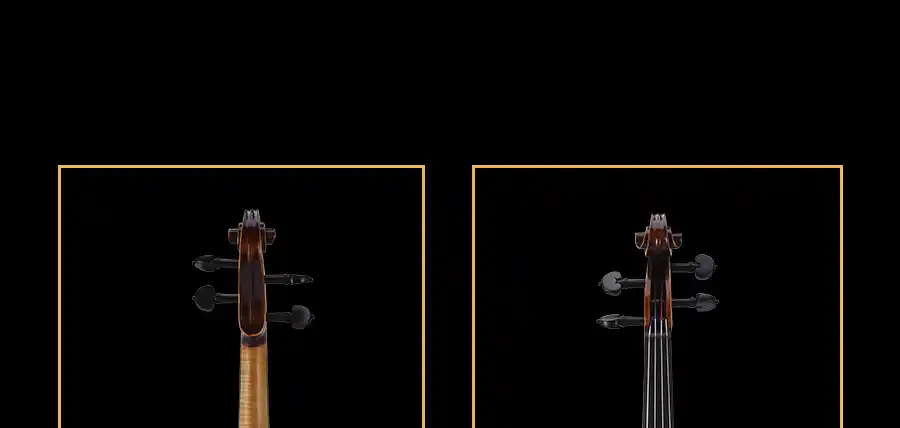
| 琴 头&琴颈Scroll&Neck | |
| 指板 Fingerboard | 乌木 / 黑檀 Ebony |
| 琴码 Bridge | 顶级大师琴码 Top Master Bridge |
| 油漆 Varnish | 传统油性漆 Traditional Oil Varnish |
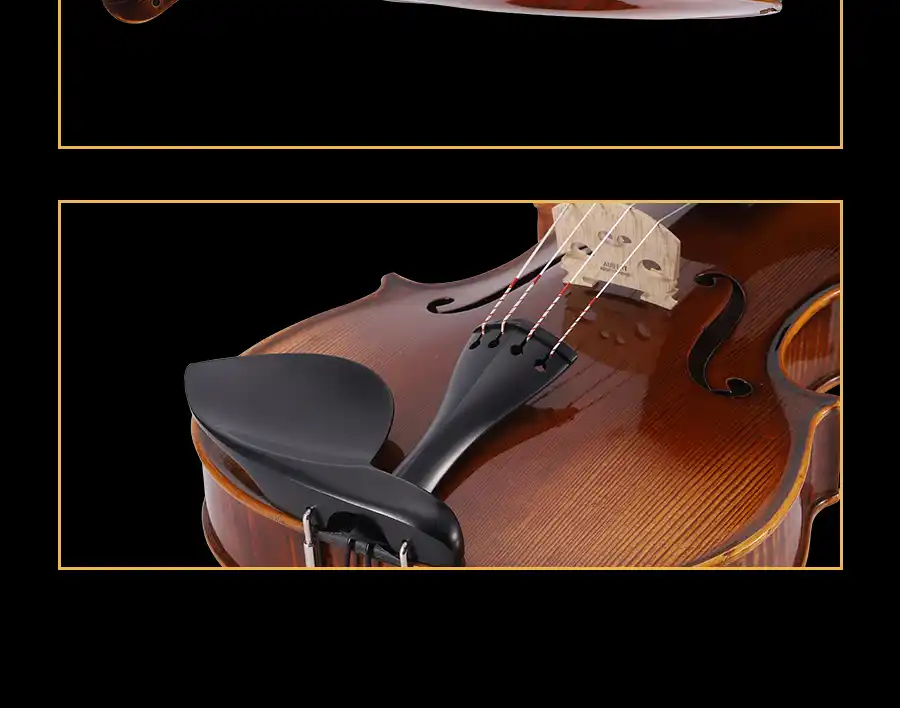
| 配件 Pegs,Tailpiece,Chinrest | 乌木 Ebony |
| 琴盒 Case | 专业方盒 Professional Violin Case |
| 琴弓 Bow | 优质苏木 Pernambuco |
Professional viola wholesale is purchased with a different mindset than entry-level stock: buyers are protecting brand reputation, audition outcomes, and long-term dealer positioning. This high-end viola is built for importers and distributors who need a refined specification—spruce top, European maple back and sides, full ebony fittings, and a premium case—while still requiring the operational reliability that makes reorders predictable. The objective is clear: elevated presentation without introducing inconsistency that forces dealers to reshoot images or renegotiate expectations.
For catalog clarity, position this instrument inside your Professional Violas category so B2B buyers immediately understand the tier. Many dealers build a tier ladder: a baseline offering for new students, a step-up line for advancing players, and a premium line for auditions, ensemble leaders, and demanding studios. You can keep that ladder commercially clean by referencing your Intermediate Violas as the “step-up” path and your Beginner Violas for program entry.
The viola’s voice and role matter at this tier. A professional buyer expects the darker, warmer tenor character that defines the instrument within the violin family. For an authoritative high-level overview of what the viola is (and how it differs from the violin in function and tone), dealers can cite Encyclopaedia Britannica. Educational references like this reduce confusion and align expectations for customers who are stepping up from violin-centric purchasing.
Because premium buyers evaluate risk, your strongest selling language is process language. If you publish how you verify workmanship and consistency, link buyers to QC and workmanship standards so your claims are backed by inspection checkpoints rather than adjectives. Premium procurement teams reward clarity.
Professional viola wholesale buyers often ask about “European maple” because it signals a premium positioning and a more deliberate materials selection strategy. In a dealer context, the value is twofold: the visual identity of maple figure that reads well under consistent lighting, and the structural stability that supports long-term setup integrity for demanding use. European maple back and sides create an elevated merchandising story for high-end lines, particularly when dealers need inventory that looks immediately “professional” in photos and in-person inspection.
At this tier, it is useful to explain materials without overselling. A refined material story should focus on controllable outcomes: stable assembly, consistent cosmetic grade, and predictable response expectations. When importers place professional inventory into multiple channels, the biggest operational pain is batch drift—one shipment looking markedly different from the next. Premium sourcing therefore emphasizes grading discipline and quality checkpoints. If you want to demonstrate how you keep outcomes consistent, anchor the claim to your QC standards and describe it as a repeatable system: selection checks, in-process verification, and final inspection sign-off.
For private-label customers, European maple also supports brand storytelling, because premium tiers benefit from a clearly stated spec hierarchy. If you offer private labeling, carton marks, and packaging inserts, make the path explicit through OEM/ODM services. OEM becomes more convincing when it is presented as a standardized workflow instead of a vague promise.
Ultimately, professional viola wholesale is about confidence. When buyers can describe why the materials and controls make sense, the product becomes easier to sell, easier to reorder, and easier to support over time.
Professional viola wholesale customers need a tonewood explanation that is credible, concise, and aligned with acoustic fundamentals. A spruce top is a classic choice for many soundboard applications because the ideal top wood is often described as light enough to move and stiff enough to transmit vibration efficiently. This matters for advanced players who shape articulation and dynamics more precisely than beginners. A professional product page should present this as a physics-aligned rationale, not a marketing slogan.
A helpful authority reference for buyers who want the basic principle in plain language is Penn State Extension’s explanation of what makes a good tonewood (including the idea that soundboards benefit from wood that is relatively light and stiff). Use it as an educational citation, then bring the point back to your build controls: if the top is selected and handled properly, response becomes more predictable. That predictability is what professional procurement teams are really purchasing.
From a B2B perspective, the most valuable message is “repeatable response.” You can reinforce this by describing how you manage consistency: controlled seasoning, humidity-aware assembly, and setup verification. If the buyer is building premium inventory for auditions or ensemble leadership, they will also ask about stability during seasonal changes. Rather than promising perfection, show operational competence: inspection checkpoints, recorded QC steps, and consistent packing standards.
If your client base includes studios and orchestral programs, you can position this professional tier as a logical destination after players outgrow intermediate inventory. Linking your tier ladder makes the procurement story simple: start with Intermediate Violas, step up into professional when demand becomes performance-driven. This supports upsell without forcing a hard sell.
Professional viola wholesale often succeeds or fails on first inspection. Full ebony fittings—ebony fingerboard, ebony pegs, ebony tailpiece, and ebony chin rest—create a classic, unified professional look that translates across regions and retail styles. For importers, that uniformity matters because it supports standardized photography, consistent listings, and fewer “appearance variance” questions from dealer networks. Ebony fittings also deliver a clean contrast against European maple figure, which helps premium inventory look coherent and intentional.
In practical terms, a professional buyer wants durability and predictable presentation. Advanced students and professional users practice more, travel more, and subject the instrument to greater routine stress than entry-level customers. A classic ebony fittings set supports that daily reality while keeping the visual identity firmly in the premium category. On product pages, the best language is commercial language: reduced early-stage complaints, stable presentation over time, and easier merchandising because the instrument “reads professional” immediately.
If your dealers build premium packages, make the accessory pathway obvious without distracting from the core instrument. A natural, non-intrusive next step is your Accessories catalog for bows, protective add-ons, and program components. And for private-label lines, keep customization disciplined through OEM services. Professional buyers like systems; systems lead to reorders.
When you present ebony fittings as a tool for consistent premium positioning, professional viola wholesale buyers understand the value immediately.
Professional viola wholesale is judged not only by the instrument, but by how safely it arrives and how easy it is to reorder. A premium case supports higher-end retail presentation and offers stronger protection during cross-border transit. For importers, case quality is part of risk management: it reduces damage rates, improves receiving efficiency, and elevates the perceived value the moment the carton is opened.
Logistics transparency shortens the buying cycle. If your website publishes packing methods, delivery expectations, and export guidance, reference your Shipping/Delivery/Packaging page directly so procurement teams can validate operational fit without waiting for email replies. For professional-tier orders, buyers often require clarity on carton reinforcement, internal protection, and documentation alignment. Present these as standard workflow elements, not special favors.
Sizing is another high-stakes topic for professional purchases, because “nominally similar” violas can feel very different. A reputable educational reference helps dealers communicate fit to advanced customers. The Strad discusses why viola size and proportions matter, which can reduce return risk for premium orders and improve buyer confidence.
For dealers who require branding continuity, reinforce that OEM is available and structured: OEM/ODM services. For those who demand repeatability proof, reinforce your inspection foundation: QC standards. This combination makes professional viola wholesale procurement feel controlled rather than uncertain.
It is designed for importers, dealers, and studios sourcing premium inventory for advanced players, auditions, and high-expectation programs.
European maple supports a premium visual identity and a structured materials hierarchy that helps dealers position high-end inventory consistently.
Full ebony fittings create a classic professional presentation that photographs cleanly, supports consistent SKU listings, and improves perceived value.
Yes. OEM labeling, carton marks, and packaging inserts can be configured, and QC documentation can be provided based on your order plan.
Yes. Premium-case protection plus export-oriented packing standards help reduce transit risk and simplify receiving.
Delivery expectations, packing approach, and export guidance are summarized on the Shipping/Delivery/Packaging page.