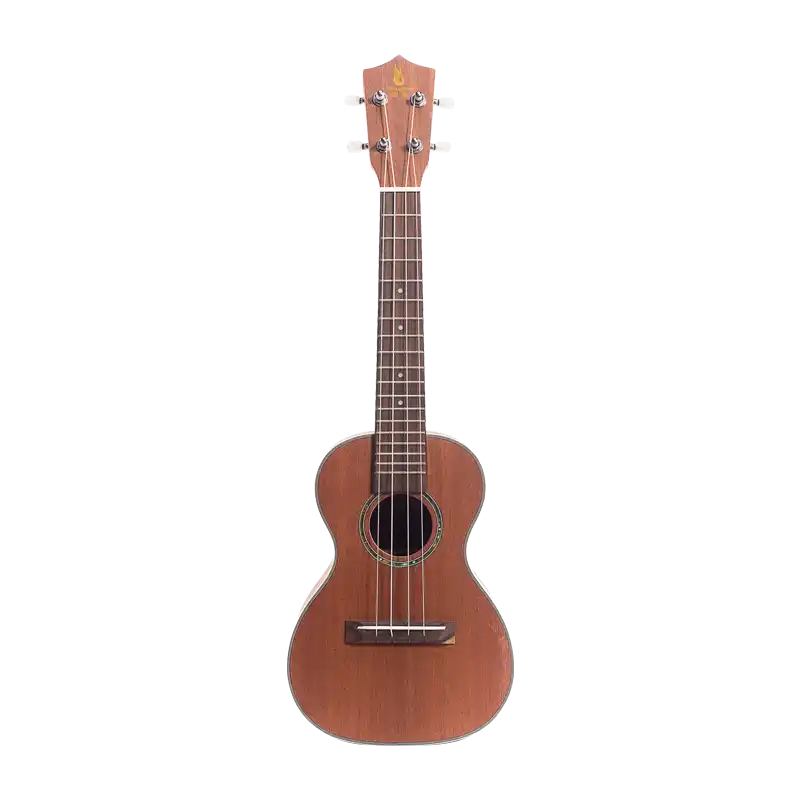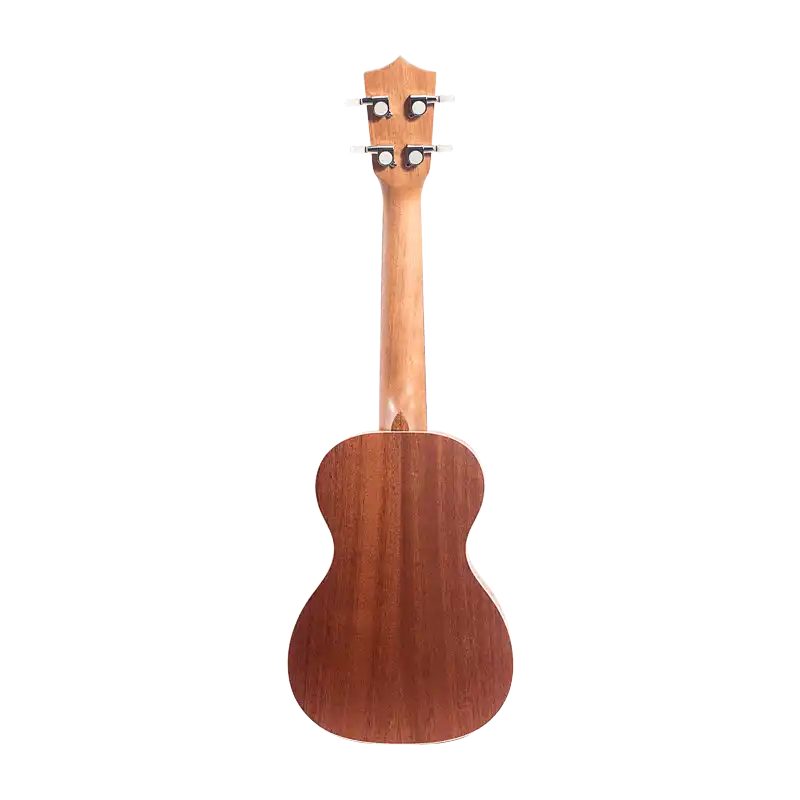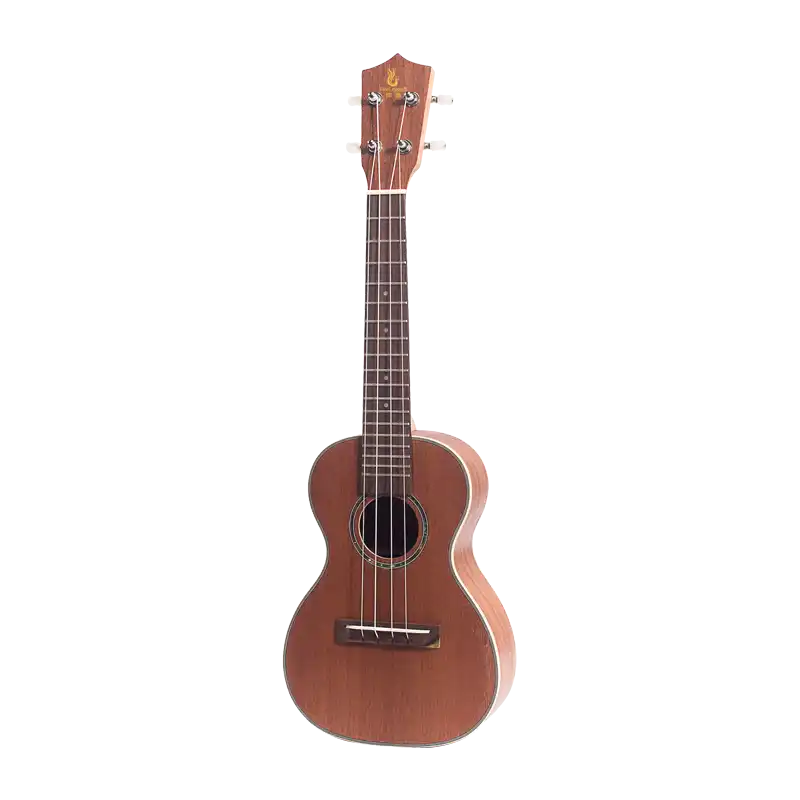


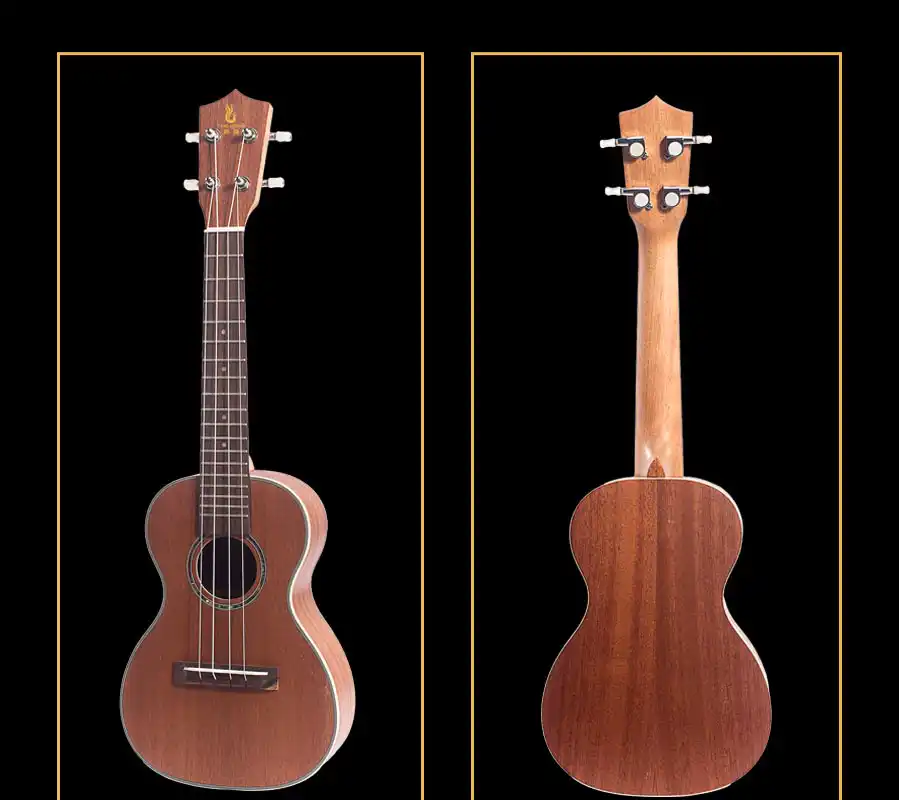

A Mahogany Ukulele is often chosen for one simple reason: it makes playing feel welcoming. This model is built to support steady practice, casual performance, and dependable B2B inventory because it focuses on durability and repeatable tone. The body uses laminated mahogany for the top, back, and sides, a construction style widely favored for stability in changing climates and frequent handling. For wholesalers, schools, and retailers, that stability matters because it reduces unexpected issues and helps each unit behave consistently across shipments.
Rosewood is used for both the fingerboard and the bridge. The rosewood fingerboard provides a smooth playing surface that feels familiar to many string players, while the rosewood bridge complements the warm, forgiving tonal character associated with mahogany. Together, the materials create a comfortable platform for chord transitions, rhythm patterns, and singing accompaniment. If you are building a category page for broad browsing, this ukulele fits naturally within an “all models” lineup; buyers often compare body materials and durability first, then decide on aesthetic and setup preference.
For customers who want to build ready-to-sell sets, consider bundling practical add-ons from our Accessories collection—cases, straps, spare strings, and care items that reduce friction for first-time players. A well-prepared kit improves conversion and reduces after-sales questions.
For credible background on the ukulele’s role and common use cases, Encyclopaedia Britannica provides a reliable overview: https://www.britannica.com/art/ukulele. This Mahogany Ukulele is designed to feel straightforward, repeatable, and friendly—exactly what most buyers want when stocking entry-to-midrange ukulele inventory.
A Mahogany Ukulele built with laminated mahogany body panels is a practical choice for environments where the instrument will be handled frequently—classrooms, beginner practice routines, retail demo walls, and travel situations. Laminated construction is valued because it tends to be more resistant to humidity swings and minor impacts compared with more delicate builds. This does not replace good care, but it does reduce the chance that a small handling mistake becomes a costly repair.
Tonally, mahogany is appreciated for warmth and a rounded midrange that supports singing and rhythmic strumming. Many first-time players feel encouraged when the instrument sounds pleasant without requiring perfect technique. That “forgiving response” helps beginners stick with practice and keeps casual players coming back. Rosewood on the fingerboard contributes a smooth touch and reliable feel under the fingertips, while the rosewood bridge supports a consistent, stable anchor point for the strings.
If you need a trustworthy reference for musical instrument materials and broader cultural context, institutional resources like the Smithsonian can be helpful for general background: https://www.si.edu/. While not a specification manual, it provides credible context for why certain woods and instrument forms have become widely adopted.
For wholesalers who need repeatable products across multiple batches, consistency is the real value. Laminated mahogany construction supports predictable inventory planning and fewer surprises in handling. This Mahogany Ukulele is positioned as a dependable “workhorse” model that buyers can reorder with confidence.
A Mahogany Ukulele becomes a stronger product when the supply chain is clear and the specifications remain consistent. As a factory-direct offering, this model is built for B2B partners who prioritize repeatability: the same material set, the same practical positioning, and a predictable customer experience. That is especially useful for retailers and distributors who want a stable, reorder-friendly ukulele for beginner-to-casual markets without constantly changing components.
If your market requires private labeling, customized packaging, or standardized kits for schools and retail channels, our OEM/ODM services can support those needs. OEM work becomes easier when the base model is consistent—meaning your branding and packaging can scale without turning every order into a new engineering project.
Many music education programs value simple, durable instruments that can survive frequent transport and handling. Organizations like NAfME provide widely respected context around music education environments: https://nafme.org/. The point is practical: the more durable and consistent the instrument, the more smoothly a classroom or program can run.
This Mahogany Ukulele is designed to be easy to list, easy to explain, and easy to reorder—an efficient product for B2B catalogs where reliability and scalability matter as much as tone.
A Mahogany Ukulele sold through B2B channels must protect your reputation as much as it supports the player. The practical way to do that is with disciplined quality control: consistent material checks, functional inspection, and a process that aims to reduce avoidable defects. For distributors and retailers, fewer QC problems means fewer returns, fewer customer complaints, and less time spent troubleshooting issues that should never reach the end user.
You can review our approach to functional checks and consistency standards on the QC & Craftsmanship page. When QC is treated as a system rather than a marketing phrase, the outcome is measurable: more consistent playability, better appearance consistency, and fewer surprises after delivery.
Imagine a school program receiving a shipment of ukuleles. If each instrument feels similar, teachers can focus on teaching rather than sorting “good” units from “problem” units. If a retailer can trust reorder consistency, they can scale advertising and stocking without fear of quality drift. This is why a dependable Mahogany Ukulele matters in B2B contexts: the instrument supports not only the player’s experience, but the business workflow behind it.
The goal is straightforward: keep the product consistent, keep the customer experience stable, and protect your channel with reliable QC discipline.
A Mahogany Ukulele should arrive ready to sell and ready to play. For B2B partners, logistics quality is part of product quality because shipping damage creates direct cost and reputation risk. We therefore prioritize export-ready packing, protective materials, and handling clarity suitable for international transport. Typical delivery timeliness is 7–15 days depending on destination, routing, and customs processing.
You can review our packaging and delivery approach on the Shipping / Delivery / Packaging page. The focus is on minimizing damage and making timelines easier to plan for importers, wholesalers, and retailers.
For sellers creating bundles, our Accessories collection helps you add cases, straps, spare strings, and care tools to increase order value and reduce post-sale friction. If you need private-label support to match your market positioning, our OEM/ODM services provide a factory-direct path to consistent packaging and branding.
This Mahogany Ukulele is positioned as a durable, reorder-friendly option for B2B channels—warm tone, stable laminated construction, and a supply chain built to support consistent QC and dependable delivery.
Q1: Who is this Mahogany Ukulele best for?
A: It is ideal for beginners, schools, casual singers, and B2B buyers who need a durable, consistent ukulele for resale.
Q2: Why choose laminated mahogany construction?
A: Laminated mahogany is valued for stability and durability, helping the instrument handle frequent use and climate changes.
Q3: What is the benefit of rosewood fingerboard and bridge?
A: Rosewood provides a smooth feel and reliable durability at key contact points, supporting comfortable practice and consistent setup.
Q4: Can I bundle accessories or request private labeling?
A: Yes. You can bundle items from our Accessories category, and OEM/ODM services are available for branding and packaging needs.
Q5: How long does shipping typically take?
A: Typical delivery is 7–15 days depending on destination, routing, and customs procedures, with export-ready packing prioritized.