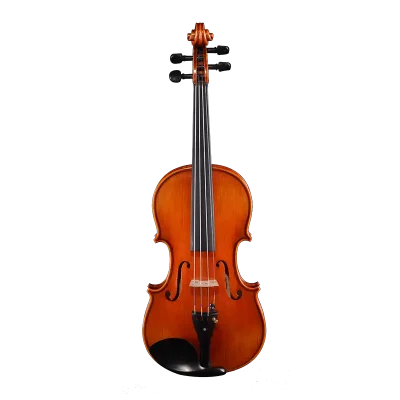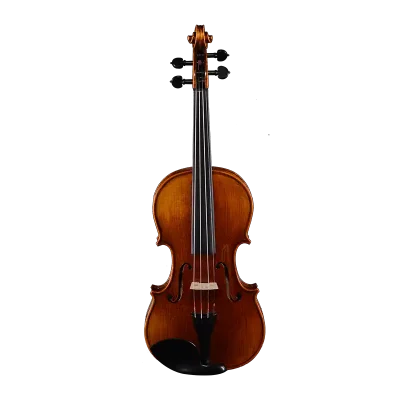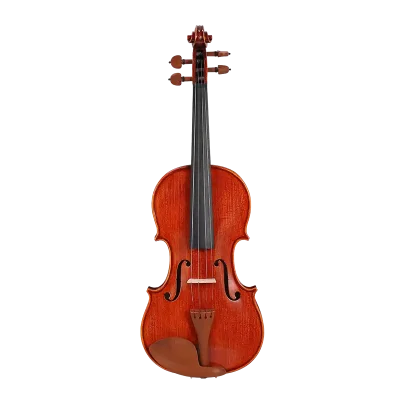
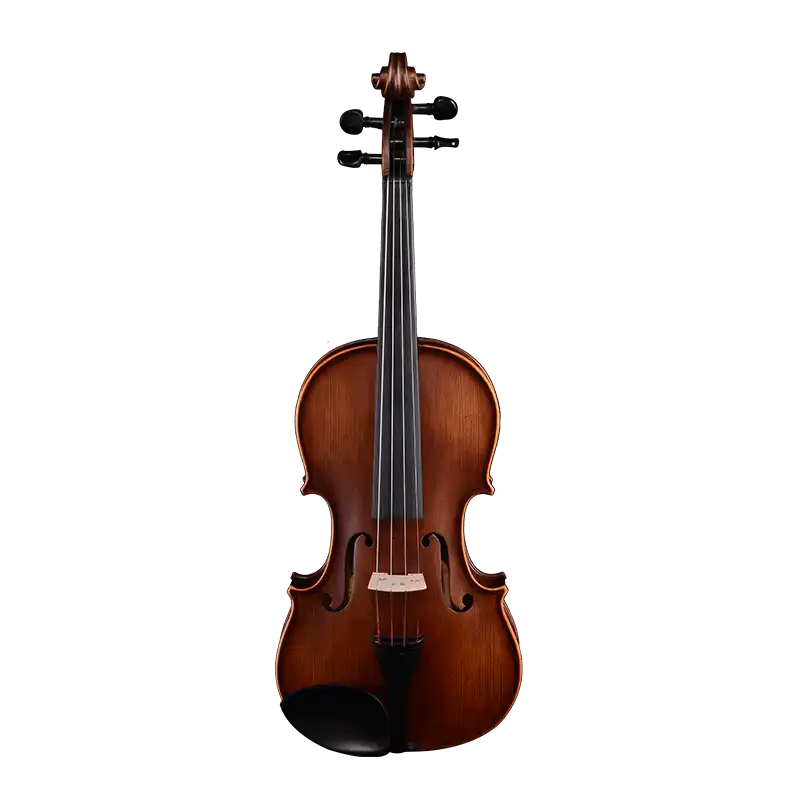
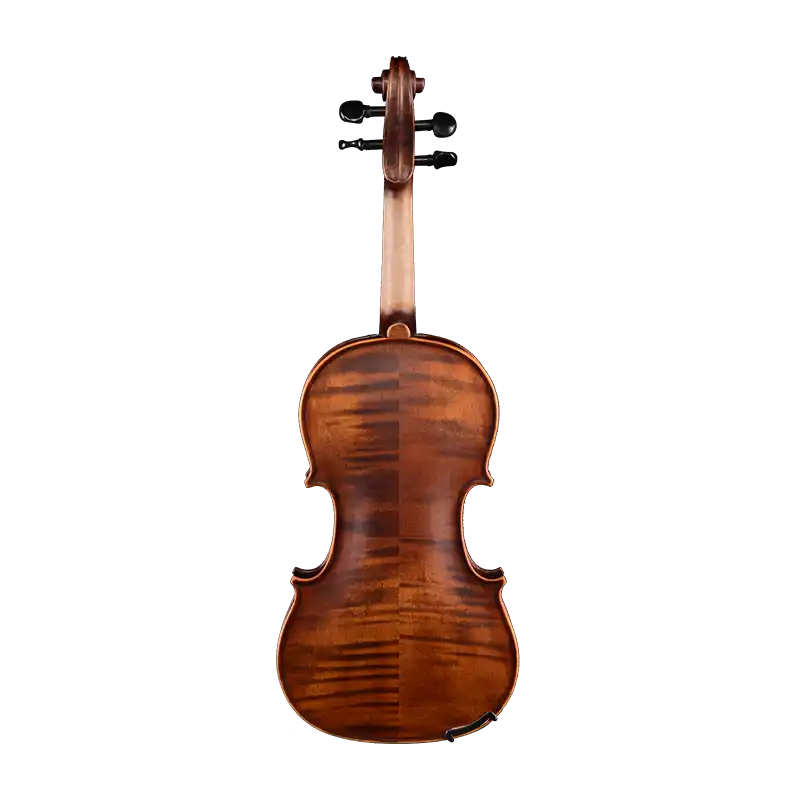
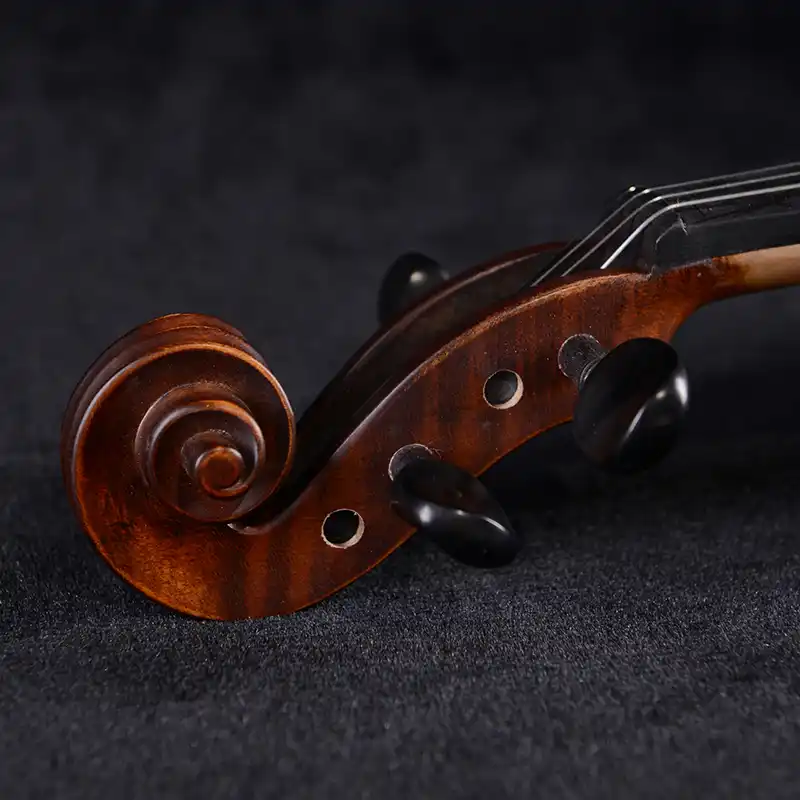
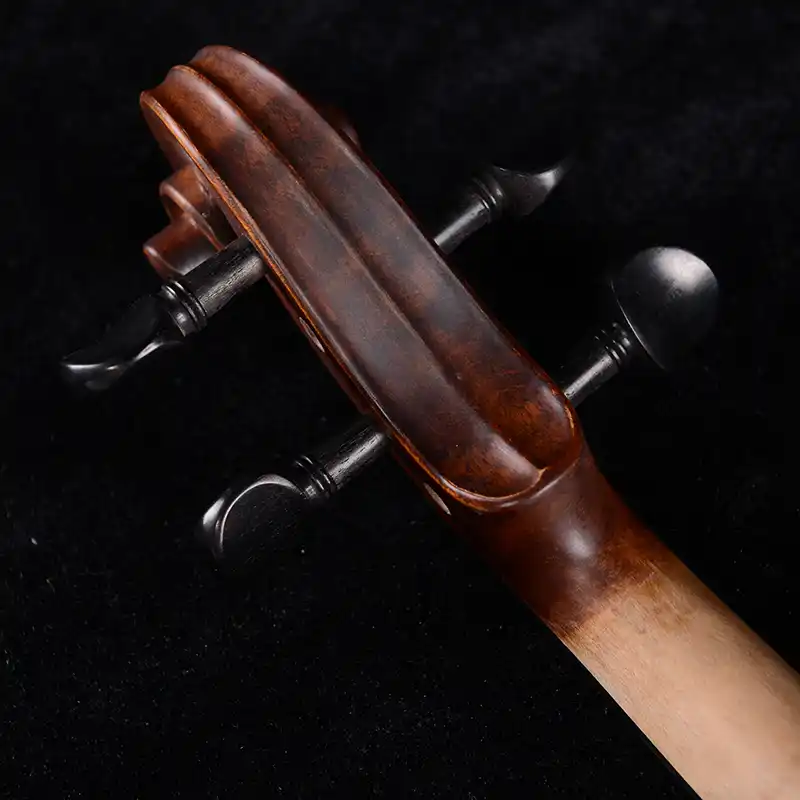

| 面板 Top Plate / Belly | |
|---|---|
| 背板 & 侧板 Back Plate & Ribs | 较少火焰纹枫木 Slightly Flamed Maple |
| 琴 头&琴颈Scroll&Neck | |
| 指板 Fingerboard | 乌木 / 黑檀 Ebony |
| 琴码 Bridge | 法国枫木 French/Belgian Maple |
| 配件 Pegs,Tailpiece,Chinrest | 乌木 Ebony |
| 油漆 Varnish | 混合清漆 Hybrid Varnish |
| 琴盒 Case | 方盒Oblong Case |
| 琴弓 Bow | 精选巴西木 Selected Brazilwood |
| Violin Size | 1/16 | 1/8 | 1/4 | 1/2 | 3/4 | 7/8 | 4/4 (Full Size) |

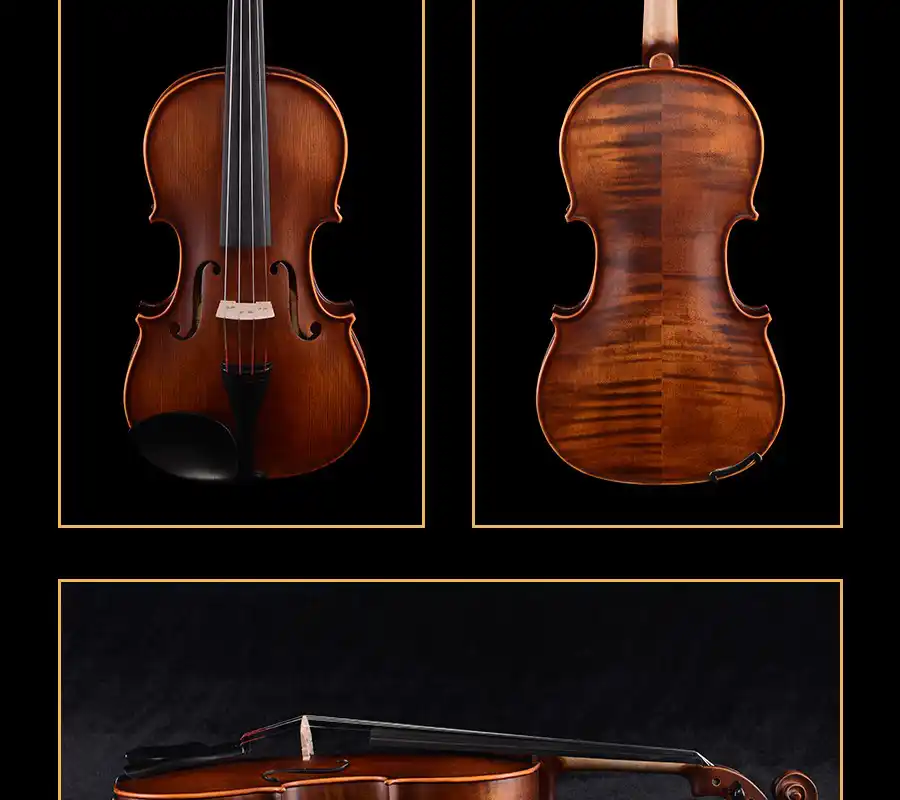
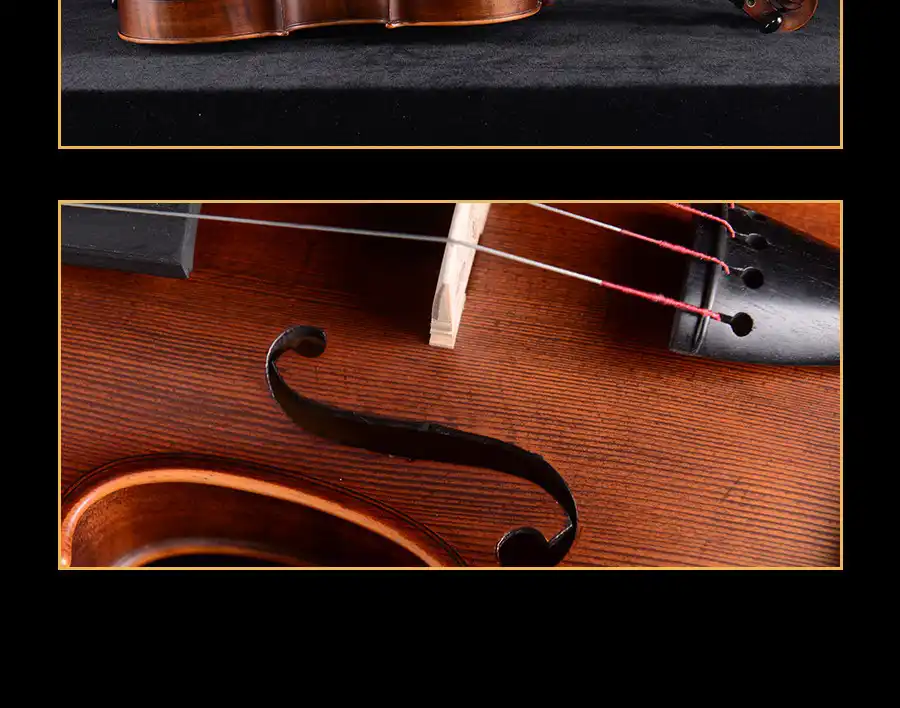
Intermediate violin outfit wholesale purchasing becomes difficult the moment you move beyond entry-level: buyers want a visible “step up” that feels premium, yet they also need batches to look and perform consistently. LV12 is designed for that exact middle ground. The spruce top supports a clear, responsive start, while the flamed maple back and sides deliver a higher-end visual impression that photographs well for catalog use. Just as importantly, LV12 is engineered around repeatable setup targets so distributors, importers, and multi-store retailers can reorder without re-auditing every shipment.
If you are building a structured catalog ladder, place LV12 inside your intermediate violins category so customers understand the upgrade path at a glance. This improves conversion in B2B contexts where buyers compare “good / better / best” quickly and need confidence that your offering is organized. LV12 supports that clarity by pairing an intermediate-ready body spec with durable, professional-feeling fittings and export-friendly consistency.
For buyers who educate end customers, it helps to anchor the instrument family with a neutral reference, then focus on purchasing outcomes. A concise overview such as Encyclopaedia Britannica’s violin entry can provide context about the instrument’s role and construction, while your product page can stay practical: predictable appearance, stable playability, and replenishment-friendly batch control. The goal is not to claim “concert-master rarity,” but to deliver an intermediate upgrade that is easy to sell, easy to restock, and easy to standardize.
LV12 also suits program purchasing—music schools and training centers—where the cost of inconsistency is high. If one batch arrives brighter, another darker, or setup varies widely, your support requests rise and returns increase. LV12 reduces that operational friction by emphasizing repeatable finishing and inspection logic that scales.
Intermediate violin outfit wholesale buyers often discover that “materials” matter most at the touchpoints: what the player feels under the left hand, what the shop sees during setup, and what the customer notices in photos. LV12 combines a spruce top with flamed maple back and sides to present a clear upgrade in both response and appearance. The spruce top supports articulation and quick speaking, while the maple structure contributes stability and visual character that reads as premium in catalog images and showroom lighting.
LV12 is configured with an ebony fingerboard and a full ebony fittings set (pegs, tailpiece, chinrest). For many intermediate customers, ebony communicates seriousness: it looks clean, feels dense, and wears well under frequent practice. From a B2B standpoint, ebony is a reliability choice because it helps reduce complaints about “cheap-feeling parts” and can improve long-term customer satisfaction. If you also bundle popular add-ons—rosin, shoulder rest, spare strings—place them in your accessories flow via Accessories so wholesale buyers can standardize a complete package without sourcing from multiple vendors.
When discussing craftsmanship and setup expectations, referencing a maker-focused organization can help establish credibility without overpromising. The Violin Society of America is widely recognized in the violin-making community. Use it as a soft authority signal while keeping your language grounded: this is an intermediate product engineered for consistent setup and dependable delivery, not a one-off art instrument. The result is messaging that feels honest, professional, and sales-ready for B2B channels.
Finally, LV12’s outfit format supports retail and distribution efficiency. A complete outfit reduces purchase hesitation for advancing students: violin + bow + case arrives in one SKU, one carton, one receiving process. That operational simplicity is often the hidden driver of better sell-through.
Intermediate violin outfit wholesale success is rarely determined by one perfect sample; it is determined by how many units land “close enough to ideal” that your channel can sell them confidently. LV12 is positioned around repeatable setup targets that reduce variability across batches. In practical terms, this means your receiving team spends less time diagnosing small inconsistencies, and your customer support inbox sees fewer “buzzing / slipping / unstable tuning” claims that often spike during the first week of ownership.
When you scale an intermediate offering, align expectations early by pointing buyers to your inspection logic. A dedicated overview of process builds trust because it shows you control what you ship. Reference your factory’s documentation through QC process so importers and distributors can understand how playability, appearance, and packing readiness are verified before export. This is particularly useful for multi-channel sellers where returns are expensive and reputation spreads quickly through reviews and teacher recommendations.
For deeper editorial credibility around professional violin market expectations, you can cite an industry publication such as The Strad as a general reference point for the violin world. Again, keep the narrative practical: your product page should translate “quality” into measurable outcomes—stable tuning behavior, consistent finish tone, and reduced receiving friction—rather than vague claims.
LV12 is also designed to support repeat orders. If your business model depends on replenishment, you want a supplier who can match prior presentation closely. LV12’s purpose is to behave like a repeatable SKU, not a lottery ticket: consistent visuals, consistent feel, consistent support documentation.
Intermediate violin outfit wholesale orders are won or lost not only on the instrument, but on logistics reliability. LV12 is packaged for export routines so distributors can plan arrivals, allocate inventory, and schedule campaigns without constant exceptions. A consistent outfit configuration simplifies carton labeling and receiving workflows, which matters when you ship to multiple stores or fulfill online orders across regions.
To set buyer expectations clearly, connect your product page to your logistics standards and packaging approach through Shipping/Delivery/Packaging. This reduces pre-sale friction because buyers see that delivery and protection are part of the system, not an afterthought. For many B2B customers, the real cost is not freight—it is delay, damage claims, and rework. A clean, repeatable packing method reduces those costs.
LV12’s delivery planning is built around practical timelines (typically 7–15 days, depending on order size and destination handling). Communicate that as a planning window rather than a promise of overnight speed. B2B buyers value predictable scheduling more than aggressive claims. If a distributor can plan inventory flow and promotions confidently, they reorder more often and build you into their standard procurement cycle.
Also consider offering a small range of standardized packing options rather than infinite customization. Standardization lowers error rates and helps you scale. When buyers ask for customization, move the conversation into a controlled pathway rather than ad-hoc changes that create inconsistency in future batches.
Intermediate violin outfit wholesale buyers often want differentiation—private labels, upgraded cases, specific accessories—while still demanding that the core product remains consistent over time. LV12 supports a controlled customization strategy: you keep the main specification stable (spruce + flamed maple, ebony touchpoints, outfit format), then customize the parts that help branding and channel fit, such as packaging, logo placement, and accessory combinations.
To keep customization scalable, route requests through a standardized service layer like OEM/ODM services. This helps you protect repeatability while offering the flexibility B2B customers need. The best OEM outcomes come from defining what can change (branding, bundle configuration, packaging) and what should not change (core construction and baseline setup targets) so the SKU remains replenishment-friendly.
From a product story perspective, LV12 is not positioned as a “museum piece.” It is positioned as an intermediate tool that advances students can trust daily. Tell a usage story that matches reality: teachers want students to focus on practice, not constant tuning issues; distributors want fewer returns; retailers want a premium look that sells in photos and in-store. This alignment between narrative and product behavior is what makes the page persuasive for professional buyers.
If your catalog includes multiple intermediate tiers, present LV12 as the stable “center” option: visually upgraded, ebony-equipped, and batch-consistent. That makes it easier for buyers to upsell from entry-level without jumping straight to high-risk boutique claims.