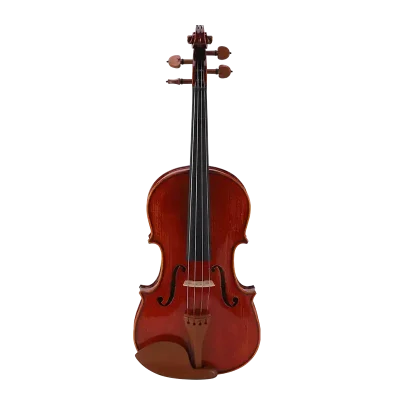
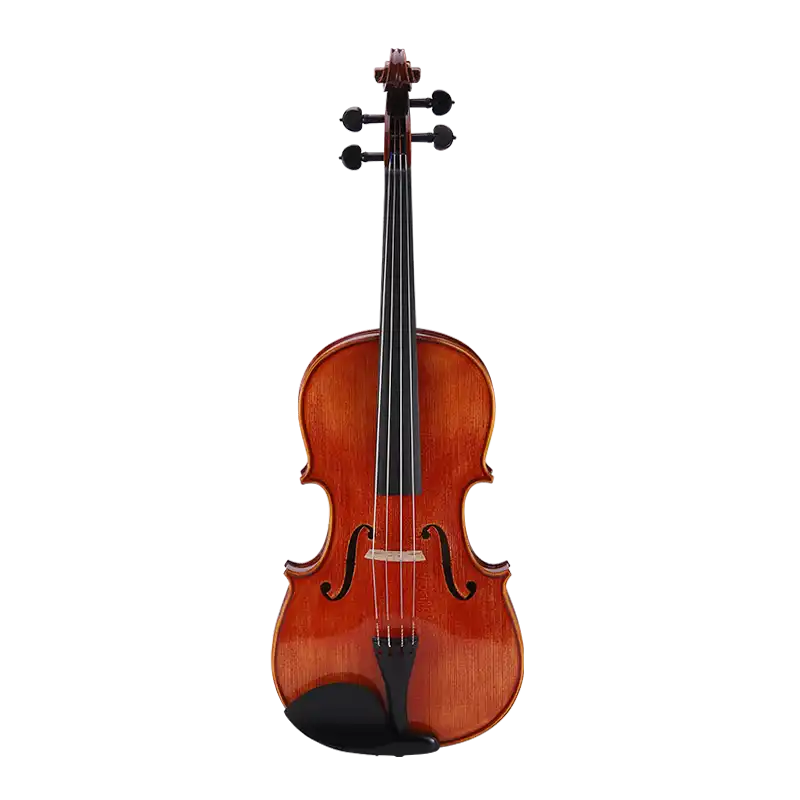
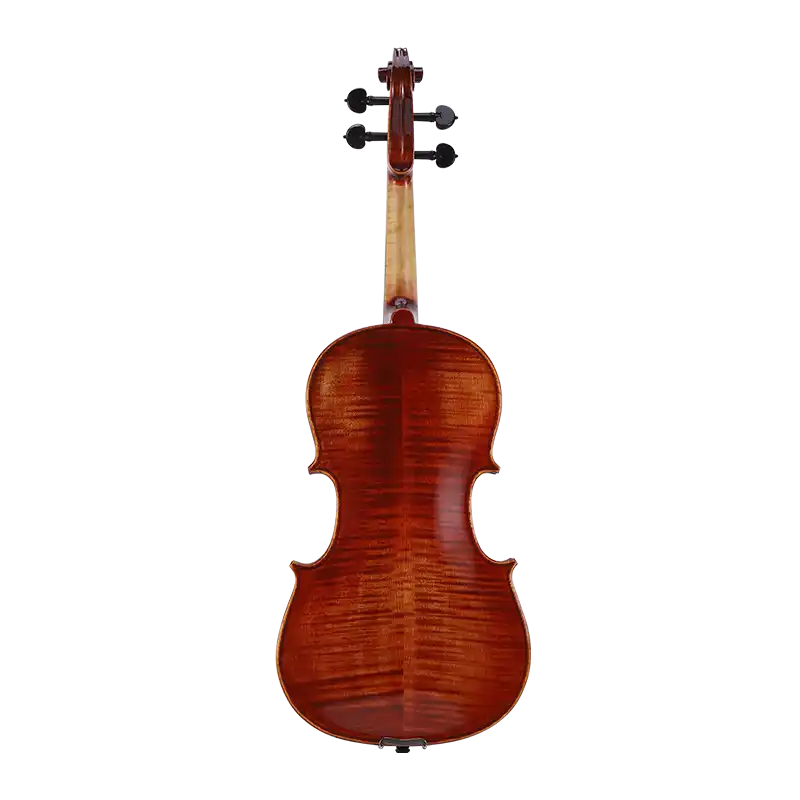
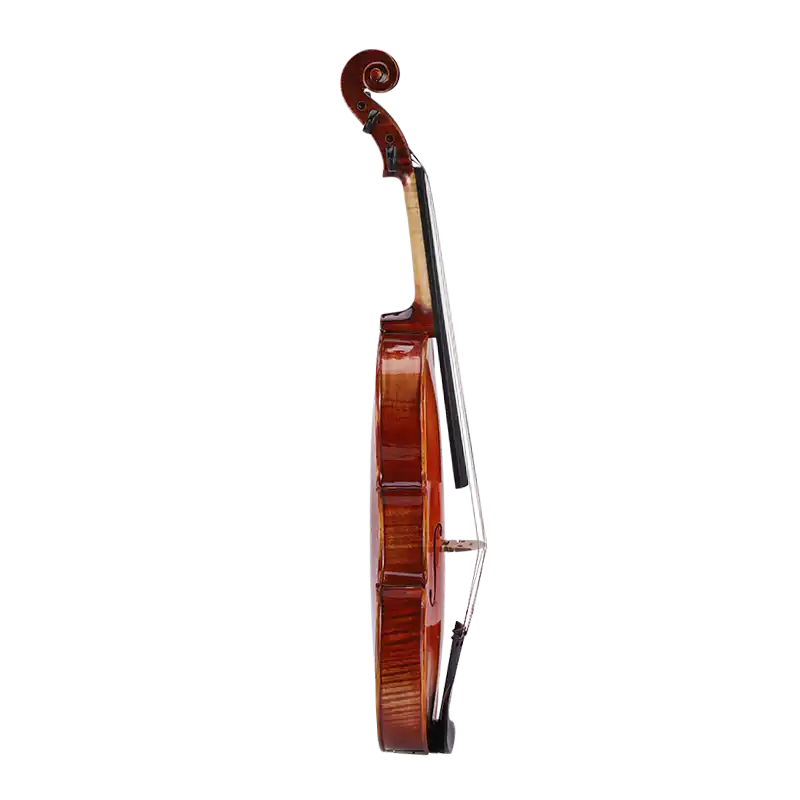


| Violas Size | 15", 15.5", 16", 16.5", 17"+ |
|---|---|
| 面板 Top Plate / Belly | |
| 背板 & 侧板 Back Plate & Ribs | 高级火焰纹枫木 Highly Flamed Maple |
| 琴 头&琴颈Scroll&Neck | |
| 指板 Fingerboard | 乌木 / 黑檀 Ebony |
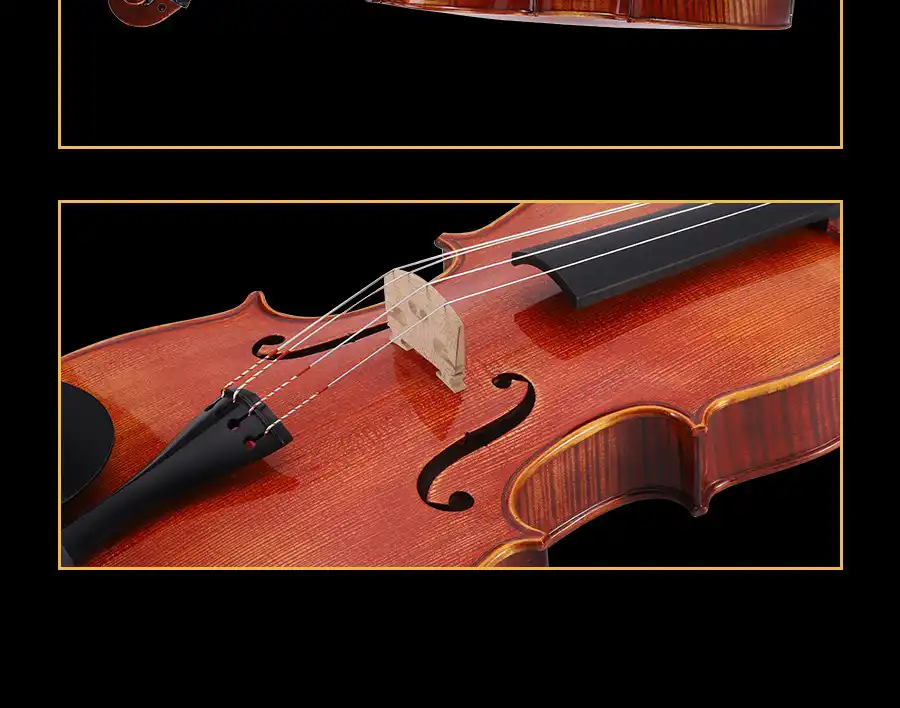
| 琴码 Bridge | A级 A/Master Grade Bridge |
| 配件 Pegs,Tailpiece,Chinrest | 乌木 Ebony |
| 油漆 Varnish | 真手工酒精漆 Hand-Applied Spirit Varnish |
| 琴盒 Case | 方盒Oblong Case |
| 琴弓 Bow | 精选巴西木 Selected Brazilwood |
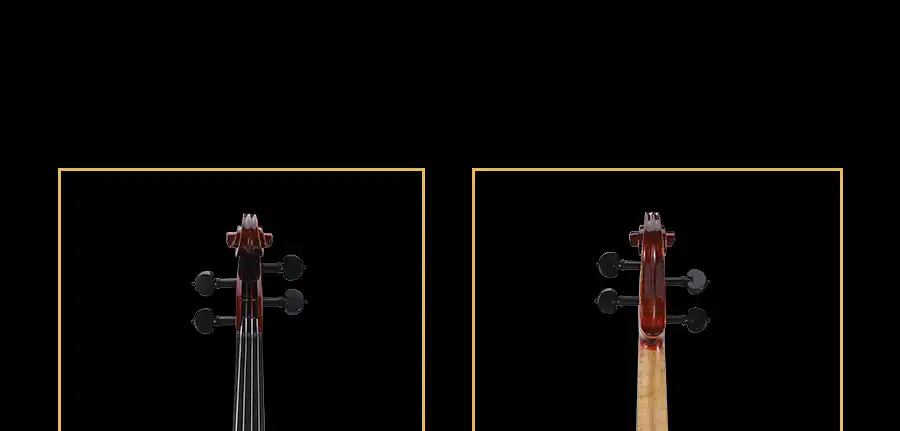
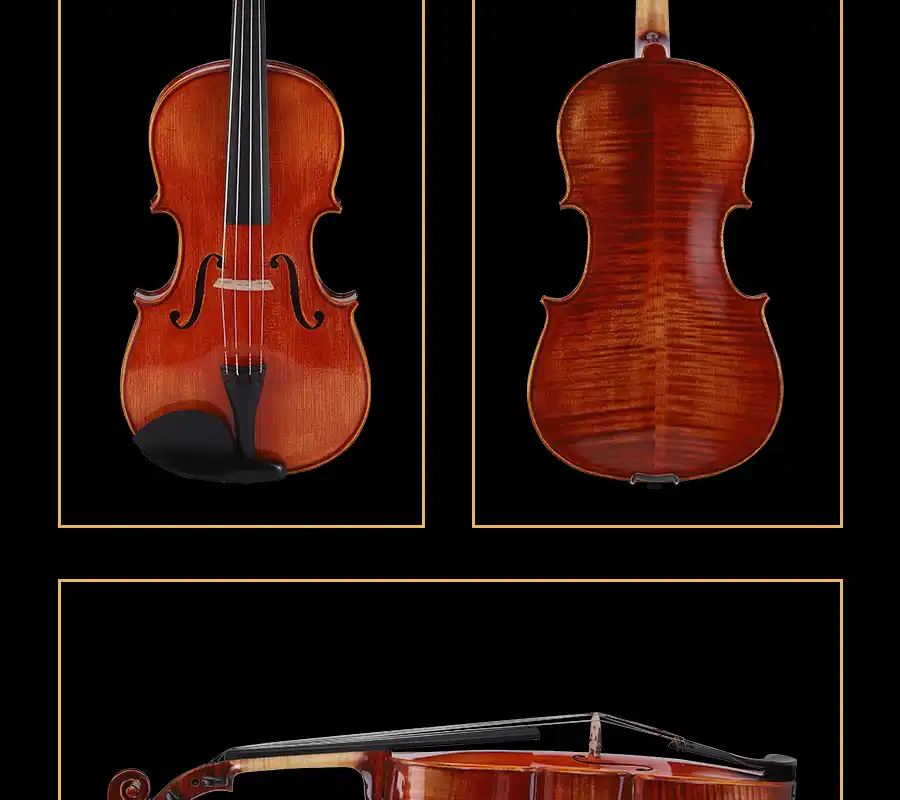
Intermediate viola wholesale is where buyers stop comparing only “spec lists” and start evaluating how reliably a supplier can deliver the same outcome across repeat orders. This handmade intermediate viola is positioned for advancing students, ensemble programs, and dealer inventory that needs a clear upgrade from entry-level stock without drifting into unpredictable showpiece variation. The visual story is intentionally classic: a spruce top for responsive playability, flamed maple back and sides for a premium look, and full ebony fittings for a unified, professional finish.
For B2B customers, product tier clarity reduces purchasing friction. Place this model inside your Intermediate Violas category so dealers and schools immediately understand where it belongs in a program ladder. Many institutions start students in baseline inventory and then step them up as technique improves; you can naturally reference your Beginner Violas for first-year programs and keep this model as the next milestone purchase.
The advantage of a “classic” intermediate look is commercial: it photographs consistently, it fits diverse regional preferences, and it supports long-term listings that do not need constant image updates. Full ebony fittings help unify the presentation across batches, making it easier for dealers to reuse photography and keep SKU pages stable through a season. If you want to reinforce buyer confidence with process evidence rather than marketing language, anchor the claim to your QC and workmanship standards and explain that batch consistency is managed through inspection checkpoints and controlled setup tolerances.
For buyers who want to understand the viola’s role in the violin family, an authoritative overview is helpful: Encyclopaedia Britannica’s viola reference. Clear expectations reduce returns and shorten the decision cycle for school procurement teams.
Finally, intermediate wholesale often leads to premium upgrades later. If your customer is building a conservatory track or higher-level ensemble line, guide them toward your Professional Violas when they request more advanced tonal refinement and higher cosmetic grading.
Intermediate viola wholesale performance is measured in sell-through, reorder rates, and return reduction. Handmade finishing matters when it improves the parts of the product experience that customers actually notice and dealers can describe consistently: clean edges, stable neck feel, predictable setup, and a finish appearance that looks premium in photos but does not vary wildly from unit to unit. This is especially important for dealer websites and music schools that need consistency across multiple instruments in the same intake season.
A useful way to present “handmade” in B2B channels is to translate it into operational outcomes. Instead of claiming perfection, explain what is controlled: alignment checks, consistent feel under the left hand, and dependable response for advancing students. When purchasing managers can connect craftsmanship language to predictable outcomes, they can justify bulk purchasing and avoid internal pushback. That practical framing also supports contract buyers who must document why an intermediate instrument is a rational upgrade from baseline inventory.
Intermediate wholesale buyers frequently ask about branding continuity. If the instrument is intended for dealer house brands or regional distribution labels, it helps to make the next step explicit: private labeling, carton marks, and packaging inserts are structured through your OEM/ODM services. This keeps customization professional and reduces misunderstandings that can occur when OEM is handled informally. Reorder stability improves when brand presentation is standardized.
If your buyers want to bundle a complete “step-up package” (bow, rosin, shoulder rest, spare strings), keep the product page focused while offering a natural expansion path through your Accessories catalog. Dealers appreciate a single supplier approach when they are building kits for advancing students.
In short, intermediate viola wholesale at this level is about repeatable refinement: the look is premium, the feel is stable, and the supplier workflow supports reorders without new surprises.
Intermediate viola wholesale customers expect a materials story that makes sense for advancing players and holds up under dealer scrutiny. This viola uses a spruce top paired with flamed maple back and sides—an established combination associated with responsiveness, stability, and a visually premium identity. For students moving beyond entry level, a responsive top helps translate improved bow control into clearer articulation and dynamic range, while maple supports structural reliability for daily use in ensembles and school programs.
If you want an authority reference that explains why spruce is valued for responsive soundboards in an easy-to-understand way, you can cite a plain-language discussion of soundboard wood selection such as: WRI on spruce as a responsive soundboard wood. Although the example is guitar-oriented, the physical idea—stiff yet light tops transferring vibration efficiently—helps wholesale buyers understand why spruce remains common in many acoustic instruments.
Flamed maple also provides a merchandising advantage. Figure reads strongly in product photography, especially when dealers use consistent lighting across a product line. In wholesale, the key is not “maximum flame,” but consistent visual grade across batches so SKU pages remain accurate over time. This is where procurement teams become cautious: they need assurance that the next shipment will match the photos they have already deployed across marketing channels. Linking to your QC standards supports that assurance with a process reference rather than a promise.
If your B2B customers need sizing guidance to reduce returns and improve player comfort, a reputable reference is useful. The Strad discusses why viola sizing matters and how it influences player fit: The Strad on viola sizes. This helps schools and dealers communicate that correct fit is part of intermediate success.
Overall, intermediate viola wholesale succeeds when the materials story supports both tone expectations and listing consistency—this configuration does both.
Intermediate viola wholesale buyers often prefer a “neutral-premium” presentation that fits multiple markets. Full ebony fittings deliver exactly that: ebony fingerboard, ebony pegs, ebony tailpiece, and ebony chin rest create a unified, professional look that dealers can position confidently across regions. Unlike more decorative fitting sets, all-ebony hardware stays visually consistent with flamed maple and reduces the risk of color mismatch across batches—important when your customers are stocking multiple units under one SKU listing.
From a practical viewpoint, ebony fittings also support durability in daily use. Advancing students practice more, travel more with ensembles, and put more wear on instruments than beginners. A stable, premium-fitting package helps the instrument hold its presentation over time, which reduces after-sales friction for dealers and schools. On the product page, describe this benefit in business terms: fewer early-stage complaints, cleaner first inspection, and a stronger perceived value at the intermediate tier.
A second commercial advantage is photography. Full ebony fittings create predictable contrast in images, which helps your dealer clients maintain a consistent visual style across their catalogs. That “clean listing” effect matters in competitive markets where many intermediate instruments look similar at a glance. When a buyer can recognize your inventory as coherent and premium, they are more likely to reorder from the same supplier instead of experimenting with new sources.
If your customers want to build complete intermediate kits, direct them naturally to your Accessories for compatible add-ons. And if they need private labeling or packaging inserts, keep the process structured through OEM services so customization remains repeatable across reorders.
In intermediate viola wholesale, unified presentation is a selling feature—full ebony fittings make that feature easy to deliver at scale.
Intermediate viola wholesale is only successful if the product arrives safely and the logistics workflow supports reorders without stress. This viola is supplied with a practical square case designed for everyday storage, dealer handling, and program distribution. For B2B buyers, consistent case format helps packing plans remain predictable, simplifies receiving, and supports standardized kitting for music schools and studios.
Export readiness also depends on clear operational standards: packing discipline, delivery expectations, and documentation alignment. If you publish logistics details, reference them directly to reduce purchase hesitation. Your operational anchor can be your Shipping/Delivery/Packaging page, where buyers can review packing methods, carton reinforcement, and typical delivery windows. When logistics are transparent, purchasing teams place orders faster and sales teams spend less time answering repetitive questions.
Many intermediate buyers also need OEM capability for dealer brands and regional channels. Make that pathway explicit through your OEM/ODM services, and reinforce product consistency with your QC standards. This combination turns a product page into a procurement tool: it answers risk questions about batch consistency, branding repeatability, and shipping reliability before the buyer has to ask.
It is designed for advancing students, dealer inventory, and music school programs that need step-up instruments with consistent batches.
Full ebony fittings create a unified premium look that photographs cleanly, supports consistent SKU listings, and improves perceived value at the intermediate tier.
Yes. OEM labeling, carton marks, and packaging inserts can be configured based on your order plan.
Yes. Export-oriented packing standards, a square case format, and documented shipping guidance help reduce transit risk.
You can review workmanship controls and inspection standards on the QC standards page.
Delivery expectations, packing approach, and export guidance are summarized on the Shipping/Delivery/Packaging page.