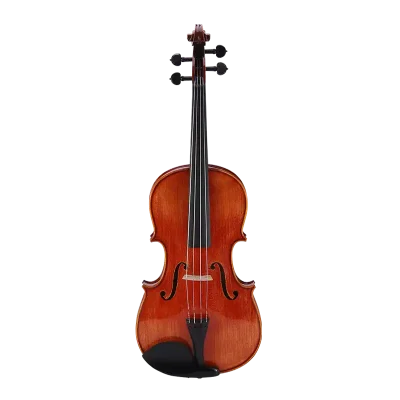
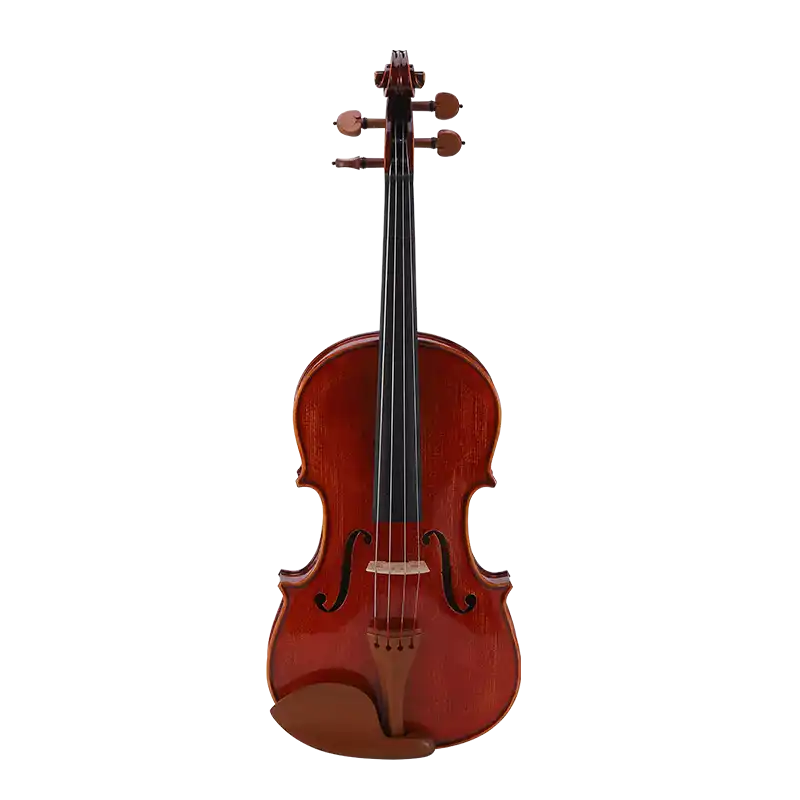
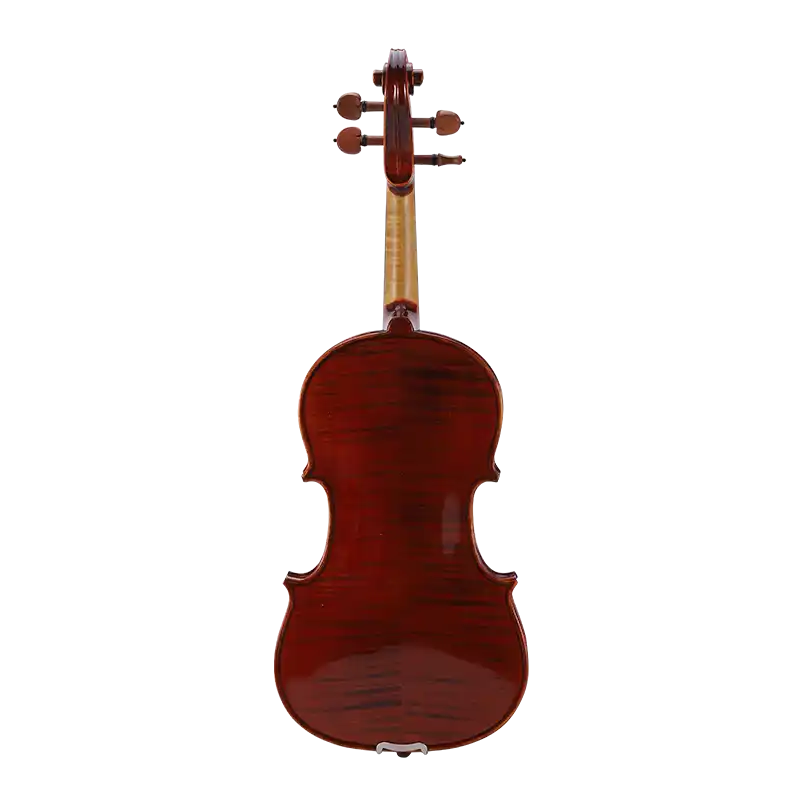
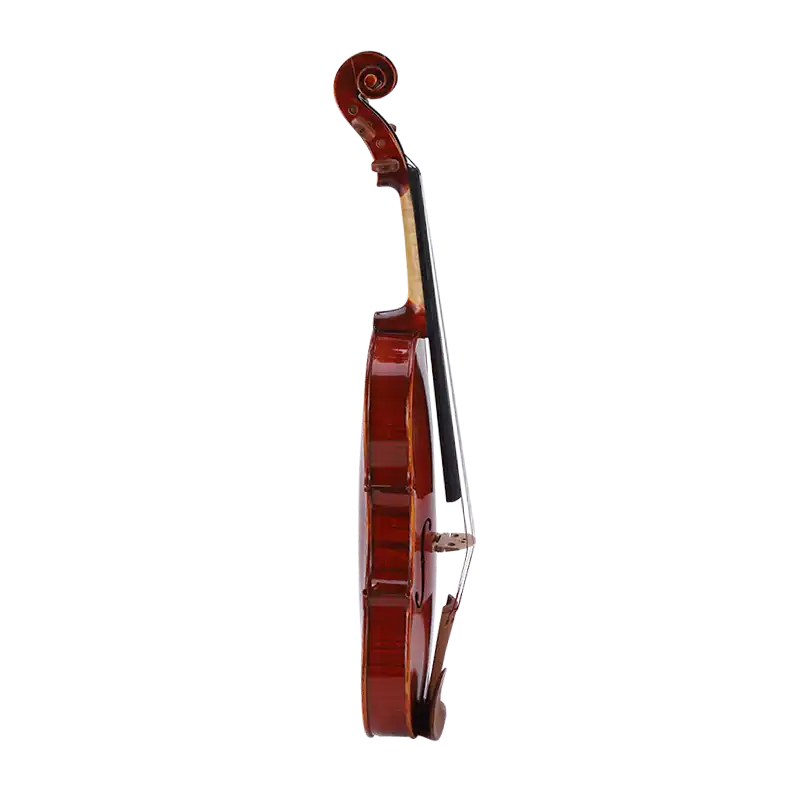

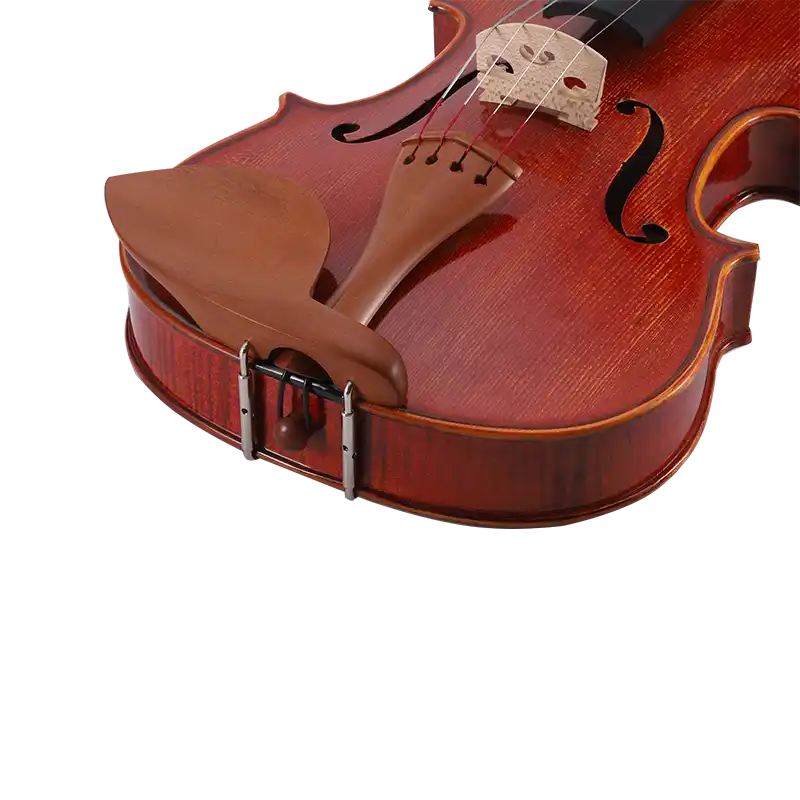
| Violas Size | 15", 15.5", 16", 16.5", 17"+ |
|---|---|
| 面板 Top Plate / Belly | |
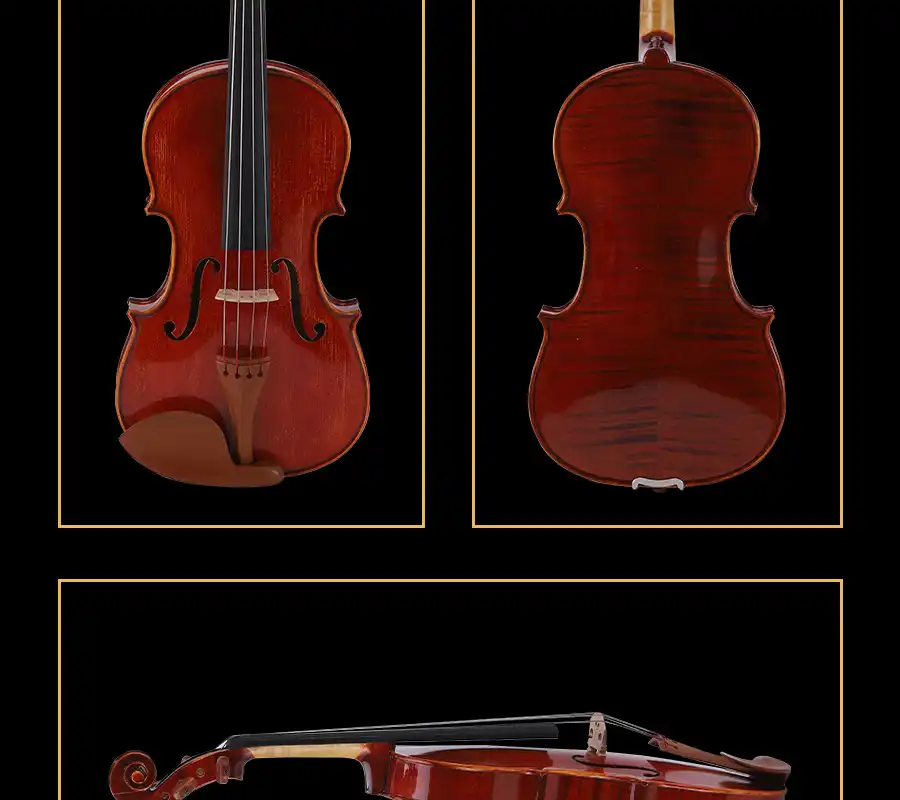
| 背板 & 侧板 Back Plate & Ribs | 较少火焰纹枫木 Slightly Flamed Maple |
| 琴 头&琴颈Scroll&Neck | |
| 指板 Fingerboard | 乌木 / 黑檀 Ebony |
| 琴码 Bridge | 法国枫木 French/Belgian Maple |
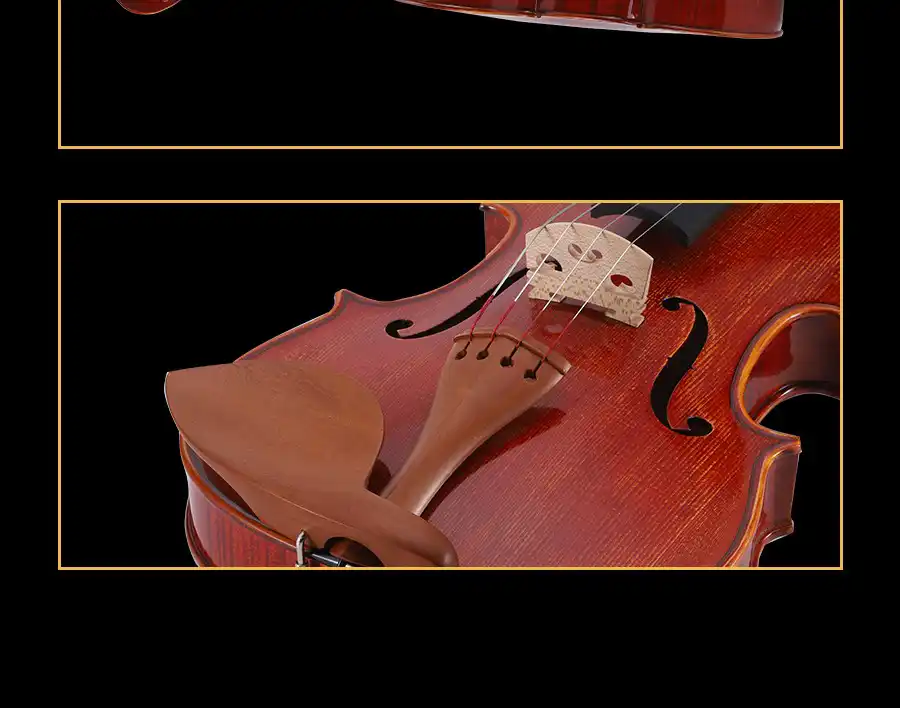
| 配件 Pegs,Tailpiece,Chinrest | 枣木 Jujube |
| 油漆 Varnish | 混合清漆 Hybrid Varnish |
| 琴盒 Case | 方盒Oblong Case |
| 琴弓 Bow | 精选巴西木 Selected Brazilwood |

Intermediate viola wholesale is where many dealers and music schools start to judge a supplier as a long-term partner, not just a one-time vendor. At this level, buyers need a clear upgrade in presentation and feel, while still keeping batch consistency strong enough for catalog listings, school sets, and dealer replenishment. This viola is positioned as a step-up instrument for advancing students and ensemble players who are ready for more refinement than entry-level stock.
To make purchasing frictionless for B2B customers, place this instrument inside your Intermediate Violas category so buyers immediately understand the level and intended use. If you build “progression ladders” for school contracts, it is helpful to show the pathway in context: buyers can start a program in your Beginner Violas and then move students into intermediate inventory once fundamentals stabilize.
What makes intermediate wholesale different is not one single feature—it is the combined effect of controlled workmanship, stable setup tolerances, and a look that is consistent across shipments. Flamed maple back and sides create a more premium visual identity that photographs well on dealer sites. The spruce top is selected to support responsiveness, helping advancing players shape articulation and dynamics more easily than on ultra-basic student instruments.
If your buyers ask how you keep outcomes consistent, give them a practical answer backed by process. A natural trust anchor is your QC and workmanship standards, which can summarize inspection checkpoints and consistency controls. Wholesale customers do not want big promises; they want evidence that you can repeat the same result across reorders.
Intermediate viola wholesale buyers often use a simple rule: if the instrument looks refined and feels stable in the hands, it sells faster and returns less. Handmade finishing is valuable when it improves the parts of the customer experience that are visible and repeatable—clean edges, consistent neck feel, tidy fitting alignment, and a presentation that supports premium positioning without drifting into “showpiece variability.”
In dealer channels, the product page must do three jobs at once: support visual merchandising, support buyer confidence, and reduce pre-sale questions. That means describing craftsmanship in a way that is operational, not poetic. Instead of claiming “perfect,” explain what you control: alignment, consistent finish appearance across units, and stable setup tolerances designed for advancing students. This framing helps purchasing managers justify bulk orders, especially for music school contracts.
If your customers require branding consistency across regions, connect the story to real business options. OEM labeling, carton marks, and packaging inserts can be structured through your OEM/ODM services so “handmade” becomes part of a scalable program rather than a one-off claim. When dealers can reorder the same look and the same pack-out, their sales teams move faster and their support load stays lower.
And when buyers ask what happens after intermediate, show them the next rung in your catalog ladder. For higher-level ensembles or conservatory tracks, direct qualified buyers to your Professional Violas as the natural progression.
Intermediate viola wholesale is where material choice must be explained in a way that supports both tone expectations and inventory consistency. This viola pairs a spruce top with flamed maple back and sides—an established combination valued for responsiveness, stability, and a professional appearance. For advancing students, a responsive top helps translate bow control into a clearer dynamic range, while maple contributes structural reliability and a focused voice.
If you want to educate purchasing teams without turning your product page into a textbook, a short authority reference can help. World Resources Institute explains the soundboard logic in plain language—why makers often look for wood that is both stiff and light for tops—see: WRI on spruce as a responsive soundboard wood. While the example discusses guitars, the physical idea of a responsive top plate is easy for buyers to understand and helps them align expectations for intermediate instruments.
Visual grade also matters in this tier. Flamed maple supports premium merchandising because the figure reads clearly in product photography, especially under consistent lighting. For wholesale, the key is selecting figure that looks premium yet stays consistent across batches. Dealers do not want one unit with bold flame and the next with barely any figure if they plan to reuse the same listing images across a season.
Finally, if you provide fit and sizing guidance for viola buyers, a credible external reference can lower returns. The Strad discusses how viola sizing and proportions affect player experience in: The Strad: “Viola sizes—size does matter”. This helps schools and dealers communicate that correct fit is part of performance success.
Intermediate viola wholesale customers often want a distinctive look that still feels practical for daily use. This model combines an ebony fingerboard with jujube-wood fittings (pegs, tailpiece, and chin rest). The contrast creates a warm, professional visual signature that stands apart from all-black fitting sets while staying understated enough for school and studio programs.
From a B2B perspective, fittings are not just cosmetic. They influence how the instrument is perceived on first inspection and how it behaves during routine use. An ebony fingerboard supports a clean, premium presentation associated with step-up instruments. The jujube fittings provide a coordinated look that dealers can describe as “warm hardwood fittings” without needing to oversell. The goal is to help your distributors position the viola as a true intermediate option, not a re-labeled beginner instrument.
If your customers bundle accessories for advancing students—bows, rosin, shoulder rests, spare strings—keep the product page focused while offering a natural next step through your Accessories catalog. This supports larger cart sizes in dealer orders and helps schools build complete program packages without sourcing from multiple vendors.
To reinforce confidence, connect fittings and setup stability back to your production controls. Buyers care most about repeatable outcomes, so it is helpful to point them again to your QC standards as the evidence behind consistent assembly and inspection.
Intermediate viola wholesale does not end at the instrument—it ends at safe delivery and an easy reorder process. This viola is supplied with a practical square case intended for everyday storage, dealer handling, and program distribution. For schools and distributors, the case supports predictable pack-out and easier stacking during receiving, especially when orders arrive in multiple cartons.
Export readiness is a workflow: lead-time clarity, packing discipline, and documentation alignment. If you publish delivery timelines and packaging methods, link them directly so buyers can self-verify logistics requirements. A natural operational reference is your Shipping/Delivery/Packaging page, where you can outline carton reinforcement, internal protection, and typical delivery windows for different order volumes.
Many intermediate buyers also want branding support. OEM labeling, program inserts, and carton marks help dealers standardize their retail presence. Make the next step clear by referencing your OEM services as a structured process rather than a vague promise. When OEM is documented, purchasing teams feel safer placing repeat orders.
It is designed for advancing students, dealer inventory, and music school programs that need a step-up instrument with consistent batches.
Handmade finishing priorities, flamed maple presentation, and an ebony fingerboard with warm hardwood fittings support a true intermediate positioning.
Yes. OEM labeling, carton marks, and packaging inserts can be configured based on your order plan.
Yes. Export-oriented packing standards and documented shipping guidance are available to reduce transit risk and simplify receiving.
You can review workmanship controls and inspection standards on the QC standards page.
Delivery expectations, packing approach, and export guidance are summarized on the Shipping/Delivery/Packaging page.