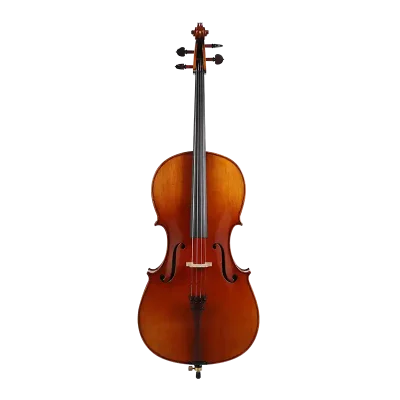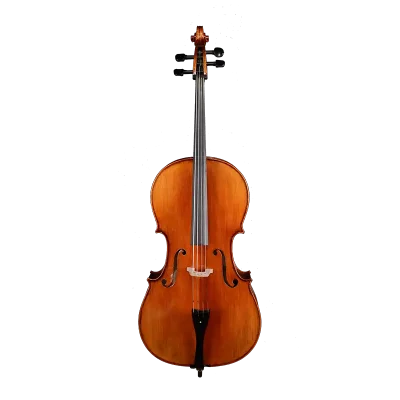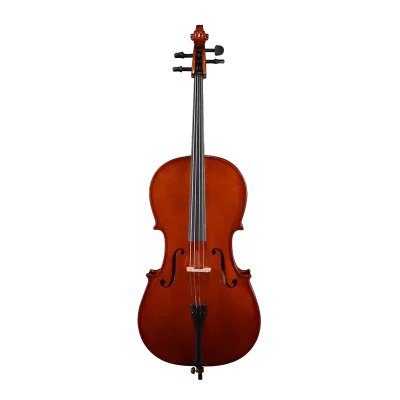
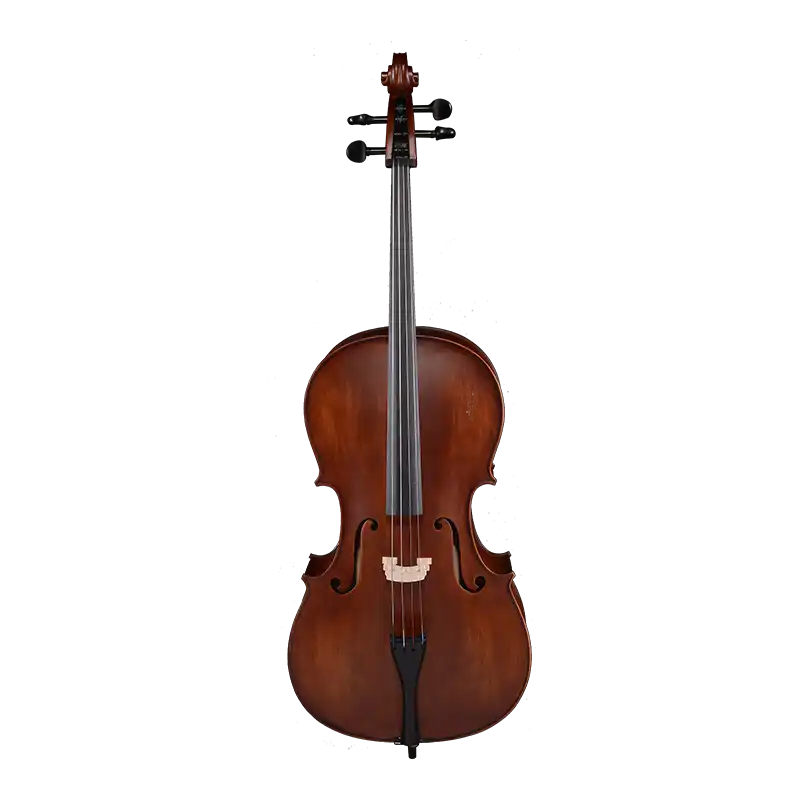
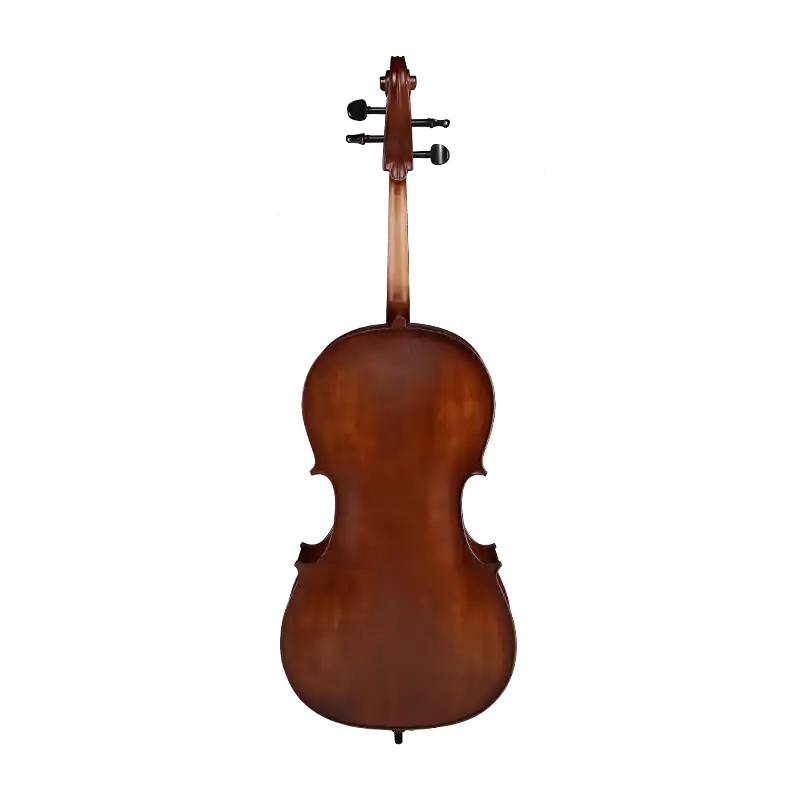
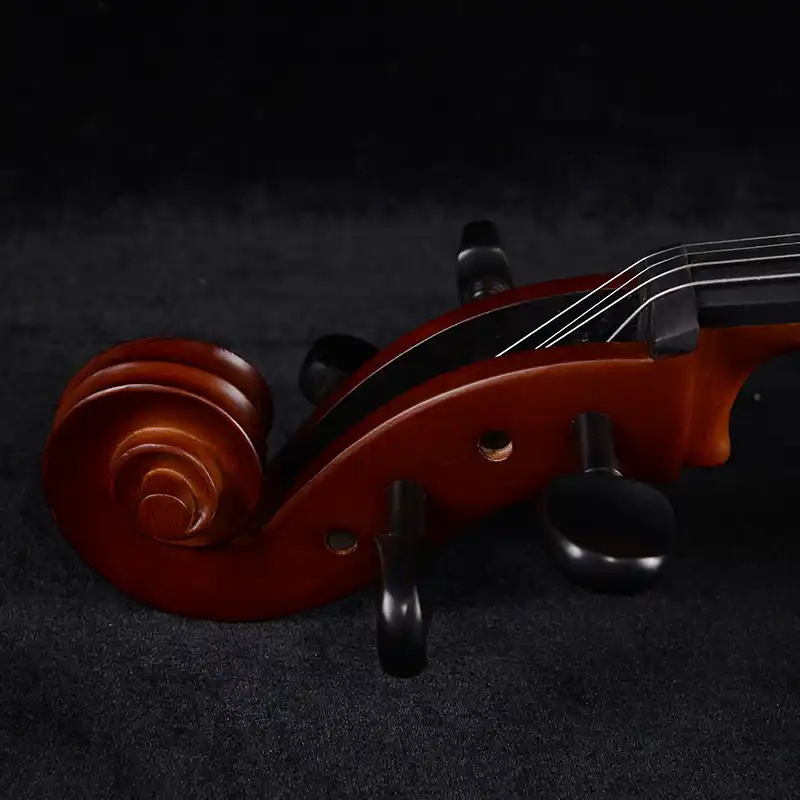
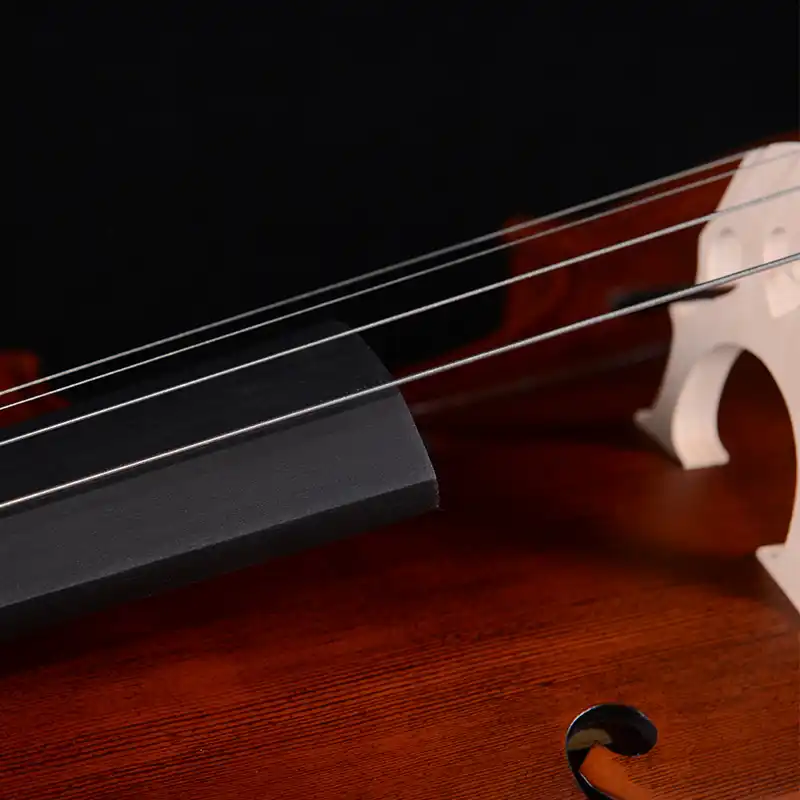
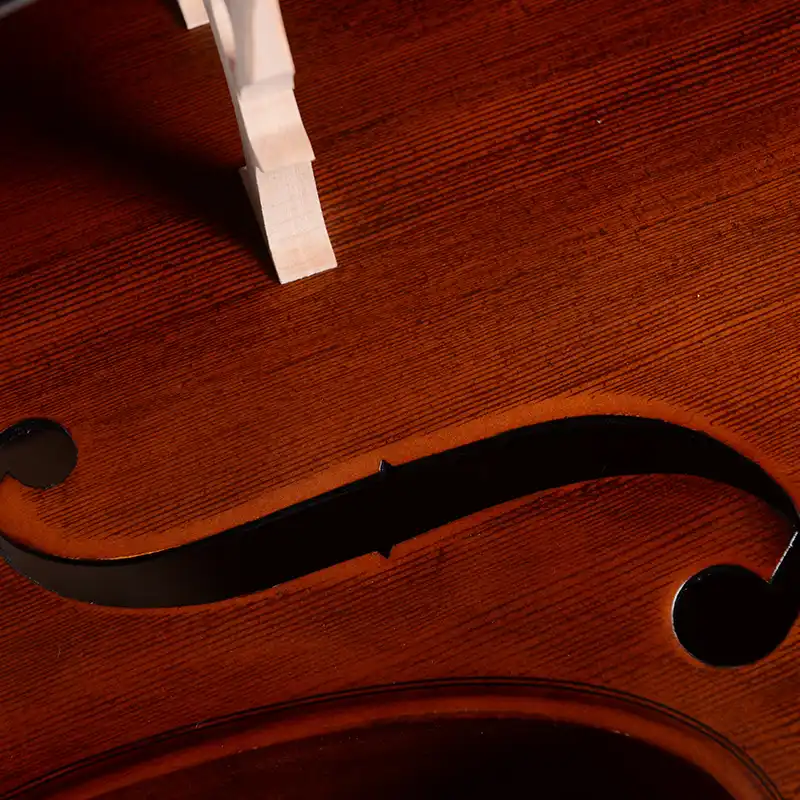
| Cellos Size | 1/10, 1/8, 1/4, 1/2, 3/4, 4/4 |
|---|---|
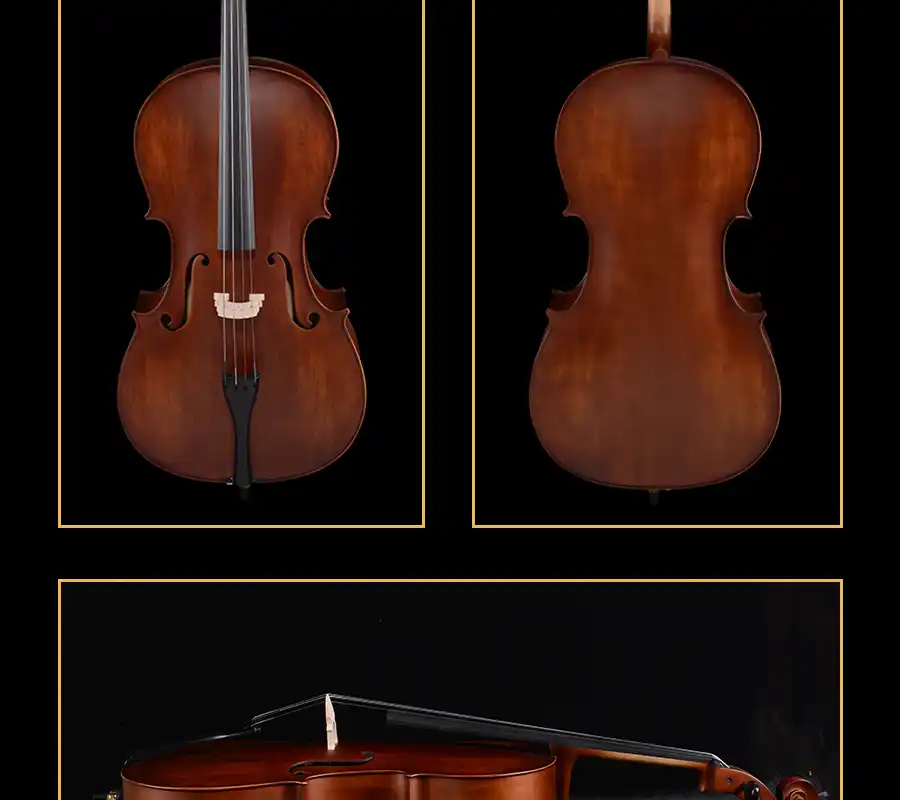
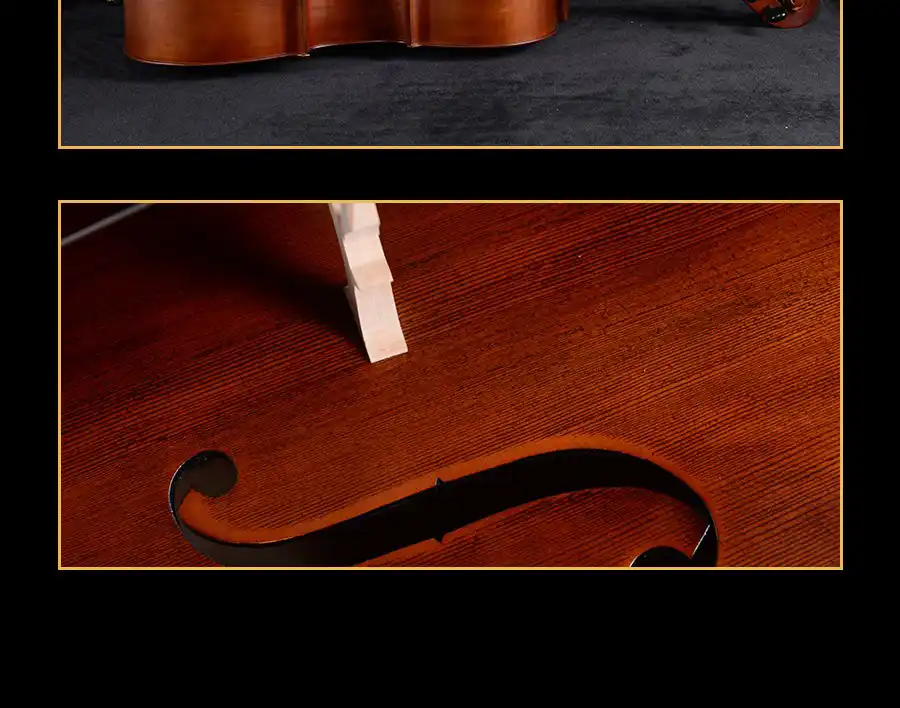
| 面板 Top Plate / Belly | |
| 背板 & 侧板 Back Plate & Ribs | 普通枫木 Plain Maple |
| 琴 头&琴颈Scroll&Neck | |
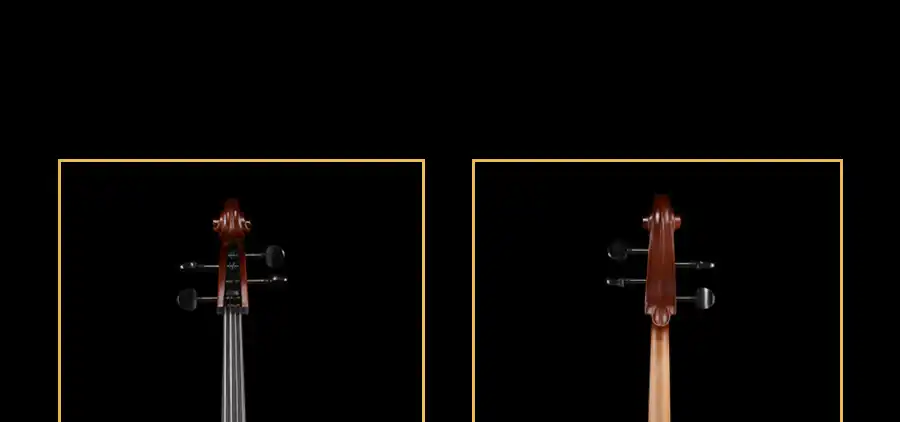
| 指板 Fingerboard | 乌木 / 黑檀 Ebony |
| 琴码 Bridge | 标准枫木 Standard Maple |
| 配件 Pegs,Tailpiece,Chinrest | 乌木 Ebony |
| 油漆 Varnish | 混合清漆 Hybrid Varnish |
| 大提琴琴盒选项 Cellos Case Option | Canvas Bag (Free) / Hard Case (Paid) |
| 琴弓 Bow | 精选巴西木 Selected Brazilwood |
Ebony-Fitted Spruce Maple Cello is the kind of specification dealers choose when they want a beginner model to feel “closer to professional” at first touch. Many entry instruments can be playable, but the buying decision is often made in the hands: how the fingerboard feels, how the pegs turn, how clean the contact points are, and whether the setup encourages confident practice. LC03 is built to deliver a refined beginner experience by combining a spruce top and maple back/sides with full ebony fittings—an upgrade that matters for both perception and long-term handling.
For school orchestras and student programs, the goal is not fragile perfection. The goal is repeatable quality, stable playability, and a tone that supports learning and ensemble blend. Spruce helps the instrument respond quickly to the bow, while maple contributes focus and definition—especially helpful when students are working on clarity, clean string crossings, and consistent articulation. Ebony fittings then reinforce the “serious instrument” message: teachers appreciate it, parents recognize it, and dealers can position it as a stronger step within a beginner catalog.
To keep your product ladder clear, place LC03 within Beginner Cellos as a “refined beginner” choice, then guide advancing students to Intermediate Cellos when their technique begins to demand more nuance and projection.
When you need a neutral, authoritative reference to explain what a cello is and why construction matters in orchestral settings, an educational overview like Encyclopaedia Britannica (Cello) can support dealer training content and buyer confidence without sounding promotional.
In short, this Ebony-Fitted Spruce Maple Cello is positioned as a dealer-ready beginner platform: refined touchpoints, stable supply logic, and a sound character that works in real programs.
Ebony-Fitted Spruce Maple Cello is not only about tonewood names; it is about how the instrument behaves under everyday pressure. The spruce top supports responsiveness and a more immediate “start” of the note, which helps beginners learn bow control. Maple back and sides keep the low register organized and focused, reducing the sense of muddiness that can discourage students. These choices are practical for rehearsal and performance environments, where clarity and control matter more than extreme soloistic brightness.
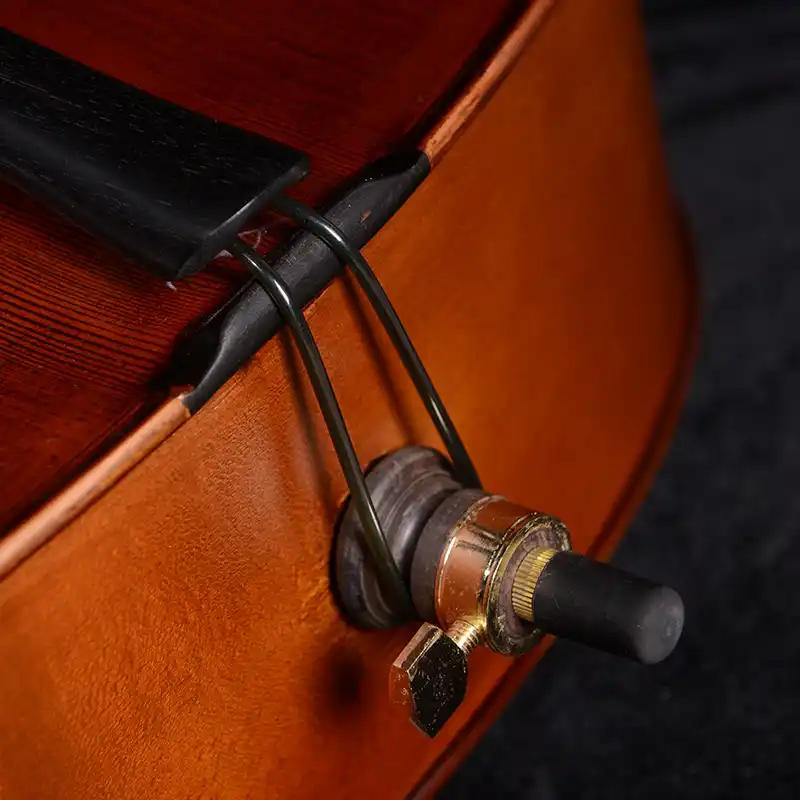
Ebony fingerboard, ebony pegs, and an ebony tailpiece create a more professional set of contact points. Ebony is widely used in higher tiers because it is dense, stable, and pleasant to the touch. In real-world dealer operations, that often translates into fewer complaints about feel and fewer long-term issues tied to wear. It also strengthens your “step-up beginner” positioning: customers can see and feel the upgrade without needing a deep technical explanation.
LC03 is paired with standard strings for easy replacement in global markets and a 760-level bow stick to support consistent starter performance. For dealers, that means you can offer a refined beginner cello without making the replacement ecosystem complicated. If your buyers want complete packages, it is natural to bundle cases, rosin, spare strings, or care tools through Accessories, which simplifies procurement and increases order value without altering the core instrument selection.
When discussing setup culture and why fittings and adjustment matter, referencing respected industry media can add credibility. For example, The Strad is widely recognized in the string community and can be cited in educational content about craftsmanship, setup expectations, and performance practice.
This section supports a clear message for wholesale buyers: Ebony-Fitted Spruce Maple Cello provides a cleaner touch, stronger perceived quality, and a dealer-friendly maintenance pathway.
Ebony-Fitted Spruce Maple Cello is designed to be satisfying in the environments where beginners actually play: practice rooms, rehearsal halls, and ensemble settings. The cello’s identity is rooted in its low register and supportive harmonic role, so the most important performance metric is a controlled, dependable response. Spruce helps notes speak with less effort, which reduces frustration in early learning. Maple contributes definition to the sound, helping students hear articulation and intonation more clearly, especially in group contexts where the cello must be present but not overpowering.
Because LC03 is positioned as a refined beginner model, it aims for a balanced tonal character: warm enough for comfort, clear enough for progress. Ebony fittings reinforce the professional “feel” at the player interface, which matters psychologically for students who are transitioning from entry-grade instruments and want a sense of advancement. Dealers can position this model as performance-capable for student stage use, while still being stable and repeatable for wholesale distribution.
Consistency is created by process. If your importers and dealers ask how you manage batch repeatability, you can point them to a transparent explanation of inspection and workmanship standards: Quality Control & Workshop Process. This helps reduce purchase hesitation and shifts the conversation from “claims” to “methods.”
For a clean upgrade pathway, it is also effective to frame LC03 as part of a progression ladder: start with refined beginner, then move into Intermediate Cellos when technique demands more complexity, and ultimately into Professional Cellos for high-level nuance and projection.
Ultimately, Ebony-Fitted Spruce Maple Cello is about controlled response and confident playability—key requirements for dealers supplying real programs, not just one-off buyers.
Ebony-Fitted Spruce Maple Cello becomes a strong wholesale product when the offer is built for reordering, catalog consistency, and brand compatibility. LC03 is positioned as a “premium beginner” solution that dealers can reorder with confidence: the core specification is stable, the story is easy to communicate, and the touchpoints feel upgraded without forcing buyers into fragile, high-maintenance territory. This is especially important for importers serving multiple channels—retail, school supply, and teacher referrals—where consistency protects reputation.
Private-label and dealer programs often require small but meaningful customization: logo marking, carton style, accessory bundling, or documentation inserts. If your procurement flow includes that level of control, your brand program can be routed through OEM / ODM service. This keeps the instrument specification clean while allowing presentation and packaging to match your market positioning.
To improve buyer navigation and conversion, structure your category ladder clearly. Position LC03 within Beginner Cellos as an upgraded beginner tier, then show obvious next steps toward Intermediate Cellos for advancing players. Buyers trust suppliers who understand progression rather than pushing a single model for everyone.
For educational messaging around instrument selection, maintenance routines, and student-care expectations, referencing established manufacturer education hubs can be useful. A broad, reputable brand site such as Yamaha can support neutral guidance content about beginner practice and instrument care, helping your product page feel informative rather than purely sales-driven.
In summary, LC03 is optimized for B2B realities: refined presentation, reorder stability, and a catalog structure that supports long-term customer relationships.
Ebony-Fitted Spruce Maple Cello should arrive ready for distribution—protected, consistent, and aligned with the buyer’s expectations. In wholesale, damage risk and unclear delivery communication are among the fastest ways to lose margin. LC03 is prepared with a B2B execution mindset: inspection checkpoints, protective packing options, and a workflow designed to reduce post-arrival rework. This makes it easier for dealers to receive, stage, and deliver inventory quickly.
If your buyer requests clear logistics information—packing methods, delivery windows, and shipping coordination—you can align communication with a dedicated reference page: Shipping / Delivery / Packaging. This improves trust for first-time importers and reduces disputes because expectations are set early.
For buyers who need transparency on workmanship control, link the QC process directly: Quality Control & Workshop Process. In B2B procurement, process clarity often matters as much as the instrument itself, because it reduces uncertainty and supports repeat business.
Q1: What makes this model different from basic beginner cellos?
A1: It combines a spruce top and maple back/sides with full ebony fittings, giving a more refined touch and a more “professional” feel while staying dealer-friendly for repeat orders.
Q2: Is it suitable for school orchestras and student stage performance?
A2: Yes. The specification targets stable response, clear ensemble tone, and a confident beginner experience for rehearsal and performance use.
Q3: Can I order OEM branding and custom packaging?
A3: Yes. Logo, cartons, accessory bundles, and documentation inserts can be arranged through the OEM/ODM pathway.
Q4: What is the typical delivery time?
A4: A common delivery window is 7–15 days depending on order structure, inspection schedule, and destination logistics.
Q5: Can accessories and cases be bundled?
A5: Yes. Many buyers bundle cases, rosin, spare strings, and care items to simplify procurement and improve readiness.