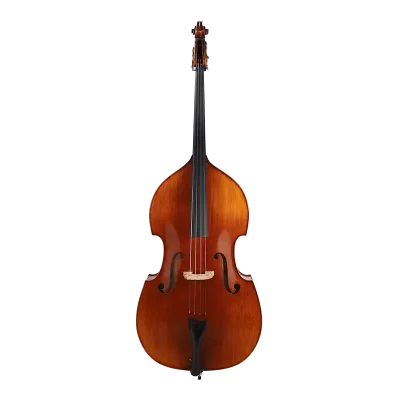
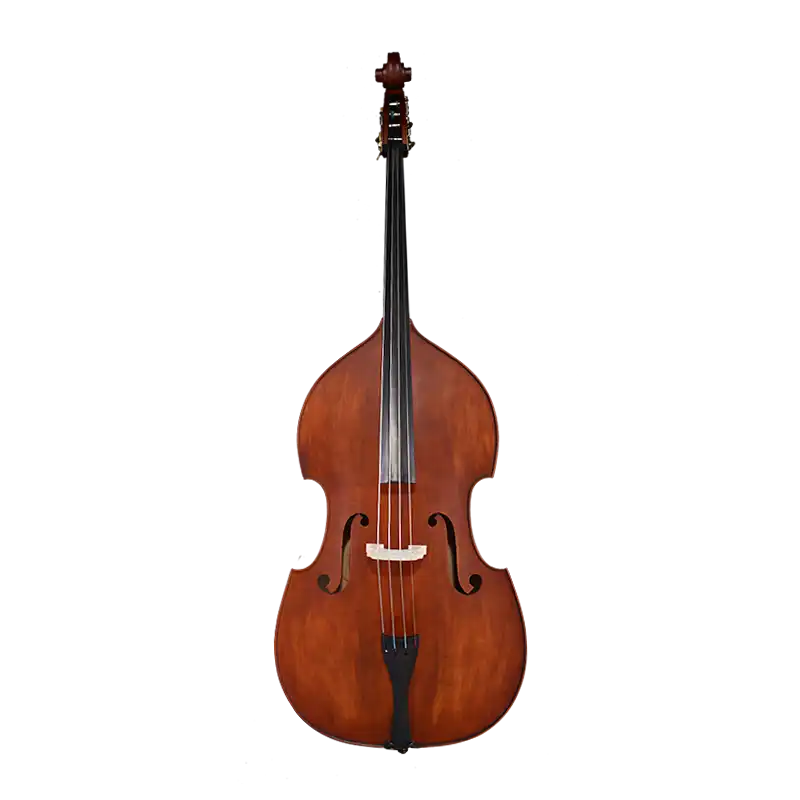
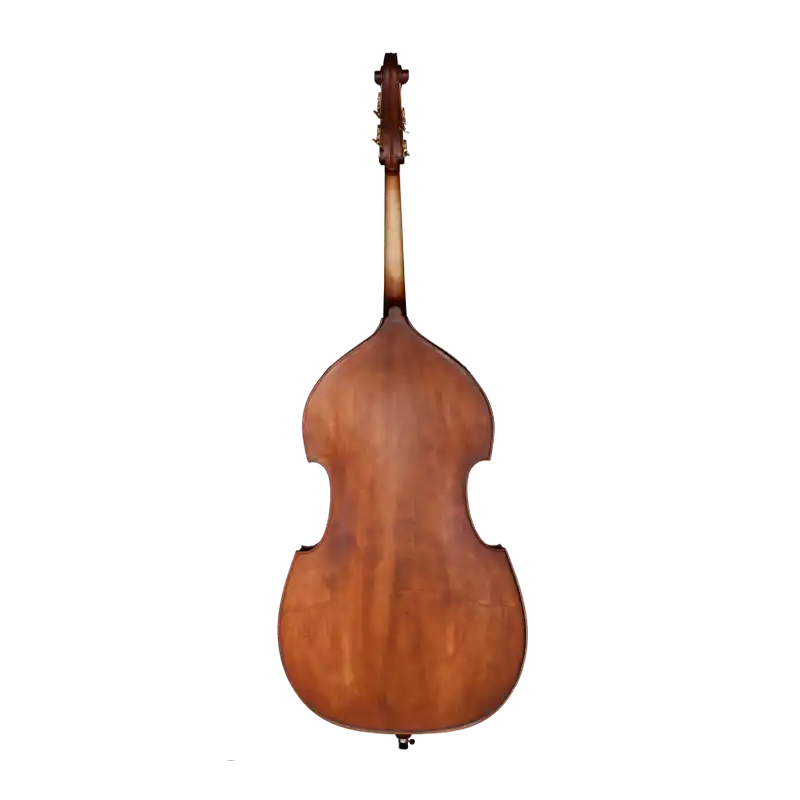
| Double Basses Size | 1/2, 3/4, 4/4 |
|---|---|
| 面板 Top Plate / Belly | |
| 背板 & 侧板 Back Plate & Ribs | 普通枫木 Plain Maple |
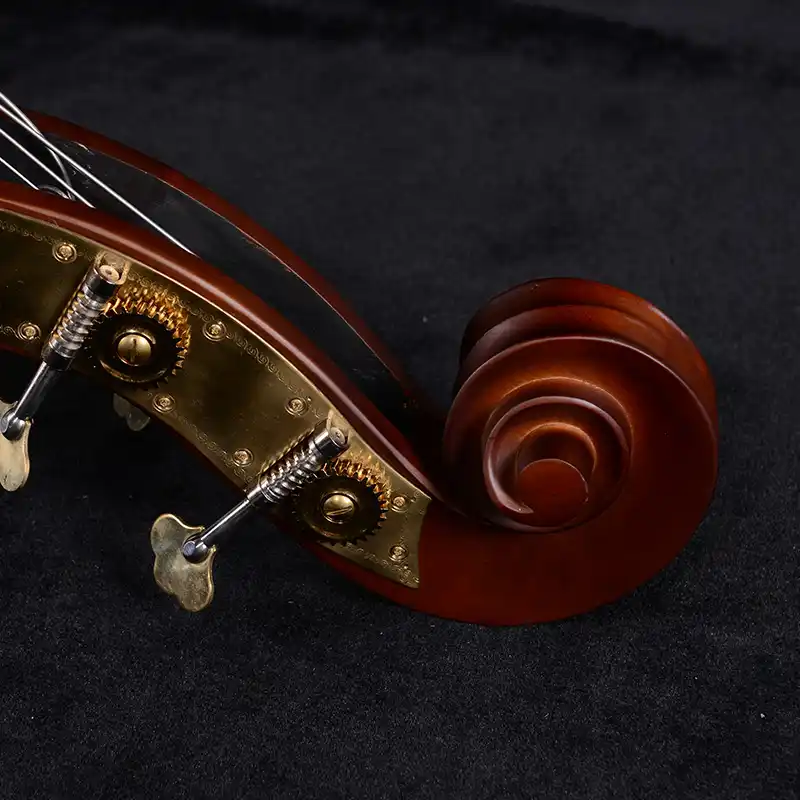
| 琴 头&琴颈Scroll&Neck | |
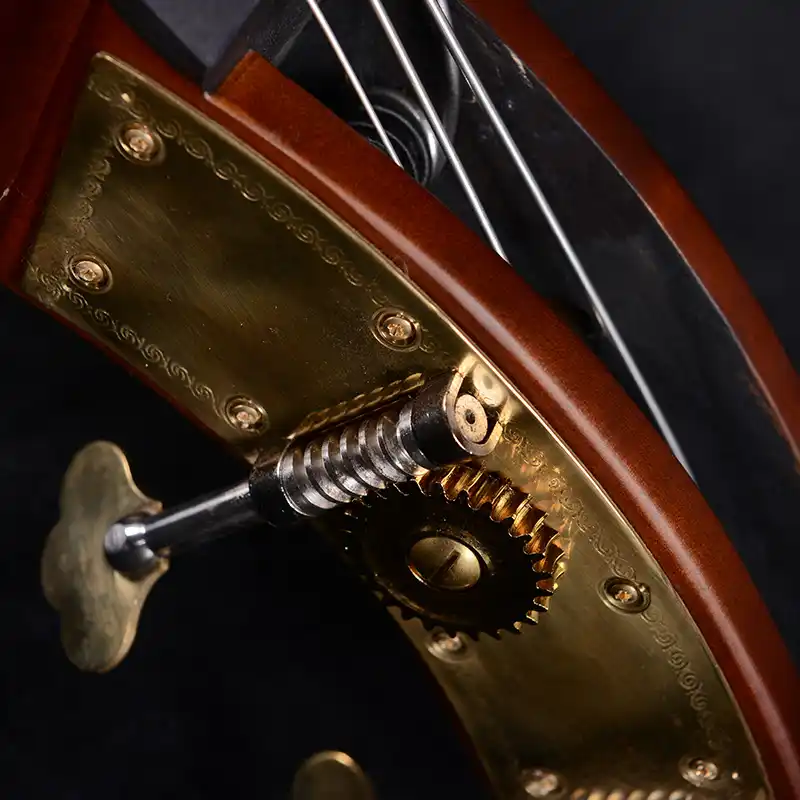
| 弦钮 tuning machines / machine heads | 双联 / Two-on-a-plate (Plate-style) |
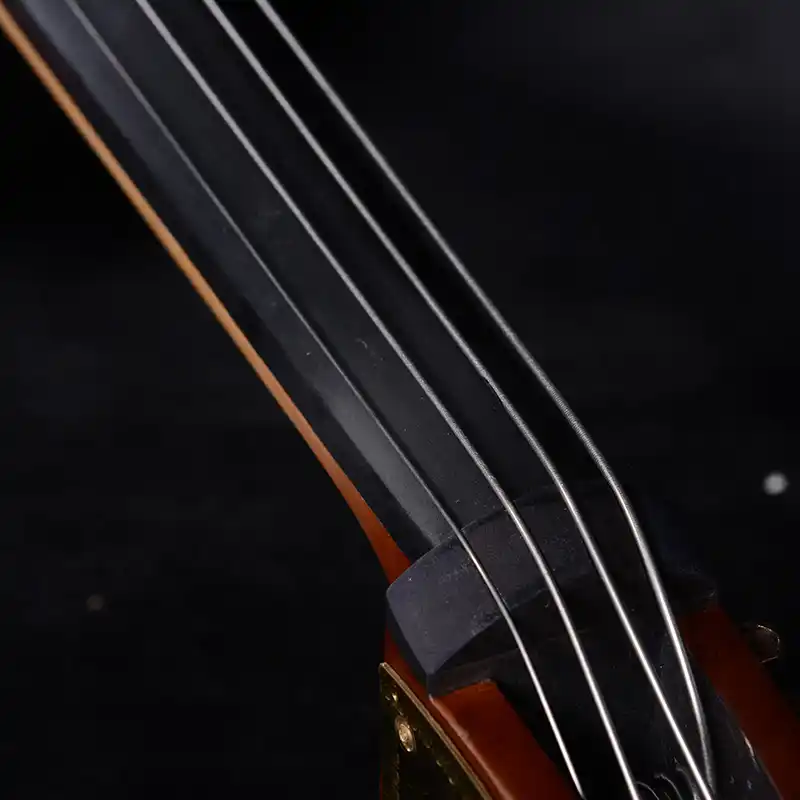
| 指板 Fingerboard | 染黑红桤木 /Black-dyed Red Alder |
| 琴码 Bridge | 标准枫木 Standard Maple |
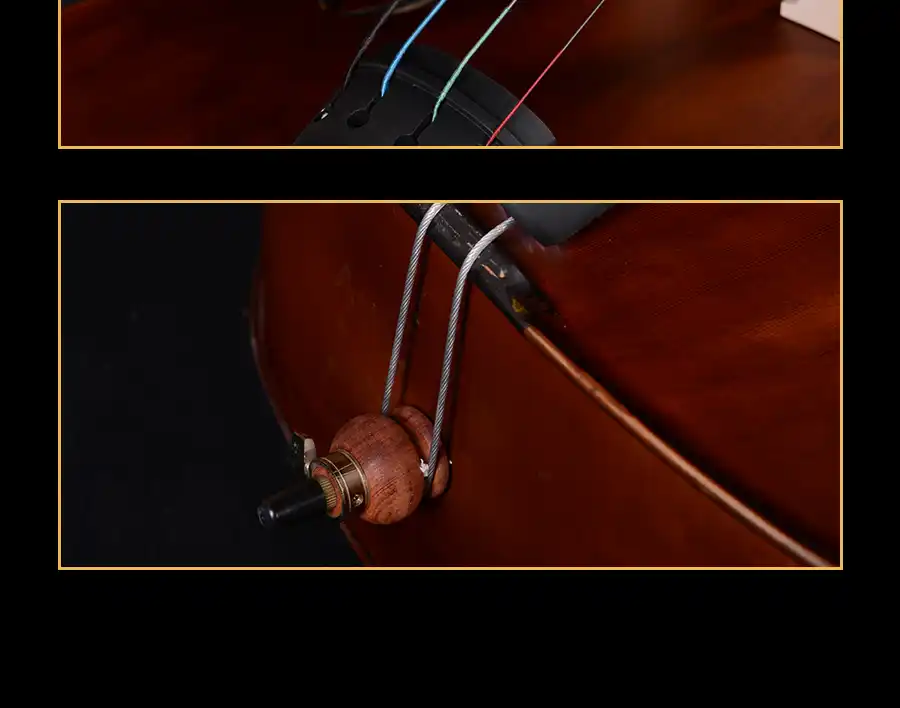
| 拉板 Tailpiece with Tailgut | 染黑红桤木 /Black-dyed Red Alder |
| 油漆 Varnish | 混合清漆 Hybrid Varnish |
| 大贝斯 Double Bass Case Options | Canvas Bag (Free) / Hard Case (Paid) |
| 琴弓 Bow | 精选巴西木 Selected Brazilwood |


The beginner spruce-top double bass is designed for buyers who want entry-level reliability while moving closer to the traditional orchestral material pairing that many teachers prefer. In practical B2B terms, it is a “tone-forward beginner” option: spruce at the top supports quick bow response and clearer articulation, and maple back and sides help keep the sound focused, projecting, and stable in ensemble playing. That combination is familiar to students transitioning from smaller orchestral strings and helps educators teach foundational bow control without fighting a sluggish start or overly diffuse tone.
When you build a category ladder for customers, this model can sit confidently in your beginner range while still feeling like a meaningful upgrade in the showroom. You can position it inside your Beginner Double Basses selection as a “classic tonewood entry,” then guide progressing players toward Intermediate Double Basses when they need more nuance, and toward Professional Double Basses when repertoire and performance requirements become demanding. That structure also helps B2B purchasers explain pricing differences logically without overselling.
For neutral, authoritative context about the instrument family and its orchestral role, you can reference established sources that buyers recognize. A concise overview is available here: Encyclopaedia Britannica: Double Bass. For the broader bass-playing community and educational ecosystem, the International Society of Bassists is a widely known organization that reinforces credibility when schools and serious students research their purchase.
A beginner spruce-top double bass is often selected for how it behaves under the bow. Spruce is commonly valued for its responsiveness: it can speak quickly, which is especially helpful for students who are still developing bow speed control, contact point consistency, and clean string crossings. In orchestra rooms, “quick response” is not a luxury—it is what keeps a section together when multiple players are learning to start notes at the same moment. The goal is not to claim a boutique soloist voice; the goal is predictable orchestral behavior that helps students build correct habits.
Maple back and sides are included here for structure and focus. In practical terms, maple tends to help the sound feel more centered, supporting projection and definition in ensemble settings. For B2B buyers, that means the instrument is easier to demonstrate in a shop and easier for teachers to approve for school use, because the tonal direction is familiar and “orchestra-friendly.” If your customers ask for a manufacturer-style reference on the bass category—use cases, model ranges, and general setup expectations—Yamaha maintains a clear overview that works well in education conversations: Yamaha Double Basses.
This model is specified as a beginner instrument, so the focus stays on consistent playability and dependable handling rather than fragile cosmetics. That is why the story is best told as a balance: classic tonewood logic, entry-level serviceability, and predictable procurement. In other words, it is designed to be ordered repeatedly, stocked confidently, and delivered into real learning environments where the instrument must perform on day one.
The beginner spruce-top double bass is fitted with practical components that support daily use in stores, schools, and rental fleets. The rosewood fingerboard provides a familiar feel for students and maintains a professional look on a retail floor. In shared-use settings, the fingerboard is among the highest-contact parts of the instrument; choosing a dependable hardwood helps preserve playability and reduces service interruptions. This matters for B2B operations because every repair cycle is time, shipping, and customer friction.
Tuning hardware is specified as plate-style tuning machines (two-on-a-plate). This dual-plate layout is a traditional double bass hardware approach that many technicians recognize immediately. For procurement teams, that familiarity is valuable: it reduces questions, simplifies parts understanding, and makes routine maintenance predictable. For rental programs, it also supports fast turnaround because the hardware format is standardized. The tailpiece is rosewood, keeping a classic aesthetic and matching the fingerboard tone for a cohesive presentation that works in both school orchestra rooms and music store displays.
Standard strings are included for a practical baseline setup, along with a student bow stick (750) intended for regular practice and school schedules. If you want a smooth “complete purchase” flow for first-time buyers, you can pair this bass with essentials such as rosin, bags, stands, and spare strings through your Accessories category. This is not only upsell; it reduces post-sale support tickets and helps customers start successfully without missing critical items.
For B2B buyers, a beginner spruce-top double bass must be more than a good-sounding concept. It must be repeatable: consistent baseline performance, stable specification, and predictable lead time. Factory-direct supply is valuable here because it supports standardization across multiple units—particularly for schools ordering sets, or retailers building reliable inventory that can be reordered without surprises. The most common procurement mistakes happen when a product story is vague; this page is built to keep the story concrete: spruce top, maple back and sides, rosewood fingerboard, plate-style tuners, and practical setup components.
Process transparency is part of modern wholesale confidence. If customers ask how instruments are checked before they ship, link them to a clear quality discipline page and keep the promise realistic: inspection, stability checks, and packing readiness. You can reference your internal process overview here: Quality Control. If an importer or store brand requires presentation customization—labels, carton marks, packaging details—you can describe those options through your OEM/ODM service pathway in a professional, bounded way that suits wholesale discussions.
From a merchandising perspective, this model also supports a simple “why upgrade” story. Compared with all-laminate beginner options, the classic spruce/maple framing is easier to position as a tonal step forward. Compared with higher-cost fully carved offerings, it remains procurement-friendly and operationally manageable. That positioning is ideal for education buyers who need a clear justification, and for retail buyers who want a beginner instrument that does not feel like a compromise.
A beginner spruce-top double bass must arrive safely and predictably, especially for international wholesale orders. Shipping success is built on protective packaging, stable carton handling, and clear communication about lead time. Typical planning is 7–15 days depending on destination and shipping method, and B2B customers appreciate seeing that stated plainly. To keep logistics messaging consistent and reduce back-and-forth, you can point buyers to your delivery and packaging overview here: Shipping & Packaging.
When schools and new players evaluate a purchase, trust often matters as much as tone. This model is meant to be easy to explain: classic tonewood logic for orchestral learning, practical fittings for daily use, and a factory-direct procurement path designed for repeat ordering. That combination helps stores sell confidently and helps education buyers justify the purchase with clarity instead of vague promises.
Q1: Why choose a beginner spruce-top double bass?
A: A spruce top is commonly valued for quicker bow response, helping students develop cleaner articulation and more reliable starts in ensemble playing.
Q2: What does maple back and sides contribute?
A: Maple back and sides help keep the tone focused and projecting, which is useful for orchestra rooms and group rehearsals.
Q3: What tuning machines are included?
A: Plate-style tuning machines (two-on-a-plate) are fitted for a traditional and serviceable hardware layout.
Q4: What fingerboard and tailpiece materials are used?
A: A rosewood fingerboard and rosewood tailpiece are used for reliable daily playability and a classic appearance.
Q5: Is this suitable for schools and rentals?
A: Yes. The specifications and serviceable hardware layout are chosen to support practical daily use and repeat ordering.
Q6: Do you offer factory-direct wholesale supply?
A: Yes. Factory-direct ordering supports consistent specifications and stable procurement for bulk buyers.
Q7: What is the typical logistics planning time?
A: Typical planning is 7–15 days depending on destination and shipping method.
Q8: Can you support OEM/ODM requests for bulk orders?
A: Yes. OEM/ODM options can be discussed for qualified bulk orders, including labeling and packaging marks.