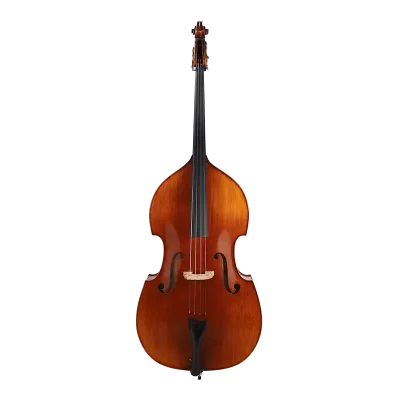



| Double Basses Size | 1/2, 3/4, 4/4 |
|---|---|
| 面板 Top Plate / Belly | |
| 背板 & 侧板 Back Plate & Ribs | 压板 Pressed Wood |
| 琴 头&琴颈Scroll&Neck | |
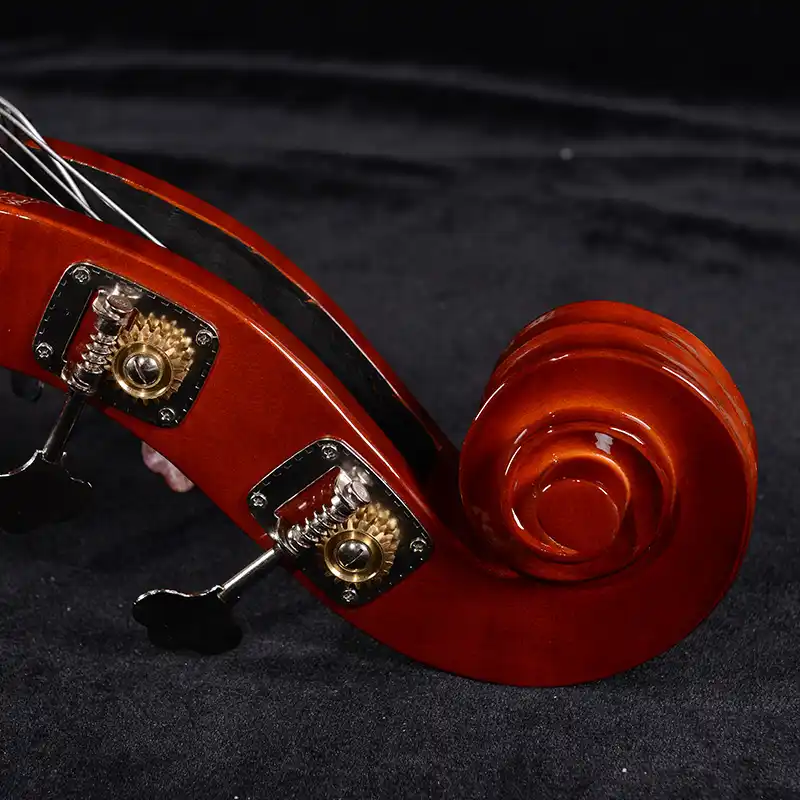
| 弦钮 tuning machines / machine heads | 单联 / Individual (Single) |
| 指板 Fingerboard | 染黑红桤木 /Black-dyed Red Alder |
| 琴码 Bridge | 标准枫木 Standard Maple |
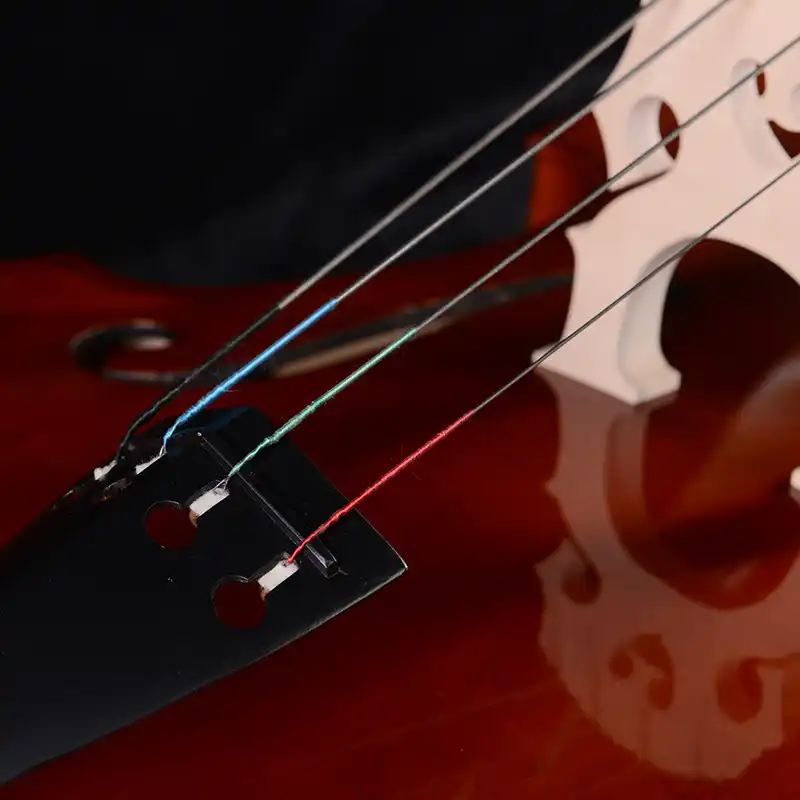
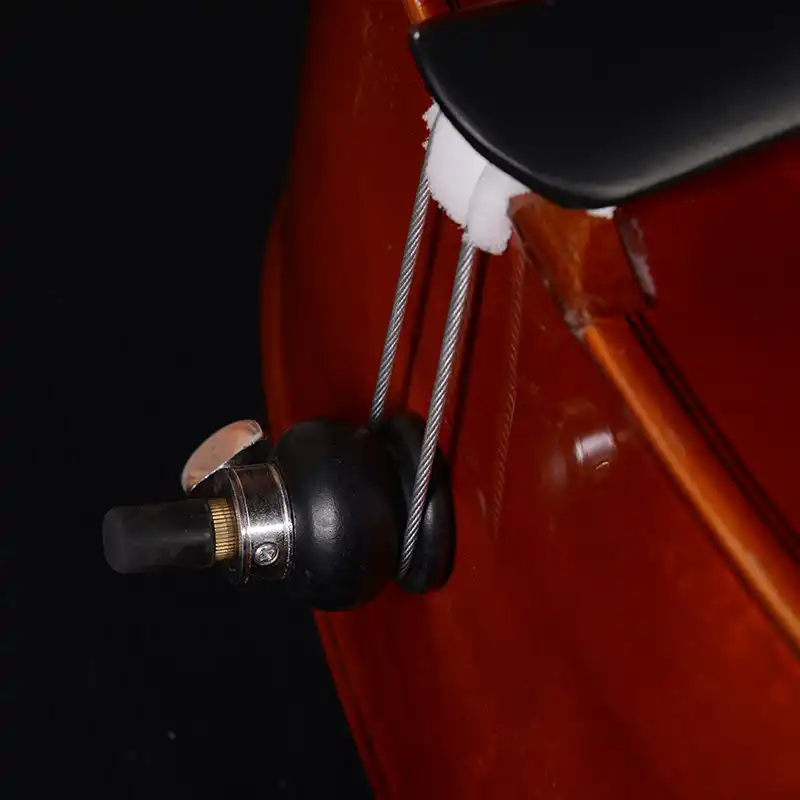
| 拉板 Tailpiece with Tailgut | 染黑红桤木 /Black-dyed Red Alder |
| 油漆 Varnish | 混合清漆 Hybrid Varnish |
| 大贝斯 Double Bass Case Options | Canvas Bag (Free) / Hard Case (Paid) |
| 琴弓 Bow | 精选巴西木 Selected Brazilwood |

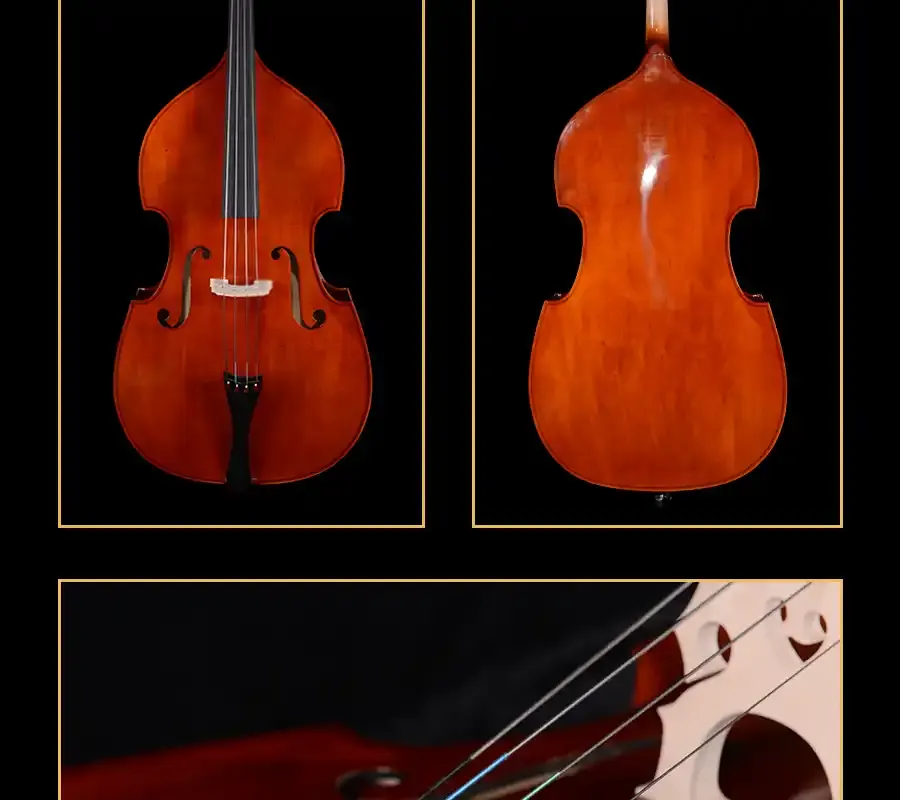
The beginner laminated double bass is engineered for the realities of classrooms, rental fleets, and first-year players who need predictable response day after day. Instead of delicate, climate-sensitive plates, this instrument uses a laminated top with laminated back and sides to help reduce the risk of warping, seam opening, and sudden tonal shifts when the bass travels between practice rooms, vehicles, and performance spaces. For B2B buyers, that stability translates into fewer returns, fewer emergency repairs, and a more consistent customer experience—especially when the bass is handled by multiple students across a term.
If you are building a starter lineup, you can place this model within your beginner selection and keep a clear upgrade path into higher tiers. Many retailers and school programs use a three-step structure to guide purchasing decisions; you can present this bass within your Beginner Double Basses category, then recommend a performance lift through Intermediate Double Basses, and finally offer long-term orchestral capability in Professional Double Basses. This simple ladder helps buyers understand value, reduces friction at checkout, and supports repeat orders as players progress.
For educators, “stability” is not only structural—it is also logistical. Laminated construction is widely favored in environments where instruments are moved often, stored in shared rooms, and exposed to changing humidity. The goal is not to imitate a museum-grade carved instrument; it is to provide a dependable learning platform that stays in service with minimal downtime. If your customers ask about the double bass in a broader context—history, orchestral use, and playing traditions—authoritative references like the International Society of Bassists can help frame expectations in a credible way: International Society of Bassists.
The beginner laminated double bass comes equipped with practical fittings chosen for durability and comfortable handling. A rosewood fingerboard supports smooth shifting and clean articulation for early technique building, while maintaining a professional look that retailers can confidently display. Rosewood is often appreciated for its balance of hardness and tactile warmth, which helps beginners practice longer without feeling “stuck” on the board. In high-traffic music programs, the fingerboard is one of the first parts to show wear; selecting a proven hardwood helps preserve playability over repeated semesters.
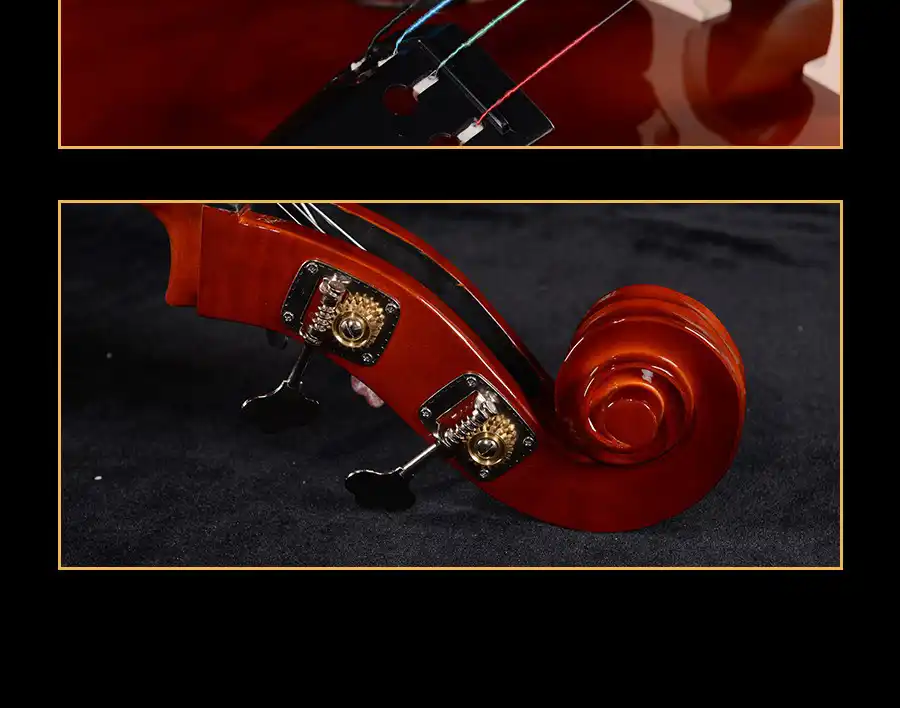
Tuning should not be a daily struggle for entry-level players, which is why this bass uses individual (single) double bass tuning machines. Individual units keep maintenance straightforward, and they simplify replacement service if a tuner is damaged during handling. For stores and rental programs, that serviceability matters: you can restore an instrument quickly without waiting on a full plate assembly. The tailpiece is made from black-dyed red alder, offering a clean black finish that pairs well with stage lighting and school-uniform presentation, while keeping material costs reasonable for wholesale ordering.
Strings are supplied as standard strings suitable for starter setups, and the included 750 bow stick is selected for dependable everyday practice. Many B2B buyers prefer this “ready-to-start” configuration because it reduces friction for first-time customers: the instrument arrives with essential components aligned to beginner needs. If your buyers ask how setup choices affect response, you can point them to reputable manufacturer education resources that explain instrument families and setup considerations in accessible terms, such as Yamaha’s orchestral instrument references: Yamaha Double Basses.
The beginner laminated double bass is positioned for B2B purchasing where consistency, supply stability, and total cost of ownership matter more than boutique cosmetics. Factory-direct sourcing helps you control margin and inventory planning, especially when you need multiple units with the same baseline performance. This model supports straightforward merchandising: it is easy to explain, easy to maintain, and easy to scale from a single trial order to a multi-instrument replenishment.
For schools and rental programs, the key question is often: “Will it survive normal student use?” Laminated plates are a practical answer. They typically tolerate moderate impacts and routine transport better than delicate carved plates, and they tend to be less sensitive to everyday humidity changes. That resilience is why many education buyers select laminated instruments as the first step into orchestral bass study. From a sales narrative perspective, you can position this model as a “workhorse” beginner bass—reliable, serviceable, and intentionally built for frequent use.
To strengthen buyer confidence, connect your product story to transparent process and quality discipline. If you want customers to understand how instruments are checked before shipment, reference your internal quality page as part of the purchase journey: Quality Control. If you serve importers or store brands, you can also introduce customization options responsibly through your OEM/ODM service pathway—finishes, labeling, packaging, and carton marks—without overpromising what a beginner laminated platform is meant to do.
The beginner laminated double bass often becomes a student’s first “serious” instrument—the one that turns curiosity into a routine. In a school setting, that matters: students do not learn consistency from a temperamental instrument. They learn consistency from a bass that stays in tune, survives the week, and behaves predictably in rehearsals. The laminated construction supports that learning arc by keeping the instrument stable through daily movement: classroom storage, hallway transport, rehearsal room temperature swings, and weekend breaks.
For retailers, the sales moment is usually emotional: buyers want reassurance. They fear a purchase that becomes a repair project. A beginner laminated double bass helps you answer that fear with a rational, credible story: laminated top and laminated back/sides for durability, rosewood fingerboard for reliable feel, individual tuning machines for straightforward daily tuning, and a black-finished tailpiece for a clean presentation. This is the kind of specification set that can be explained in a few sentences, while still sounding professional to educators and parents.
Accessories and first-month essentials are also part of the beginner journey. A well-structured product page can naturally guide add-on purchases—rosin, gig bags, stands, and replacement strings—without feeling pushy. If you want to make that journey easier, link buyers to your curated Accessories selection as a supportive next step. The result is a cleaner shopping path: buyers get what they need in one order, and you reduce after-sale messages like “What else do I need to start?”
The beginner laminated double bass is designed to be straightforward to order and straightforward to ship. For international buyers, packaging discipline and predictable dispatch timing are essential. Standard lead time is typically aligned to B2B planning, and your logistics messaging should be clear: confirm carton protection, inner padding, and export labeling. For customers who want to understand how shipping and packaging are handled, direct them to your delivery overview: Shipping & Packaging. Clear expectations reduce disputes and strengthen repeat purchasing.
When buyers ask what a beginner laminated double bass is “for,” the honest answer is: stable learning, daily practice, rentals, and entry-level ensemble work. It is not positioned as a soloist carved bass, and that clarity builds trust. If your customers want a neutral reference that explains the instrument’s role in the orchestra and its general characteristics, an encyclopedia-style overview can help set the context without sounding like sales copy: Encyclopaedia Britannica: Double Bass.
Q1: Why choose a laminated double bass for beginners?
A: Laminated construction is widely selected for beginners because it is more resistant to humidity changes and everyday transport, making it practical for schools and rentals.
Q2: Does this bass come with tuning machines?
A: Yes. It uses individual (single) tuning machines, which are easy to service and straightforward for daily tuning.
Q3: What fingerboard material is used?
A: The instrument is fitted with a rosewood fingerboard for reliable feel and durability in daily practice.
Q4: What is the tailpiece material?
A: The tailpiece is black-dyed red alder, providing a clean black finish suitable for classrooms and retail displays.
Q5: Is this model suitable for rental programs?
A: Yes. The durable laminated build and serviceable hardware are commonly preferred for rental fleets and education use.
Q6: Can you provide factory-direct supply for bulk orders?
A: Yes. Factory-direct ordering supports consistent specifications and stable lead times for music stores and school procurement.
Q7: How should buyers plan shipping time?
A: Typical logistics planning is 7–15 days for delivery timelines depending on destination and shipping method.
Q8: Can this bass be customized for store branding?
A: Yes. OEM/ODM options can include labeling, packaging marks, and presentation details based on order requirements.