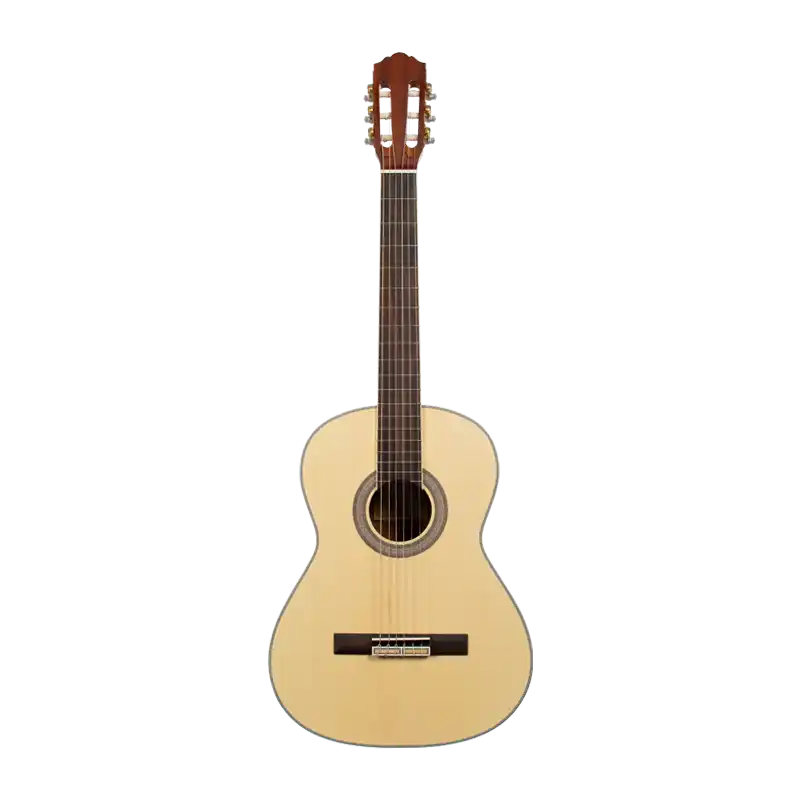
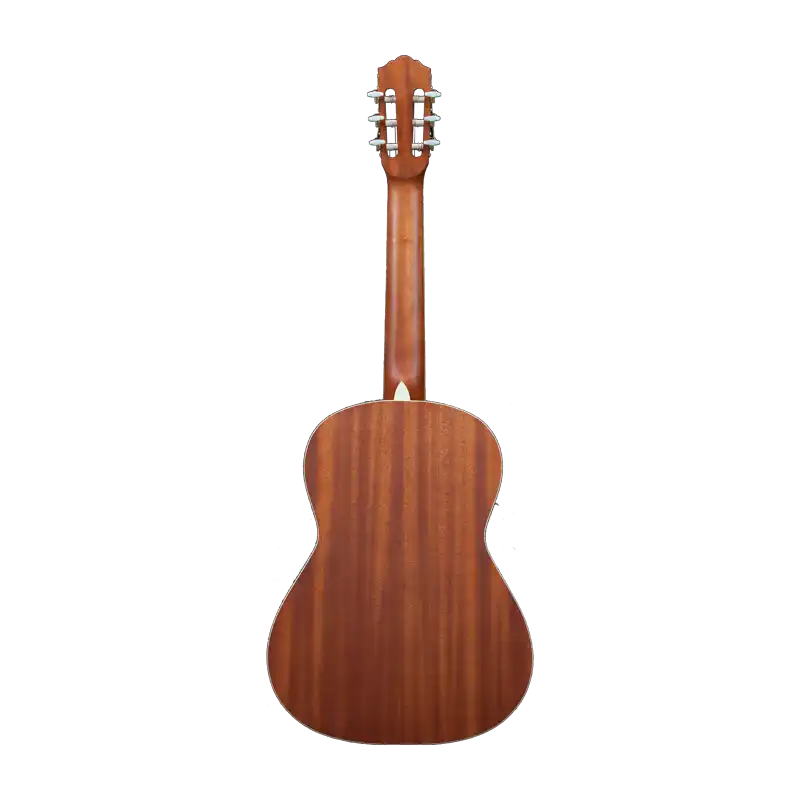
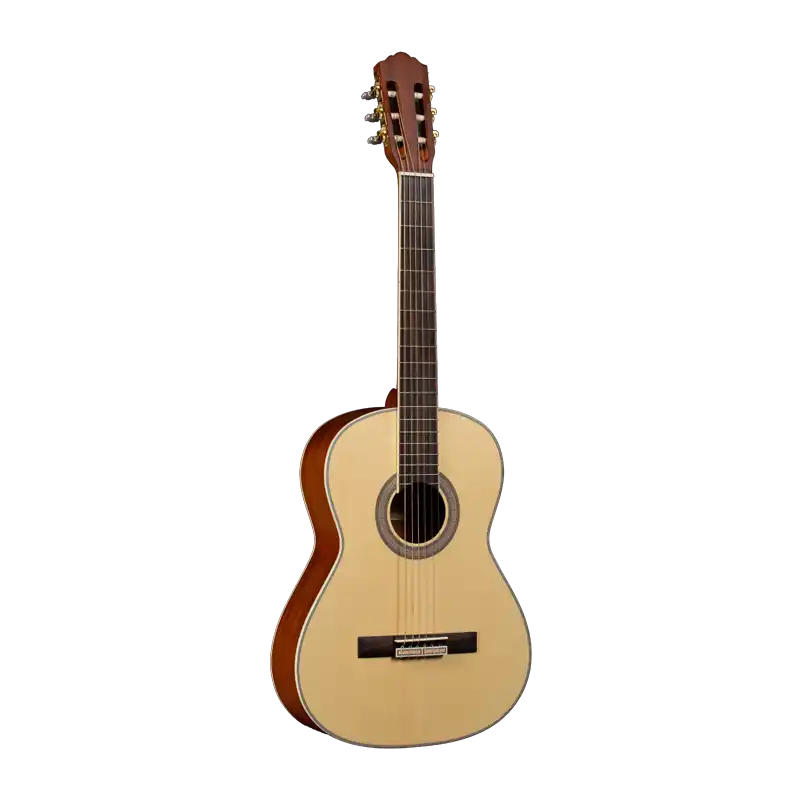
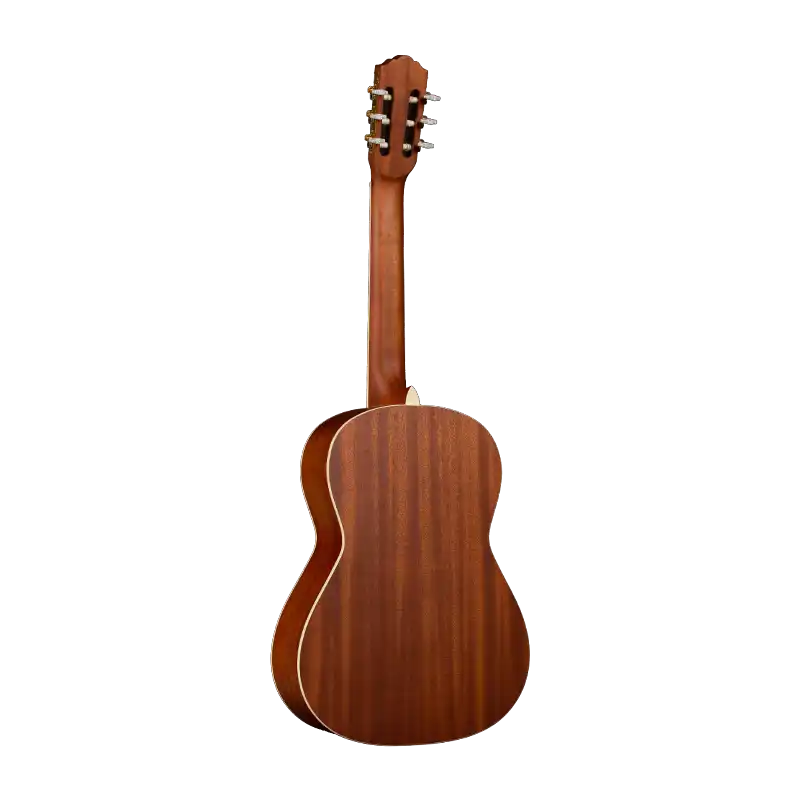
| Body Type / Size: | 39" Classical Guitar, Matte Finish |
|---|---|
| Top: | Laminated Spruce / Spruce Laminate |
| Back & Sides: | Laminated Mahogany / Mahogany Laminate |
| Fingerboard: | Rosewood |
| Bridge: | Rosewood |
| Strings: | ALICE Strings |


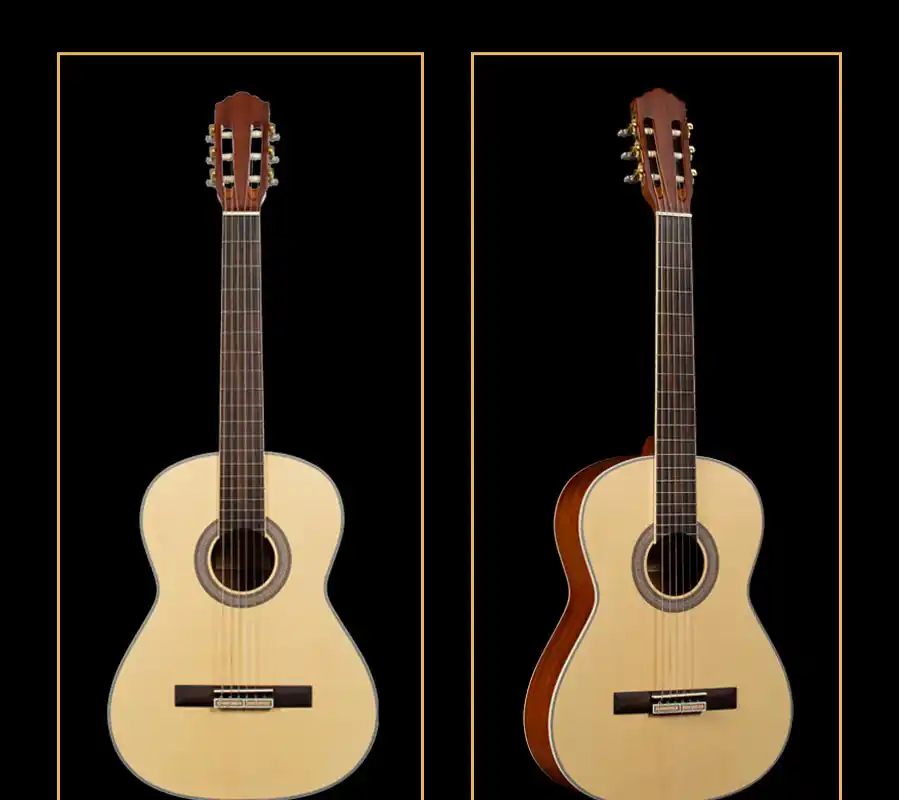
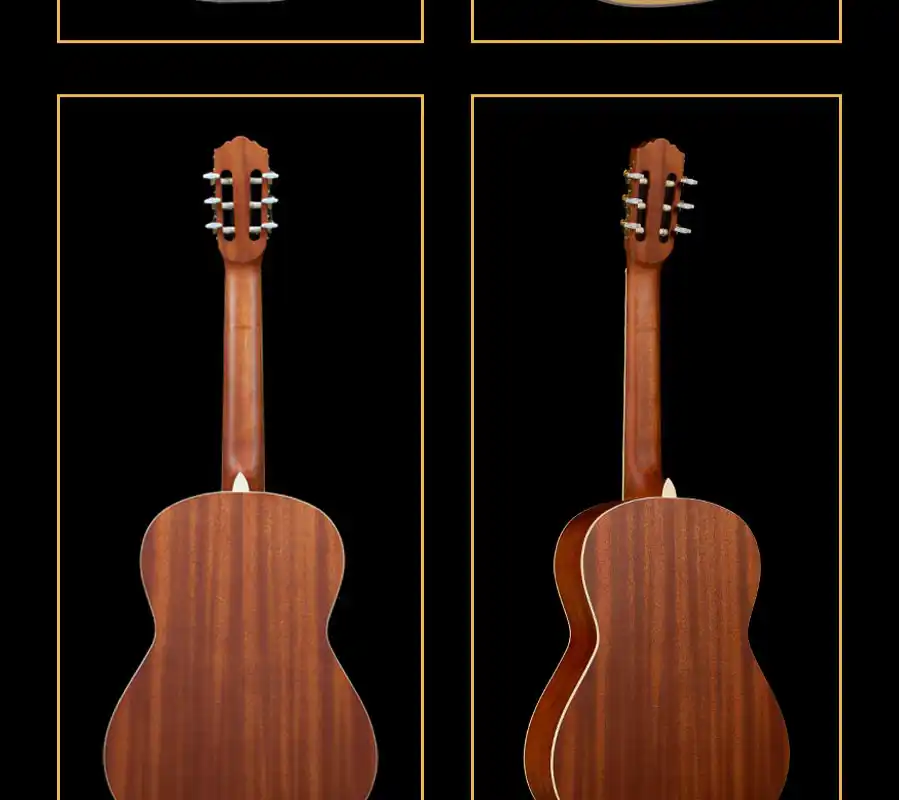

39 inch beginner classical guitar succeeds in B2B when it does two jobs at once: it helps first-time players start comfortably, and it helps buyers run a repeatable SKU across multiple shipments without “spec drift.” LC168-39 is positioned for distributors, school programs, retailers, and e-commerce sellers who need an entry model that is stable in handling, consistent in appearance, and simple to merchandise. In practice, the model that sells best is not the one with the most complicated story—it is the one that stays predictable when you reorder, re-photograph, re-list, and restock.
LC168-39 follows a practical beginner concept. A laminated spruce top supports a clear, direct response that works well for classroom fundamentals and entry-level chord practice. Laminated mahogany back and sides emphasize durability and structural stability for daily use, warehousing cycles, and export movement. The matte finish is an operational advantage: it tends to keep a cleaner visual impression under frequent handling, which is valuable for school fleets and retail walls where instruments are touched repeatedly. For a clean assortment ladder, place this item under Beginner Guitars so buyers can understand your entry tier without confusion.
At the merchandising level, this is the kind of 39 inch beginner classical guitar that works as a “default choice” for programs: easy to explain, easy to stock, and easy to bundle. For a neutral educational reference about the guitar family that supports customer education without overclaiming, a broad source like Encyclopaedia Britannica can serve as background. Then your product page can stay operational: consistent spec language, inspection alignment, and export-ready planning.
LC168-39 is built to protect the buyer’s workflow. The goal is not boutique uniqueness; it is catalog stability. When reorders behave consistently, you protect listings, reviews, and customer expectations across seasons—exactly what entry-tier wholesale programs need to scale.
39 inch beginner classical guitar buyers usually evaluate three questions in parallel: how it can be positioned, how it will hold up, and how consistent it will be when reordered. LC168-39 is configured to answer those questions with a materials story that is simple, stable, and repeatable for bulk supply. The laminated spruce top is selected for practical clarity and reliable structure. In beginner contexts, clean articulation matters because students need feedback: notes should speak clearly at modest dynamics without forcing the player to over-press or over-pluck.
The laminated mahogany back and sides reinforce stability for real-world logistics. In distribution environments, guitars may sit in cartons, move through warehouses, and travel across climate zones before reaching the end user. Laminated construction is often chosen in entry programs because it helps reduce short-term sensitivity to handling and environmental changes, supporting smoother receiving and fewer “unexpected variation” complaints. This is the difference between a product that looks good once and a product that stays consistent across multiple purchase cycles.
Rosewood contact points also support the entry positioning. A rosewood fingerboard improves tactile comfort for chord transitions, while a rosewood bridge provides a traditional and stable interface for string energy transfer. These are not luxury claims; they are predictable, widely understood components that help dealers explain value without exaggeration. For buyers who want neutral technical context about wood behavior in manufactured products, the USDA Wood Handbook is a widely recognized reference point.
Overall, LC168-39 is designed to keep the story straightforward: clear entry response, durable structure, and stable appearance. That clarity is exactly what makes a 39 inch beginner classical guitar easy to sell, easy to reorder, and easy to support at scale.
39 inch beginner classical guitar performance is often decided by day-one experience. Beginners do not judge an instrument by advanced nuance; they judge it by comfort, control, and whether it feels manageable in the hands. LC168-39 is built around that reality. The rosewood fingerboard supports a smooth touch for early chord shapes and basic scale practice, while the rosewood bridge provides stable function for typical entry use. The matte finish is also part of the “playability experience” in a B2B sense: it keeps the instrument looking tidy under frequent demos, which supports conversion on retail walls and reduces cosmetic dissatisfaction in high-traffic programs.
Factory-fitted ALICE strings help the instrument arrive ready for standard beginner use. From an operational standpoint, this matters: schools and retailers want a guitar that can be issued or displayed quickly without extra steps. E-commerce sellers also benefit because “ready-to-play out of the box” reduces post-purchase support questions and prevents avoidable returns caused by missing basics. The goal is not to promise a boutique setup; the goal is to deliver a consistent baseline that is predictable across units in a batch.
For B2B partners, the best path to higher conversion and higher average order value is bundling. A starter kit reduces friction by solving the buyer’s “what else do I need?” problem at the product page. You can standardize a practical kit—gig bag, spare strings, care cloth, and entry accessories—through Accessories. This approach protects SKU discipline while allowing channel-specific merchandising. Keep the core LC168-39 instrument stable, and tailor only the kit to fit your market (school packs, retail starter sets, or e-commerce-ready bundles).
When playability is predictable and packaging is coherent, a 39 inch beginner classical guitar becomes “program-ready”: it is easy to issue, easy to sell, and easy to reorder without operational surprises.
39 inch beginner classical guitar programs scale only when the buyer trusts that reorders will remain aligned with the original listing. Entry customers may be less technical, but they are not less sensitive to inconsistency—especially in appearance, basic feel, and packaging condition. LC168-39 is structured to support repeatability through two practical mechanisms: QC alignment and controlled customization. When these are managed, distributors and sellers can keep product photos, listing text, and buyer expectations stable across time.
For inspection alignment, connect buyers to the factory’s documented QC process. A shared checklist reduces ambiguity and speeds up receiving. Typical checkpoints for beginner programs include: cosmetic consistency for the matte finish, hardware function at the headstock, baseline playability checks, and carton condition standards. The objective is not to claim perfection; it is to ensure that the model remains consistent enough for bulk programs and repeat orders, keeping internal QC workload predictable.
For private label requirements—logo placement, carton marks, bundle naming, and standardized inserts—manage changes through OEM/ODM services. Controlled OEM helps prevent spec drift, which is the most common hidden cost in B2B catalogs. LC168-39 works best when the core instrument specification stays stable, while branding and packaging options are handled through a defined workflow. This keeps future shipments aligned with the original product page and protects reseller reputation across markets.
In entry tiers, consistency is still a competitive advantage. LC168-39 is designed to support that advantage: stable spec language, documented QC expectations, and OEM discipline that keeps listings accurate as volume grows for 39 inch beginner classical guitar buyers.
39 inch beginner classical guitar decisions are ultimately judged by landed reliability. LC168-39 supports export-ready packing expectations and can be planned within a 7–15 day delivery window for ready-stock configurations, depending on order quantity, packing schedule, and destination handling. Beginner programs often move larger volumes, which means the packaging standard must be repeatable, and carton labeling must be clear enough to reduce receiving errors and warehouse friction.
For logistics transparency, route buyers to Shipping/Delivery/Packaging so they understand protection methods and coordination steps. When pallets or wood packaging are involved, compliance requirements may vary by destination; a widely recognized reference is IPPC ISPM standards. Early alignment reduces delays and helps avoid costly rework at ports. In practice, the most successful bulk buyers define packaging expectations upfront, standardize labeling rules, and keep the SKU stable so that each reorder behaves like the last one.
Q: what is lc168-39 designed for?
A: lc168-39 is an entry 39" matte classical guitar for school programs, retail entry sales, and repeatable wholesale supply.
Q: why laminated spruce and laminated mahogany for beginners?
A: they prioritize stability and repeatability for shipping, daily handling, and consistent bulk reorders.
Q: can i bundle it as a starter kit?
A: yes. standardize gig bags, spare strings, and care items through the accessories catalog to increase conversion and order value.
Q: can i customize branding or packaging?
A: yes. private label, carton marks, inserts, and bundle definitions can be standardized through the oem/odm workflow.
Q: what delivery window should we plan for?
A: planning is commonly 7–15 days for ready-stock configurations, depending on quantity and shipping arrangements.