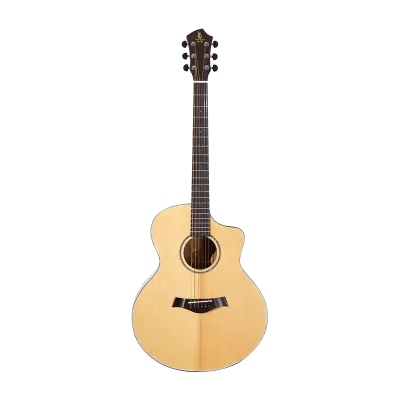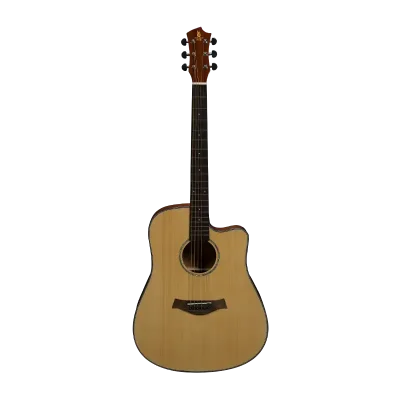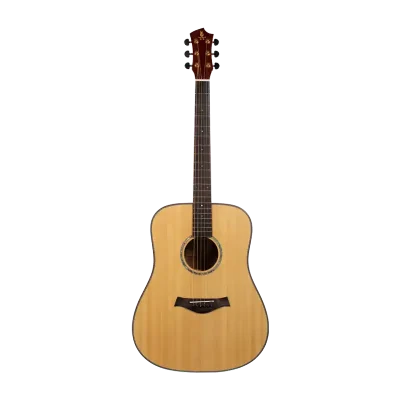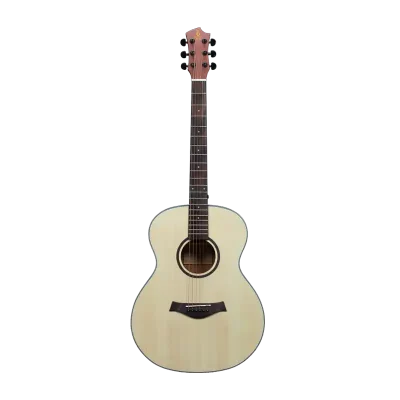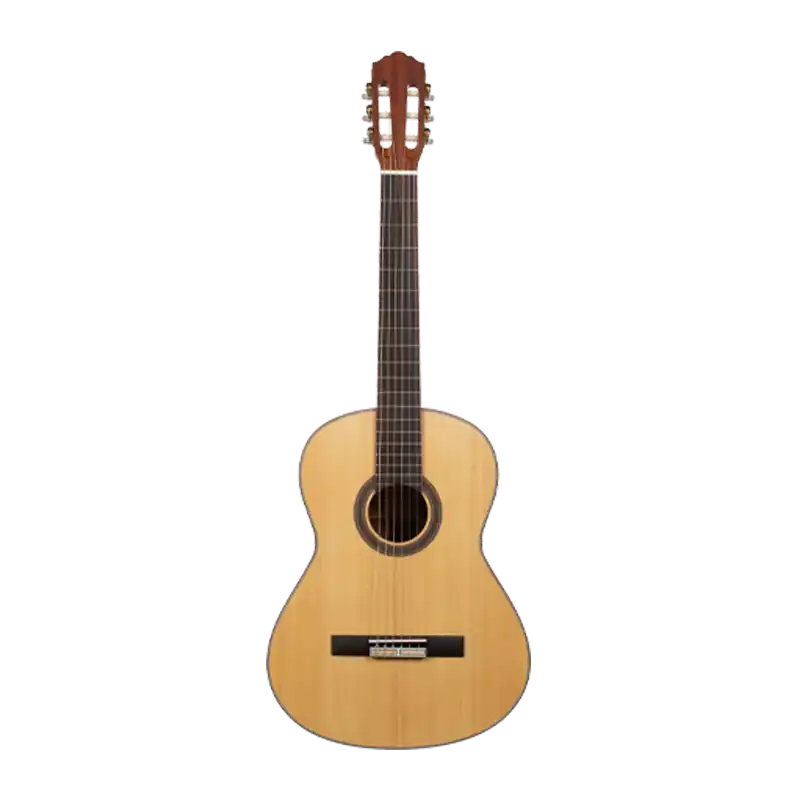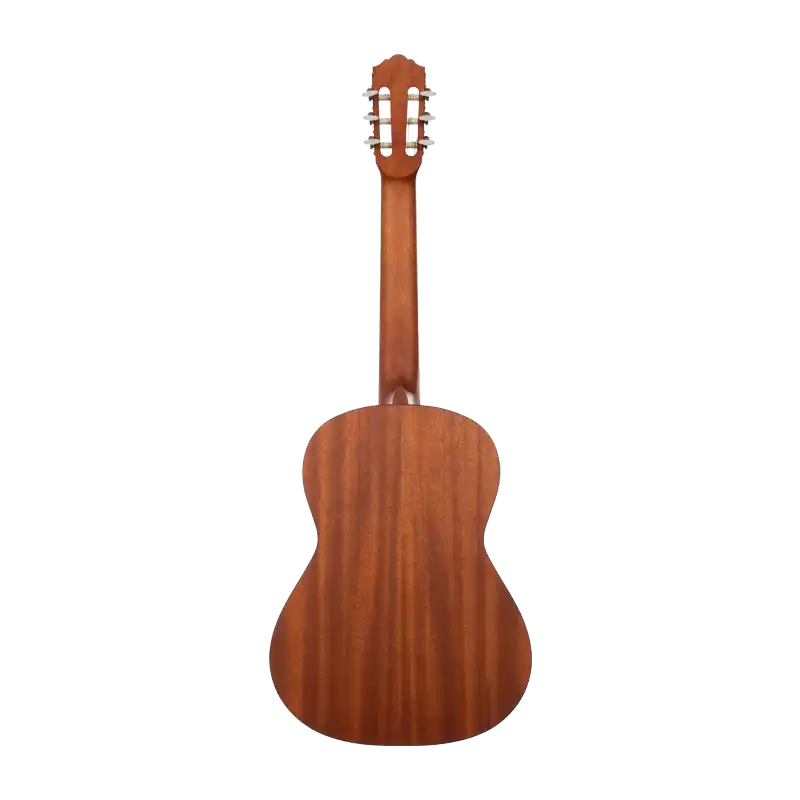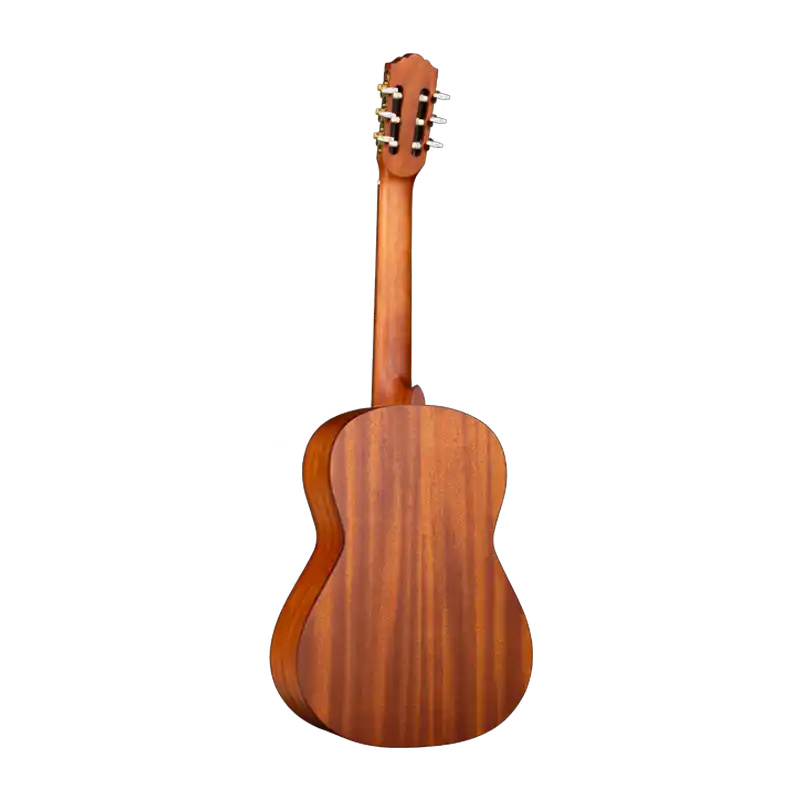














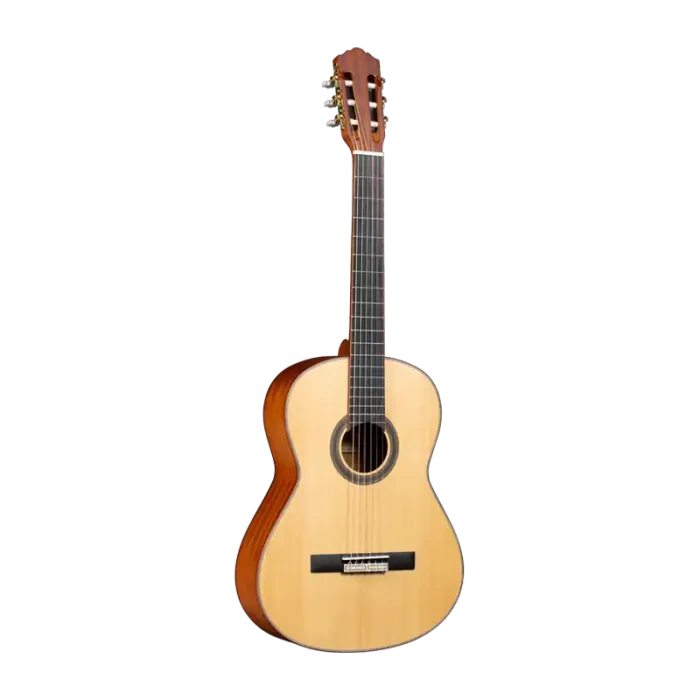
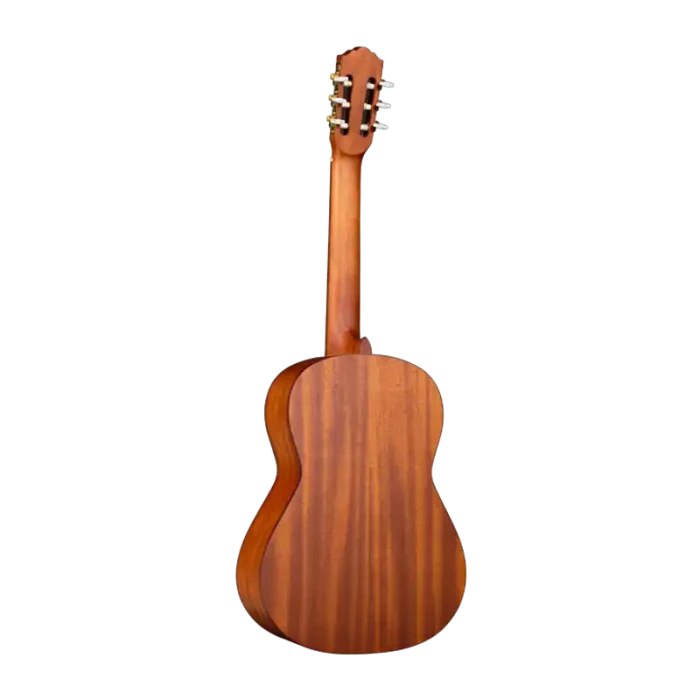
Surprisingly Warm 39 inch classical guitar: 7 Wins (LC278-39)


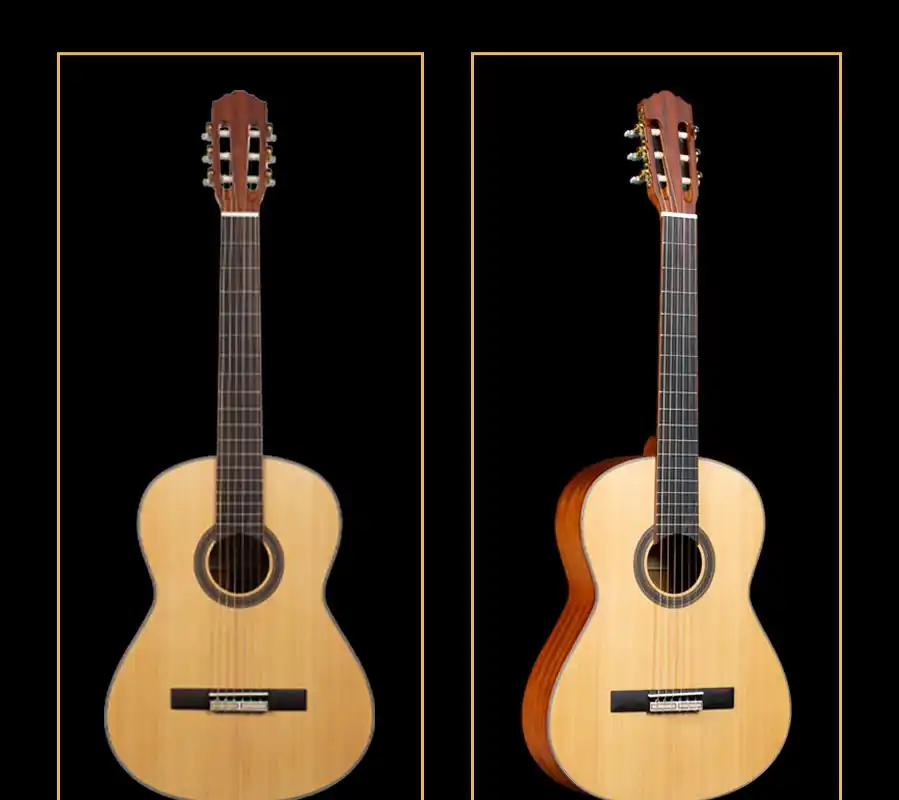
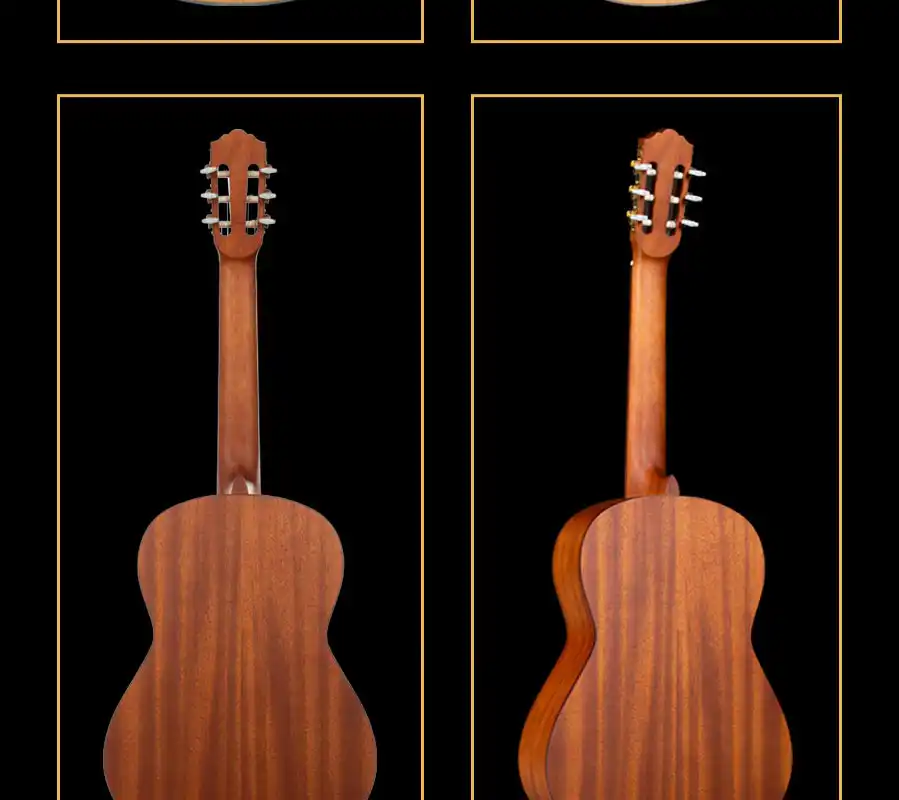

1) A 39" Classical Platform for Intermediate Programs
39 inch classical guitar buyers in the intermediate tier are usually purchasing for systems, not for a single personal instrument: music schools, teaching studios, distributors, and retail chains that need consistent batches and a dependable catalog story. This model is positioned to support that reality with a clean, matte visual profile and a specification mix that is easy to communicate to professional buyers. The goal is simple: reduce uncertainty at purchase time and reduce friction after delivery, especially when you are stocking multiple units for classroom sets, instructor-led programs, or seasonal retail promotions.
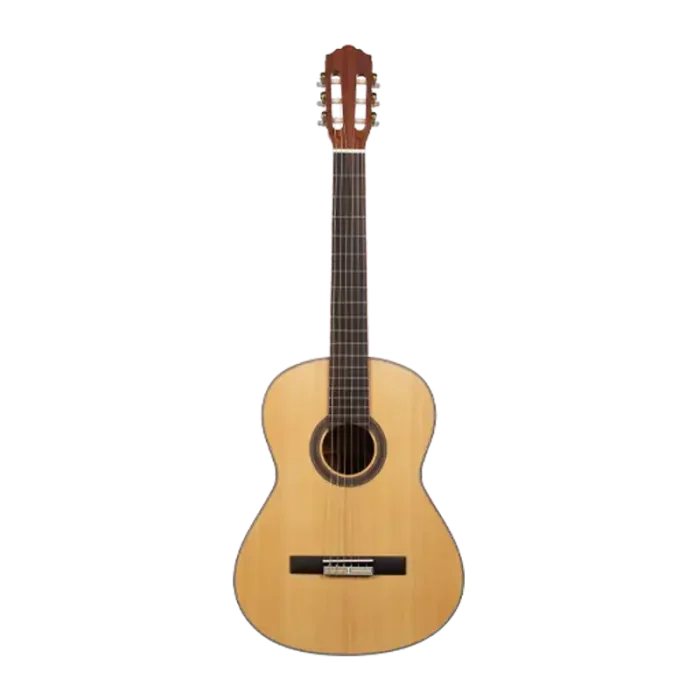
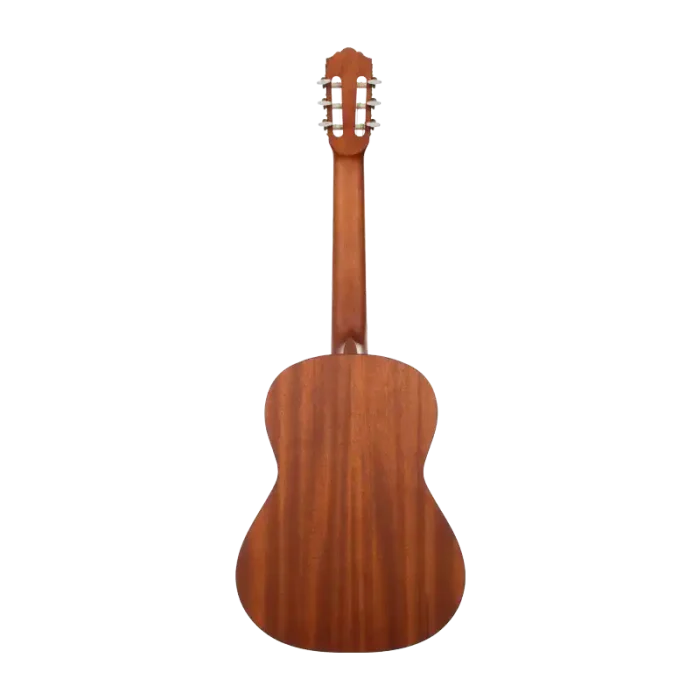
Unlike purely entry SKUs that compete on minimum cost, intermediate programs often prioritize a more refined response and a more stable playing feel. The solid spruce top is selected to support a warmer projection and clearer articulation for study routines, recital practice, and daily lessons. Meanwhile, mahogany plywood back and sides are chosen for durability and supply repeatability—important for bulk logistics, warehouse handling, and reorder consistency. A matte finish adds a practical advantage: instruments in schools and showrooms are touched constantly, and a finish that stays visually tidy helps maintain perceived value during demos and day-to-day use.
From a catalog structure perspective, keeping the product in the right tier reduces buyer hesitation. Position it within your Intermediate Guitars lineup so professional customers immediately understand the intended use-case: serious learning, stable restocking, and higher expectations than basic beginner sets. For buyers who want neutral background context when writing their own product education content, Encyclopaedia Britannica’s guitar overview provides a recognized reference point without forcing marketing claims into your product copy.
In short, this is a 39 inch classical guitar designed to be purchased in quantity, sold with confidence, and reordered without catalog drift—an operationally friendly choice for intermediate programs where consistency is a competitive advantage.
2) Material Logic: Solid Spruce Top with Durable Mahogany Body
39 inch classical guitar performance is shaped by both material intent and supply reality. Intermediate buyers typically want a more responsive top for clearer dynamics, but they also need predictable durability in transit and storage. This configuration balances those needs. A solid spruce top is used to support warm projection and a more articulate attack—useful for technique development, controlled practice volume, and the subtle phrasing that intermediate students begin to explore. At the same time, mahogany plywood back and sides improve durability and help keep supply stable across batches, which matters when you are stocking multiple units for programs and resellers.
Rosewood fingerboard and rosewood bridge add familiar contact points for classical technique. Players rely on consistent left-hand feel for chord shapes, scale routines, and position shifts; a stable fingerboard surface helps reduce the “inconsistent instrument” factor that can distract students. The bridge and string interface must also remain dependable for daily practice. Factory-fitted ALICE strings support a ready-to-play baseline for institutional buyers who want fewer preparation steps before issuing instruments to students.
For professional buyers who prefer claims grounded in recognized references—especially when they write specifications for tenders or procurement documents—a respected technical resource is the USDA Forest Products Laboratory Wood Handbook. It helps frame discussions about wood properties and manufactured wood products without overstating marketing language. This is particularly useful when your customers are importers and distributors who must justify material choices to downstream retailers or education administrators.
The net effect is practical: the instrument behaves like an intermediate learning platform while remaining durable enough for bulk handling. That is exactly what a 39 inch classical guitar should deliver in B2B channels—consistent feel, stable supply, and a specification story that remains credible across reorders.
3) Matte Finish, Classroom Readiness, and Starter-Kit Merchandising
39 inch classical guitar adoption in education and studio channels depends heavily on two factors that are often underestimated: how the instrument looks after repeated handling, and how easily the product can be sold as a complete solution. A matte finish is a straightforward operational advantage for programs and retailers. In classrooms, multiple students touch the same instrument every day; in showrooms, frequent demos can quickly reveal fingerprints and micro-marks. A matte surface typically remains visually tidy and helps the product stay presentable through high-contact usage, which improves resale confidence and reduces cosmetic complaints.
Intermediate programs also benefit from a stable “ready-to-issue” baseline. With rosewood fingerboard and bridge, plus factory-fitted ALICE strings, the instrument is prepared for typical teaching routines and practice schedules. This does not replace final setup preferences by different schools or dealers, but it does reduce the amount of pre-delivery work required to get a batch into service. That matters when you are supplying dozens or hundreds of units on a fixed calendar, such as semester launches or seasonal retail promotions.
For B2B growth, bundling is the most reliable conversion lever because it increases clarity and reduces buyer hesitation. Many institutional and retail buyers want to purchase “a usable set,” not just a guitar body. Build standardized packages—gig bag, spare strings, care cloth, beginner-friendly accessories—and keep them consistent across channels. You can assemble these bundles via Accessories to create tiered starter options (basic classroom kit, studio kit, retail gift-ready kit). Standardization reduces support tickets (“what else do we need?”) and increases average order value without changing the core SKU.
When presentation stays clean and the offer is packaged clearly, the 39 inch classical guitar becomes easier to sell, easier to issue, and easier to reorder—exactly the operational profile that intermediate programs want.
4) QC Alignment and OEM Discipline for Consistent Reorders
39 inch classical guitar profitability in wholesale often depends on preventing spec drift. If later batches look different, feel different, or arrive with inconsistent packaging, your product photos and catalog language stop matching reality. That increases buyer questions, slows reorders, and elevates return risk. The remedy is disciplined QC alignment and controlled OEM execution—especially important for intermediate-tier buyers who care about repeatability.
Align expectations upfront by referencing your inspection and craft framework through QC / Craft. The purpose is not to claim perfection; it is to define checkpoints so receiving becomes faster and disputes become rarer. Typical checkpoints for institutional classical guitars include: consistent matte finish appearance, clean hardware function at the headstock, stable fingerboard feel, string seating at the bridge, and protective packaging integrity. When these checkpoints are pre-agreed, importers and distributors can implement sampling rules and scale procurement with fewer “case-by-case” negotiations.
For private label needs, avoid ad-hoc changes that create drift. Use a controlled process via OEM/ODM service to standardize branding, carton marks, inserts, barcode planning, and kit naming. This helps your buyers keep retail listings consistent and allows education customers to manage inventory with fewer complications. OEM discipline is also how you protect long-term reviews and seller ratings: customers receive what the listing promised, shipment after shipment.
In intermediate segments, credibility is a differentiator. A 39 inch classical guitar that arrives consistently and supports repeat procurement is more valuable than a model that wins on claims but loses on execution. This product is structured to support the business reality: stable QC expectations and controlled OEM options that scale.
5) Packaging, 7–15 Day Planning, and English FAQ
39 inch classical guitar projects are judged by landed reliability, not by factory-floor intention. That is why shipping discipline and planning clarity matter. This model supports practical lead-time planning—typically 7–15 days depending on order structure, packaging requirements, and shipping arrangements. Intermediate-tier buyers often coordinate multiple destinations (schools, retail branches, regional warehouses), so consistent carton labeling and protective packing are essential to prevent receiving errors and reduce damage risk during handling.
For packaging and logistics coordination, align expectations through Shipping / Delivery / Packaging. When wood packaging or pallets are involved, destination compliance may require phytosanitary standards. A recognized international reference is the IPPC ISPMs, which helps importers reduce avoidable delays tied to packaging compliance. Using recognized standards makes your supply chain more predictable and reduces the risk of last-minute documentation issues.
Channel fit remains clear: music schools use it for intermediate sets that stay visually clean; studios use it as a reliable teaching platform; distributors and retailers use it for consistent restocking and bundle sales. Placed within your Intermediate Guitars category, the product reads professionally and supports procurement workflows without over-explaining. This is how a 39 inch classical guitar should function in B2B: stable specification, credible presentation, and supply planning that supports growth.
FAQ (English)
Q: Who is this 39 inch classical guitar designed for?
A: It is designed for intermediate programs, music schools, teaching studios, and wholesale buyers who need consistent batches and reliable reorders.
Q: Why choose a solid spruce top for an intermediate classical guitar?
A: Solid spruce supports warmer projection and clearer articulation for study routines, while remaining practical for program use.
Q: Can this model be sold as a starter kit?
A: Yes. Standardize a bundle with gig bags, spare strings, and care items via Accessories to increase conversion and simplify purchasing.
Q: Do you support OEM/ODM branding?
A: Yes. Branding, carton marks, inserts, and kit naming can be standardized through the OEM/ODM workflow.
Q: What lead time should buyers plan for?
A: Typical planning lead time is 7–15 days depending on order structure, packing requirements, and shipping arrangements.