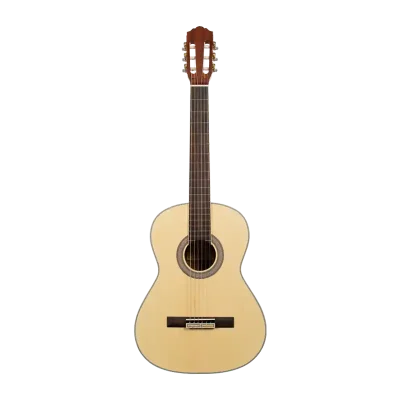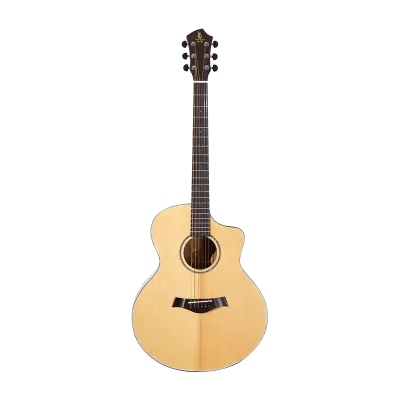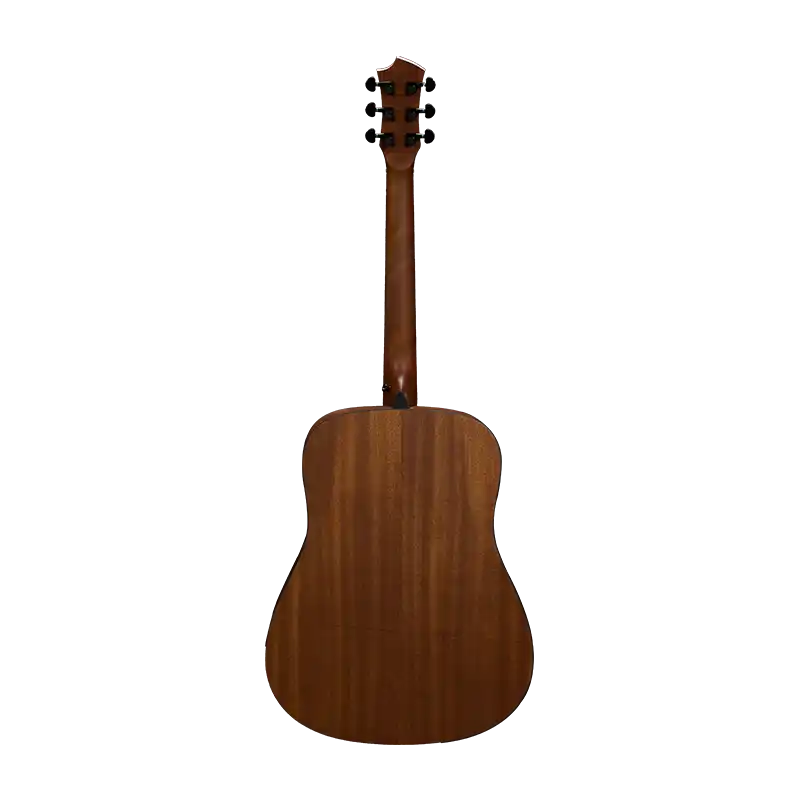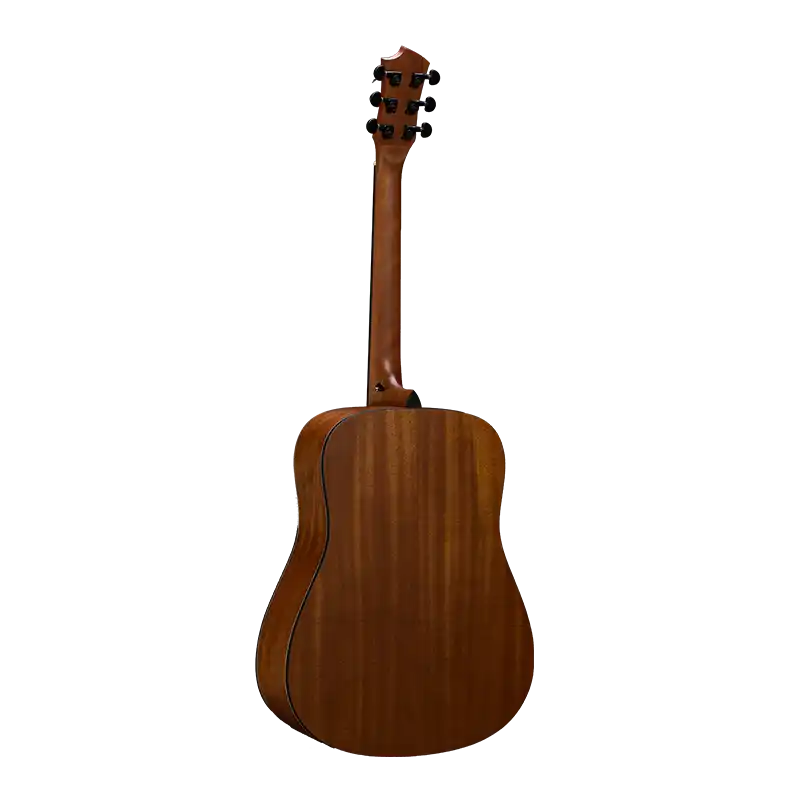



















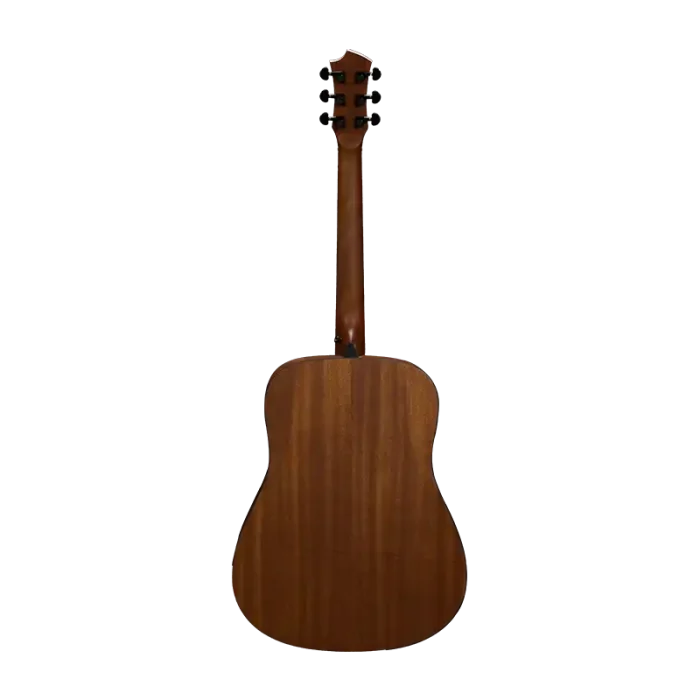

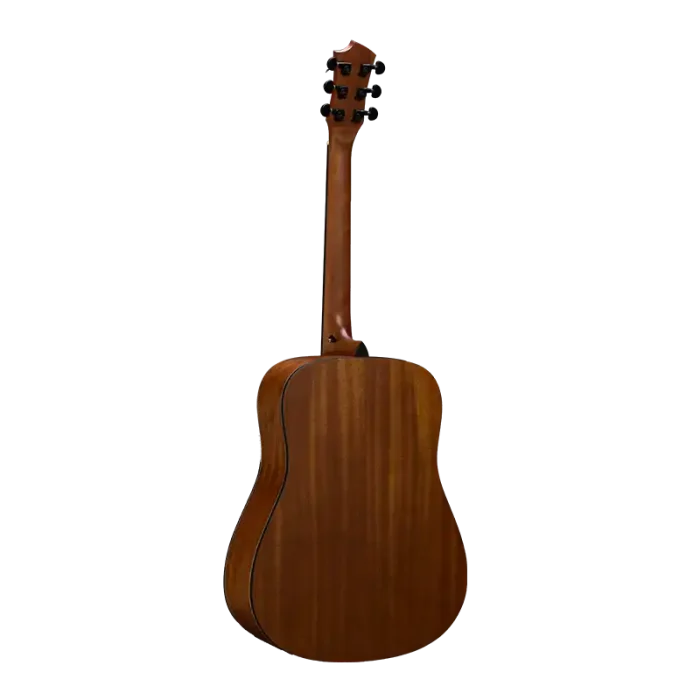

Surprisingly Strong 41" Beginner Acoustic Guitar (LF168-41)


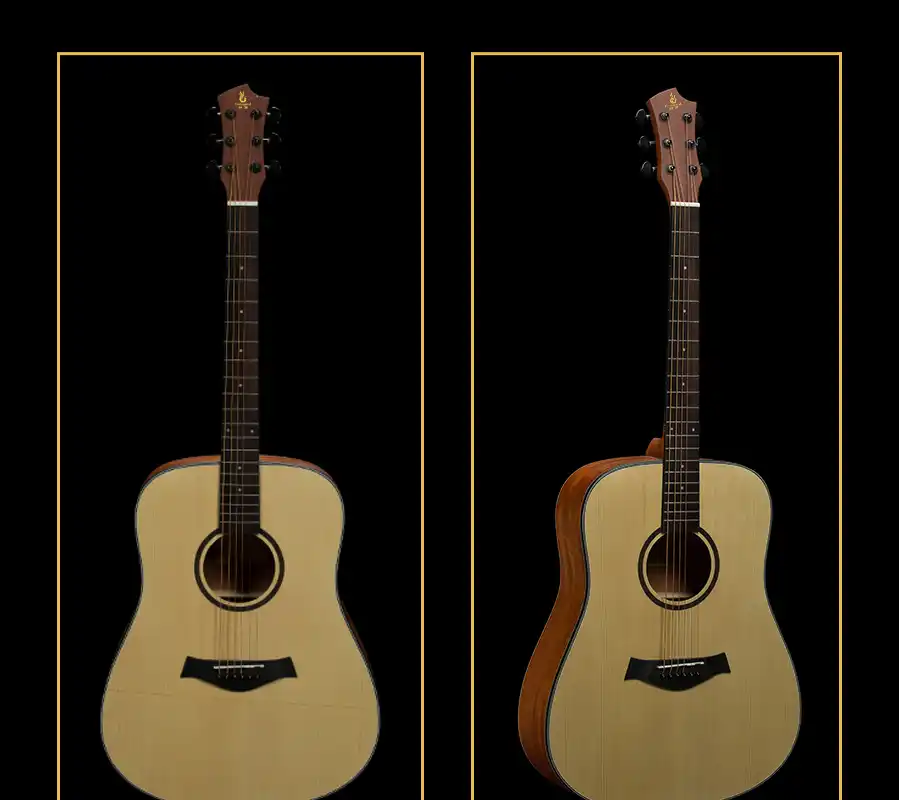
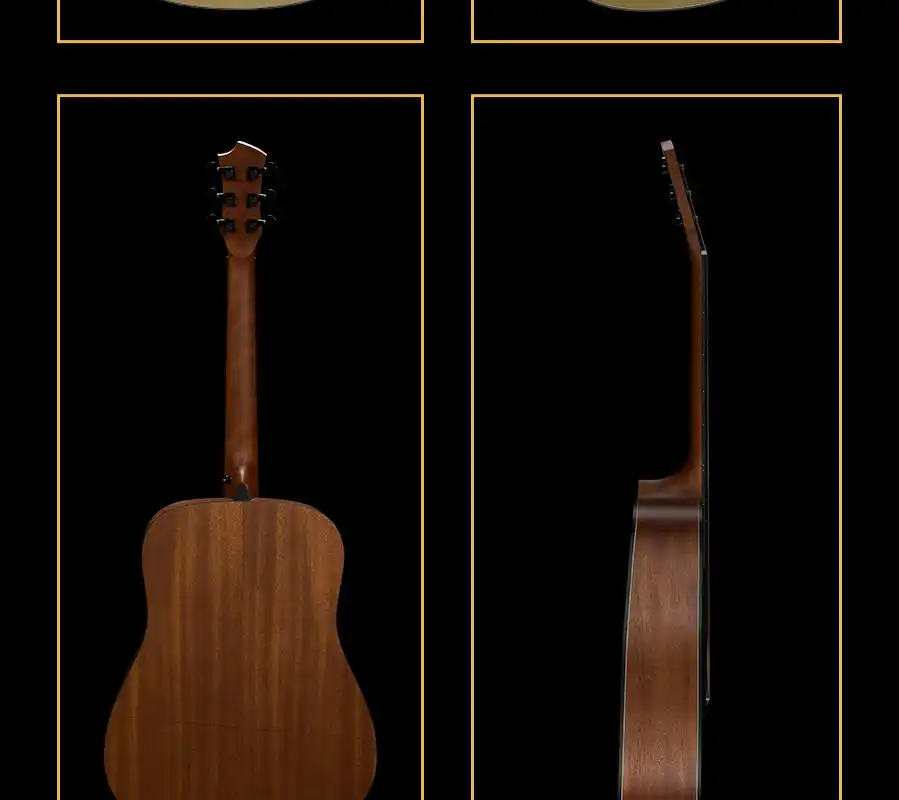

1) A Stable Entry SKU for Schools, Retail, and Reorders
41 inch beginner acoustic guitar success in B2B is built on repeatability: the instrument must reorder cleanly, arrive consistently, and support stable listings across multiple shipments. This model is positioned for school programs, training centers, retail entry walls, and e-commerce sellers who prioritize predictable specifications and low-friction merchandising. The matte natural finish is selected for practical reasons—entry instruments are handled frequently, and a finish that stays visually tidy helps reduce cosmetic dissatisfaction in classrooms and stores.
From an assortment perspective, the clearest way to sell an entry model is to anchor it in the correct tier and keep the story simple. Place this item within your Beginner Guitars range so buyers immediately understand it as a starter-focused SKU. That category context reduces buyer hesitation, speeds up approvals, and makes it easier to standardize future reorders. When your entry tier is consistent, you protect your catalog structure and make bulk buying decisions easier for importers and distributors.
At the specification level, the design focuses on stable materials and familiar touch points rather than fragile “boutique” behavior. A laminated spruce top and mahogany plywood body emphasize durability for daily practice and shipping. Rosewood fingerboard and bridge provide a widely recognized feel for beginner playability. For a neutral educational reference about the guitar as an instrument family, buyers can consult Encyclopaedia Britannica, while your listing stays operational: consistent spec language, reliable supply planning, and clear channel fit.
The result is a 41 inch beginner acoustic guitar that is easy to list, easy to stock, and easy to reorder—exactly what high-volume entry programs require.
2) Material Logic for Bulk Stability: Laminated Spruce + Mahogany Plywood
41 inch beginner acoustic guitar buyers typically weigh stability, durability, and consistent appearance more heavily than rare features. This configuration uses a laminated spruce top to support repeatable structure and dependable response for entry-level learning. In bulk channels, laminated tops are commonly chosen because they help maintain consistent behavior across batches and provide a practical balance between tone, durability, and predictable receiving outcomes.
Mahogany plywood back and sides reinforce the instrument for real-world logistics. Bulk cartons may travel across climate zones, sit in warehouses, and be handled repeatedly before reaching end users. A durable body build helps reduce avoidable variation complaints and supports smoother inventory cycles. For schools, this means the fleet stays more uniform. For retailers and online sellers, it means fewer post-sale issues and fewer support tickets tied to unexpected differences between units.
Rosewood fingerboard and rosewood bridge add familiar, explainable value at the contact points. These components help maintain a consistent feel for chord transitions and routine practice, which is critical for beginner retention. For buyers who want neutral technical background on wood behavior and material properties in manufactured products, the USDA Forest Products Laboratory Wood Handbook is a widely recognized reference. It can support professional discussions without relying on exaggerated claims.
Overall, the material logic is simple: stable construction, durable handling, and repeatable outcomes—key factors for a 41 inch beginner acoustic guitar intended for bulk supply and steady resale.
3) Beginner Playability and “Ready-to-Sell” Baseline for Starter Kits
41 inch beginner acoustic guitar buyers often judge value by day-one experience: comfort, basic control, and whether the instrument looks clean after handling. This model is configured to support that baseline. Rosewood fingerboard provides a familiar surface for early chord work and practice routines, while the rosewood bridge offers stable function for typical beginner string tension. Factory-fitted ALICE strings help the guitar arrive usable for standard entry needs, which is valuable for classrooms, retail display, and e-commerce fulfillment where “ready-to-play” reduces friction.
Matte natural finish supports both usability and merchandising. In stores, customers handle instruments frequently; in schools, guitars may be shared among students; in online channels, units move through packing steps that can quickly reveal cosmetic marks. Matte surfaces generally remain visually tidy under repeated contact, helping the product maintain perceived value and making re-photography easier for sellers who scale listings across marketplaces.
For B2B partners who want higher conversion and higher average order value, bundling is the simplest growth lever. Define a standardized starter set—gig bag, spare strings, care cloth, and basic accessories—then sell it as a clear “everything you need” package. You can build consistent bundles through Accessories. This approach keeps the core instrument stable while letting you tailor the bundle for different channels (school packs, retail starter kits, or e-commerce bundles).
When playability and presentation are predictable, a 41 inch beginner acoustic guitar becomes program-ready: easy to issue, easy to sell, and easy to reorder.
4) QC Alignment and OEM/ODM Control to Protect Listing Consistency
41 inch beginner acoustic guitar listings stay profitable when reorders remain aligned with the original product page. The hidden cost in wholesale is “spec drift”—when later batches vary in appearance, hardware feel, or packaging, your photos and buyer expectations no longer match. This is why repeatability requires both QC alignment and controlled customization.
To standardize expectations, direct wholesale buyers to QC / Craft so checkpoints are understood in advance. Typical beginner-program checkpoints include consistent matte appearance, hardware function at the headstock, baseline playability checks, and packaging integrity standards. Shared checkpoints shorten receiving time and reduce disputes, especially when importers manage multiple destinations or warehouses.
For private label needs, use a controlled workflow rather than ad-hoc changes. Through OEM/ODM service, buyers can standardize logo placement, carton marks, inserts, barcode planning, and bundle naming while keeping the core specification stable. The practical benefit is strong: your product listings stay accurate, replenishment becomes easier, and customer reviews remain consistent across time.
In entry tiers, consistency is a competitive advantage. This 41 inch beginner acoustic guitar is designed to preserve that advantage through clear QC alignment and disciplined OEM execution.
5) Packaging, 7–15 Day Planning, and English FAQ
41 inch beginner acoustic guitar programs are ultimately judged by landed reliability. This model supports practical planning for bulk supply, including a typical 7–15 day lead-time framework depending on order structure, packing schedule, and shipping arrangements. In entry segments, packaging discipline matters because it reduces damage risk and improves warehouse handling speed. Clear carton labeling and consistent protection help importers and distributors control downstream costs and maintain predictable delivery performance.
For packaging methods and shipping coordination, align expectations through Shipping / Delivery / Packaging. When pallets or wood packaging are involved, destination rules may require phytosanitary compliance; a widely recognized reference for international standards is the IPPC ISPMs. Using recognized standards supports smoother import processes and reduces avoidable delays.
Channel fit is straightforward: schools use it for consistent beginner sets, retailers use it as a reliable entry model that can be bundled for better margins, and e-commerce sellers use it as an “easy decision” listing where stable specs matter more than niche features. When you keep it aligned with your Beginner Guitars lineup, the 41 inch beginner acoustic guitar becomes a predictable reorder engine.
FAQ (English)
Q: What is this 41 inch beginner acoustic guitar designed for?
A: It is designed for school programs, retail entry sales, and repeatable wholesale supply where consistency and easy merchandising matter.
Q: Why use a laminated spruce top and mahogany plywood body?
A: These materials prioritize stability and repeatability for bulk shipments, daily handling, and consistent reorders.
Q: Can I bundle it as a starter kit?
A: Yes. Standardize gig bags, spare strings, and care items via the Accessories catalog to improve conversion and increase order value.
Q: Do you support OEM/ODM customization?
A: Yes. Branding, carton marks, inserts, and bundle definitions can be standardized through the OEM/ODM workflow.
Q: What lead time should we plan for?
A: Typical planning lead time is 7–15 days depending on order structure, packing requirements, and shipping arrangements.