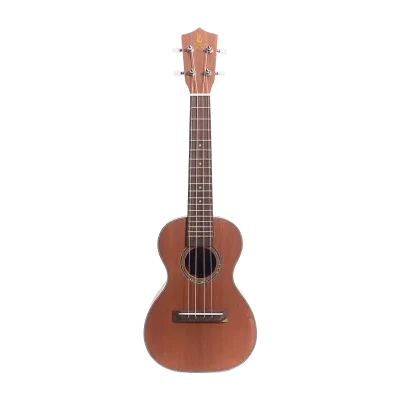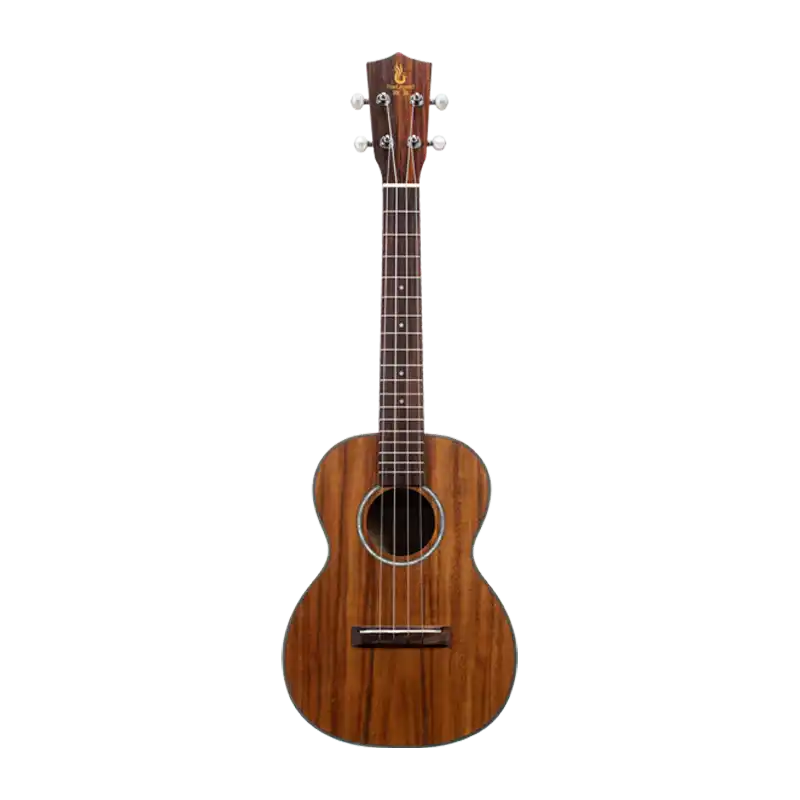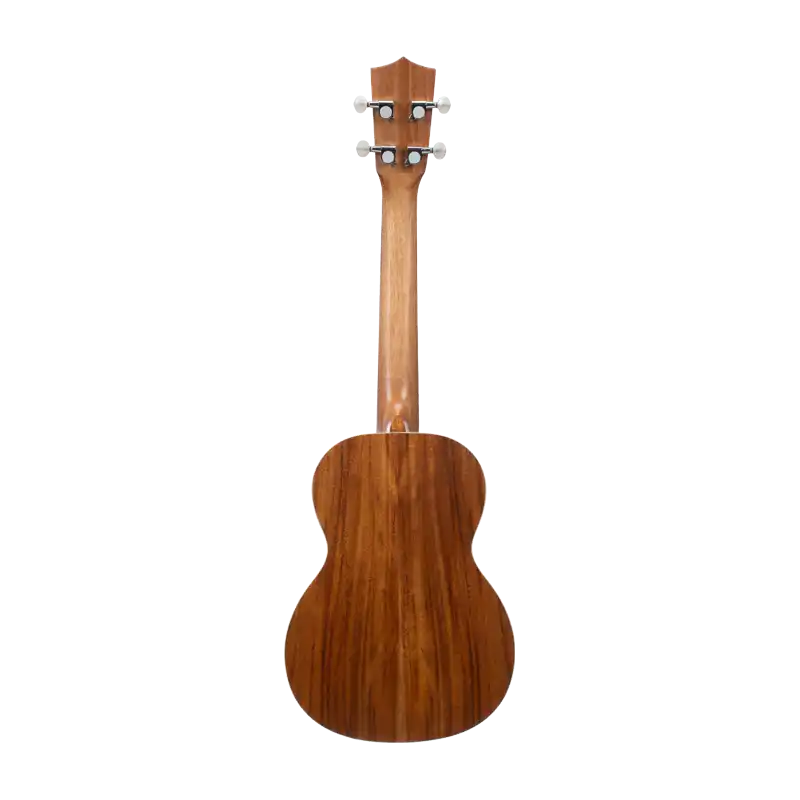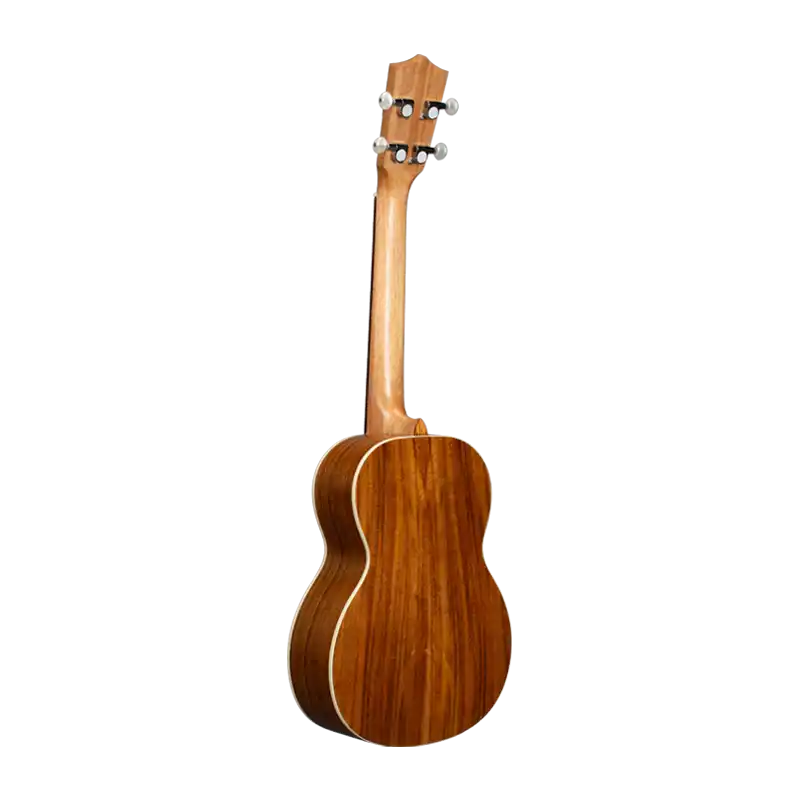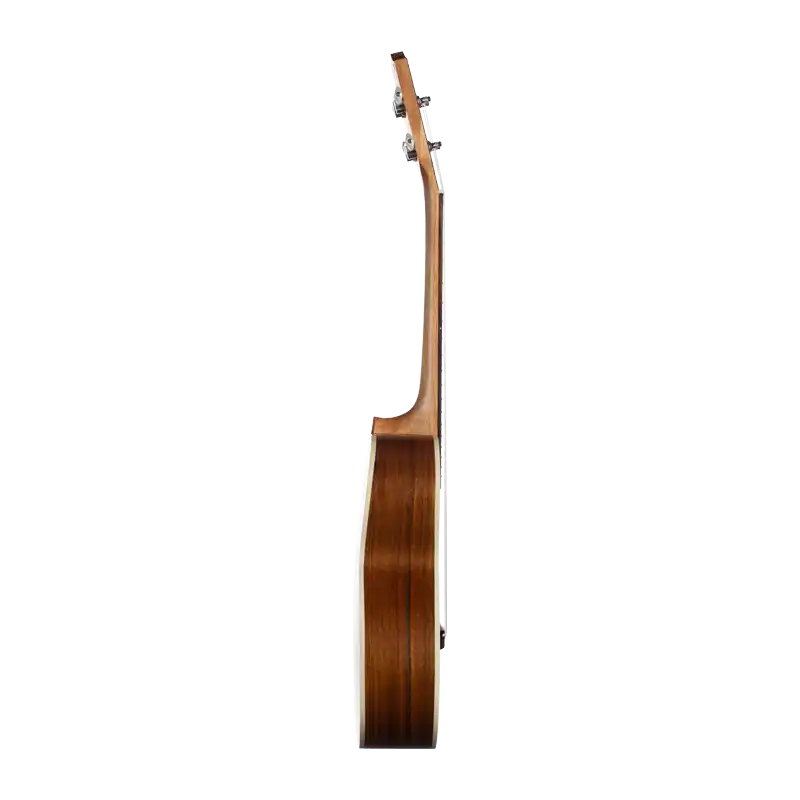













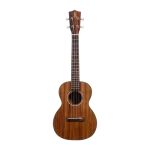
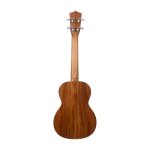
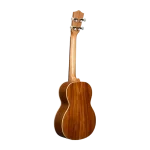
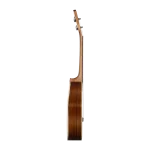
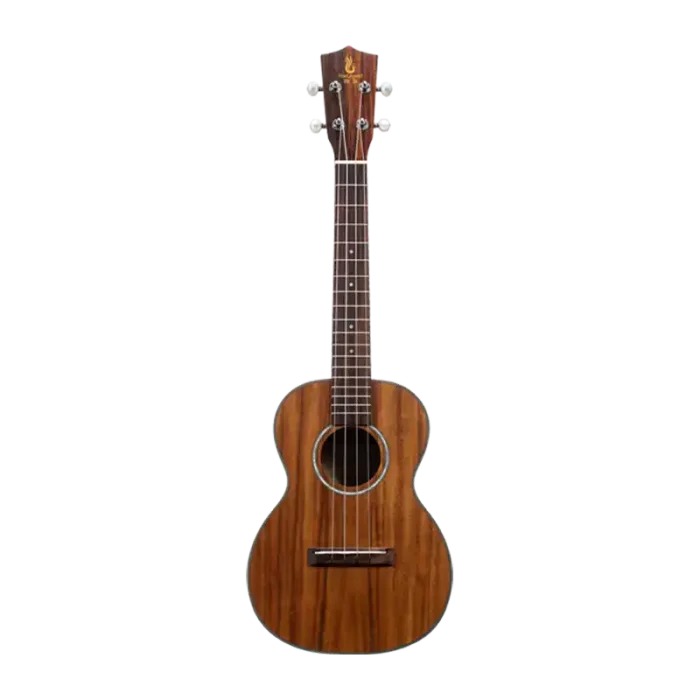
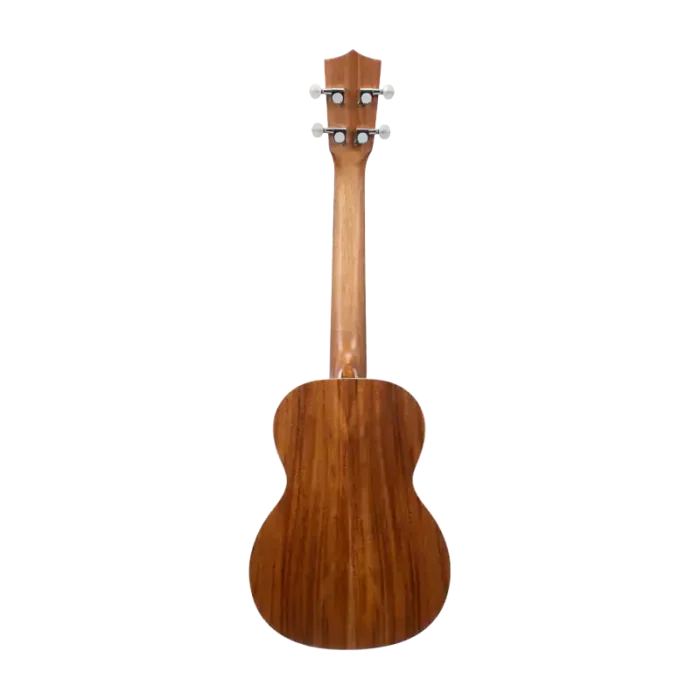
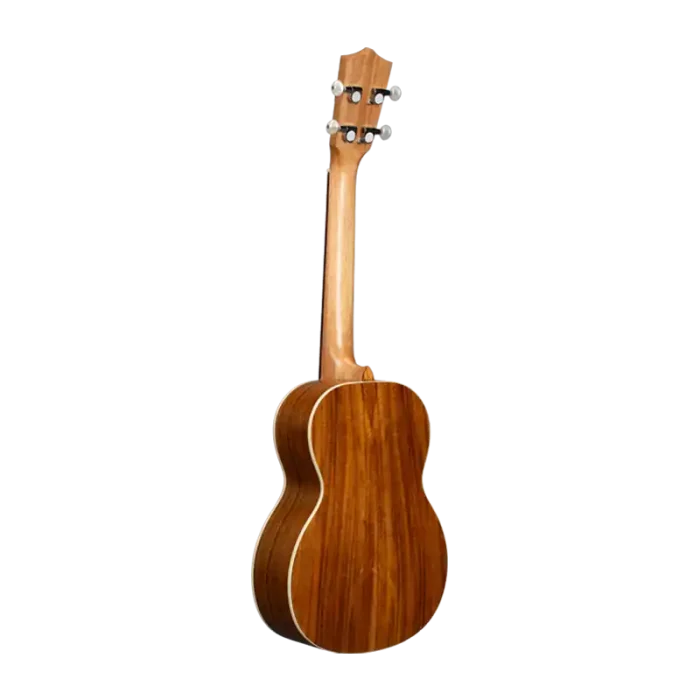
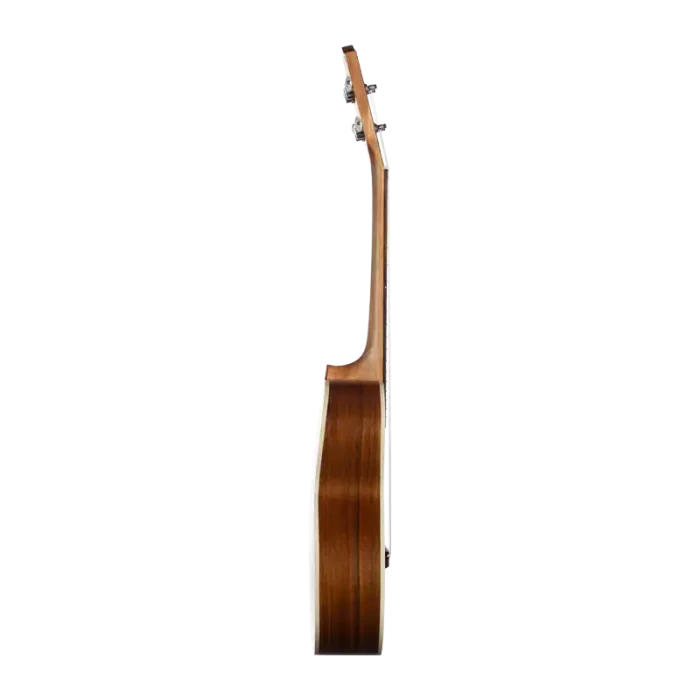
Worry-Free Tone: Acacia Ukulele (LU178-26)

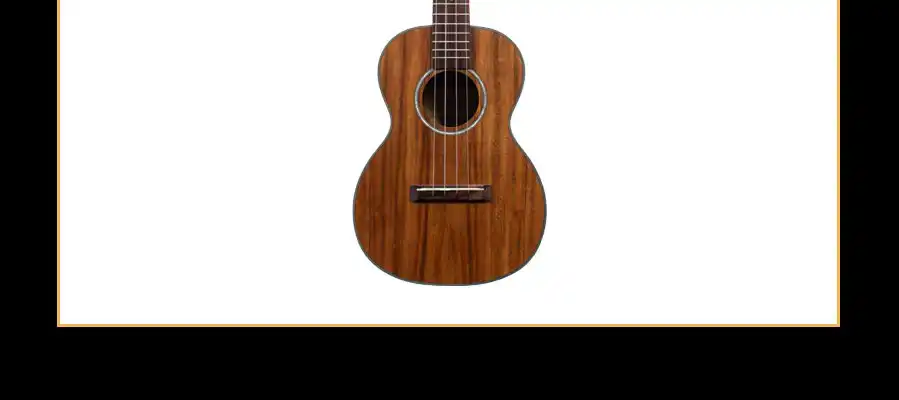
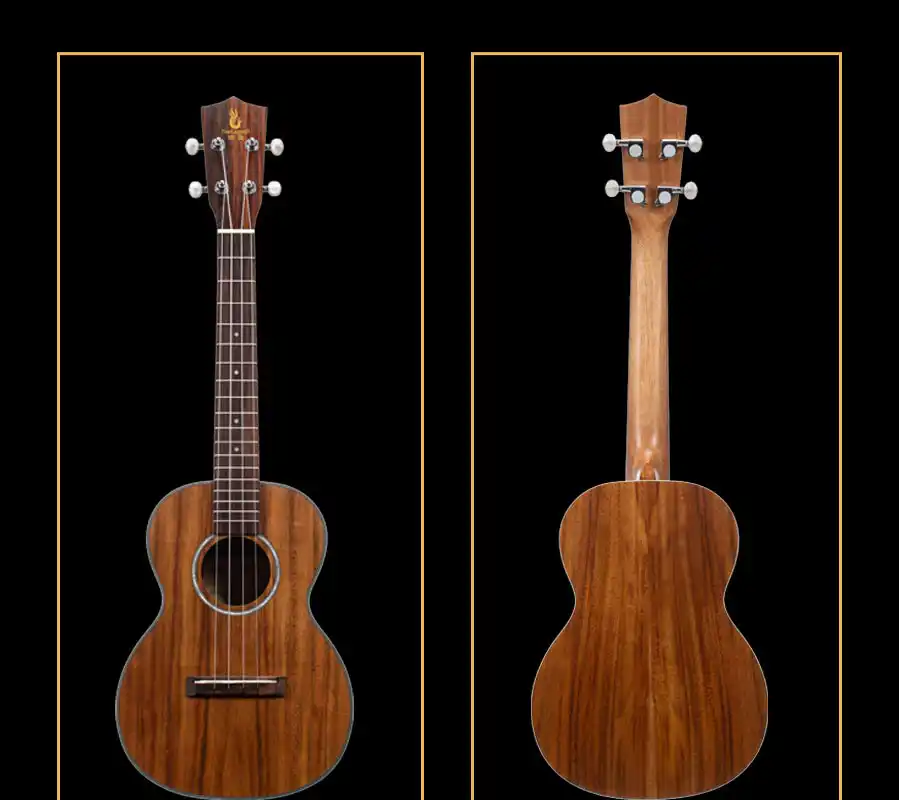
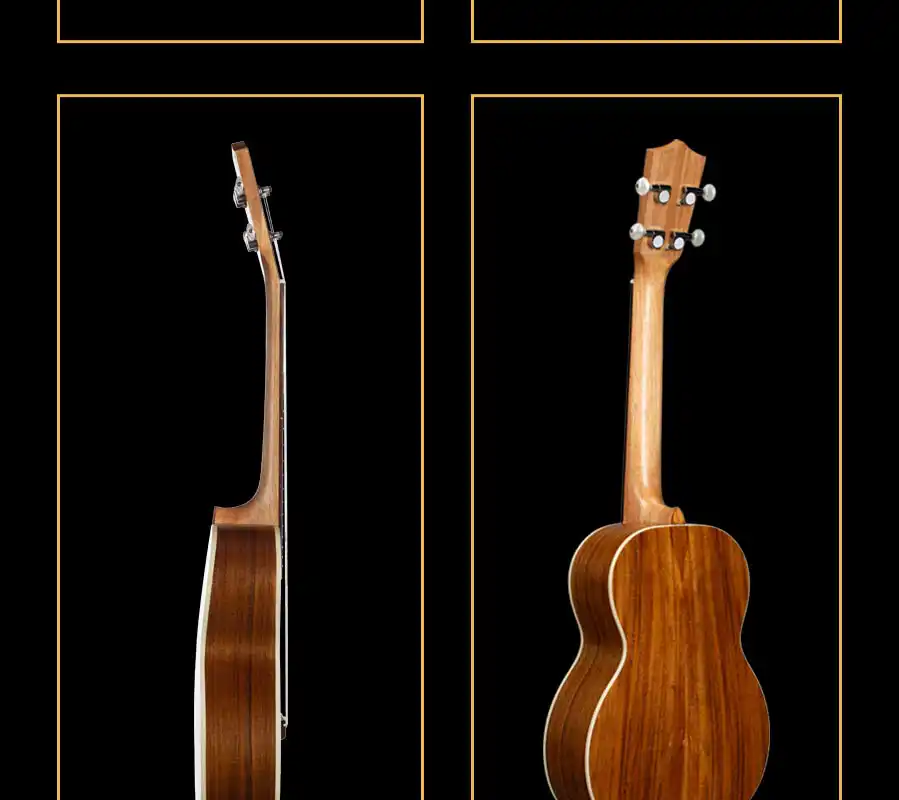

Acacia Ukulele Designed for Warm Tone and Reliable B2B Stock
An Acacia Ukulele is a smart way to offer customers a warm, visually distinctive instrument without adding complexity to your inventory. This model uses laminated acacia for the top, back, and sides, chosen for durability and consistency in everyday handling. For wholesale buyers, stability matters just as much as sound: laminated construction is widely preferred when instruments will travel, sit in storage, or be played by many hands in retail and classroom settings. The look of acacia is often described as modern and warm, which helps the instrument stand out on a product grid while still feeling “classic” enough for broad appeal.
A mahogany neck supports a familiar playing feel, and rosewood is used for both the fingerboard and the bridge. The rosewood fingerboard provides a smooth surface for comfortable fretting, while the rosewood bridge offers a stable anchor point for the strings. Together, these components support a dependable setup that beginners and casual players can enjoy without fuss. This is especially important in B2B contexts, where reducing returns and support questions protects your margins and your reputation.
For customers who want complete starter bundles, you can add practical essentials from our Accessories collection—cases, straps, spare strings, and care items that turn a single instrument into a ready-to-sell kit. Bundling is one of the simplest ways to increase order value while improving the first-week experience for end users.
For a credible overview of the ukulele’s background and common playing contexts, Encyclopaedia Britannica provides a reliable reference: https://www.britannica.com/art/ukulele. This Acacia Ukulele is positioned to be easy to stock, easy to sell, and easy to reorder—built around practical stability and warm musical results.
Laminated Acacia Body: Durable Response for Daily Strumming
An Acacia Ukulele made with laminated acacia body panels is designed for real-world use, where instruments are picked up often and stored in varied environments. Laminated construction is valued for its resistance to humidity swings and its ability to maintain consistency across production batches. For wholesalers and importers, that consistency makes purchasing decisions easier because the product behaves predictably—unit after unit—rather than varying widely from one shipment to the next.
Tonally, the laminated acacia body aims for a balanced, warm voice suitable for strumming and singing. The sound is intended to be friendly and encouraging, helping new players develop steady rhythm without feeling punished by harsh response. A mahogany neck keeps the feel stable and familiar, while rosewood on the fingerboard supports smooth movement for chord changes. The rosewood bridge helps maintain stable string anchoring, supporting a setup that feels dependable during practice and light performance.
If you need credible institutional context around musical instruments and materials in a broader cultural sense, the Smithsonian’s resources can be helpful for general reference: https://www.si.edu/. While not a specification guide, it reinforces why certain wood choices remain popular across instrument families.
The key advantage here is practical: laminated acacia helps reduce surprises in shipping, storage, and day-to-day handling. For B2B catalogs, that reliability is often the difference between a product that sells smoothly and a product that generates avoidable after-sales work.
Factory-Direct Options for Wholesale, OEM, and Consistent Reorders
An Acacia Ukulele is most valuable when it can be reordered with confidence. This model is positioned for factory-direct B2B supply, focusing on repeatable specifications and an inventory-friendly configuration. Distributors and retailers often prefer models like this because they are easy to list and easy to explain: laminated acacia body for durability, mahogany neck for familiar feel, and rosewood fingerboard and bridge for stable contact points. The result is a product that fits multiple channels—online retail, classroom programs, and in-store bundles—without needing constant changes.
For importers who require private labeling, custom packaging, or standardized kits, our OEM/ODM services support factory-direct collaboration. OEM becomes much easier when the base model is consistent; it allows you to scale branding and packaging without treating every shipment as a separate engineering task.
Many school and group-learning environments benefit from durable, consistent instruments that reduce maintenance and replacement costs. NAfME offers respected context around music education settings: https://nafme.org/. For these environments, a stable, reorder-friendly Acacia Ukulele can simplify programs and improve the learning experience.
The business logic is direct: consistent specifications support consistent sales, and consistent sales support consistent reorders. This is the kind of product that wholesalers can stock with fewer surprises.
QC Discipline That Protects Your Channel and Customer Experience
An Acacia Ukulele sold through B2B channels must meet practical expectations: clean assembly, stable function, and consistency across units. Quality control is not simply a marketing word—it is how you protect your margins and your reputation. When QC is treated as a workflow, the outcome is measurable: fewer returns, fewer complaints, and a smoother customer experience for retailers and schools.
You can review our approach on the QC & Craftsmanship page, where we outline functional checks and consistency principles. For distributors, this helps reduce after-sales friction. For retailers, it supports confidence in online listings because the product customers receive aligns with the product you describe.
Picture a store that sells starter ukulele bundles. If the instruments arrive consistent, your staff can focus on selling and customer guidance rather than troubleshooting. Or imagine a school receiving a bulk shipment: when units feel similar, teachers can start classes immediately without sorting instruments by “best” and “problematic.” This is why a stable Acacia Ukulele backed by disciplined QC matters in B2B workflows.
Our goal is simple: deliver instruments that behave predictably so you can build a reliable product line and scale your channel with confidence.
Export-Ready Packing and 7–15 Day Shipping Support
An Acacia Ukulele should arrive ready to sell and ready to play. In B2B trade, shipping outcomes are part of product quality because damage and delays create direct cost and reputation risk. We prioritize export-ready packing, protective materials, and handling clarity designed for international transport. Typical delivery timeliness is 7–15 days depending on destination, routing, and customs processing.
You can review our packing and delivery approach on the Shipping / Delivery / Packaging page. The objective is to reduce in-transit issues and help importers and wholesalers plan inventory with fewer surprises.
For higher conversion and better customer satisfaction, consider bundling cases, straps, and essentials from our Accessories collection. For private-label requirements and standardized packaging, our OEM/ODM services provide a factory-direct path to scale.
This Acacia Ukulele is positioned as a durable, reorder-friendly model for wholesale catalogs—warm tone, stable laminated construction, disciplined QC, and dependable delivery support.
FAQ
Q1: Who is this Acacia Ukulele best for?
A: It is ideal for beginners, casual singers, school programs, and B2B buyers who need durable, consistent stock.
Q2: Why choose laminated acacia construction?
A: Laminated acacia is valued for stability and durability, helping the instrument handle daily use and climate changes.
Q3: What do rosewood fingerboard and bridge add?
A: They provide smooth feel and durable contact points, supporting comfortable fretting and stable setup.
Q4: Can I bundle accessories or request OEM branding?
A: Yes. Accessories can be bundled, and OEM/ODM services are available for branding and packaging needs.
Q5: How long is shipping typically?
A: Typical delivery is 7–15 days depending on destination, routing, and customs, with export-ready packing prioritized.