























Additional information
| Double Basses Size | 1/2, 3/4, 4/4 |
|---|---|
| Top Plate / Belly | |
| Back Plate & Ribs | Pressed Wood |
| Scroll & Neck | |
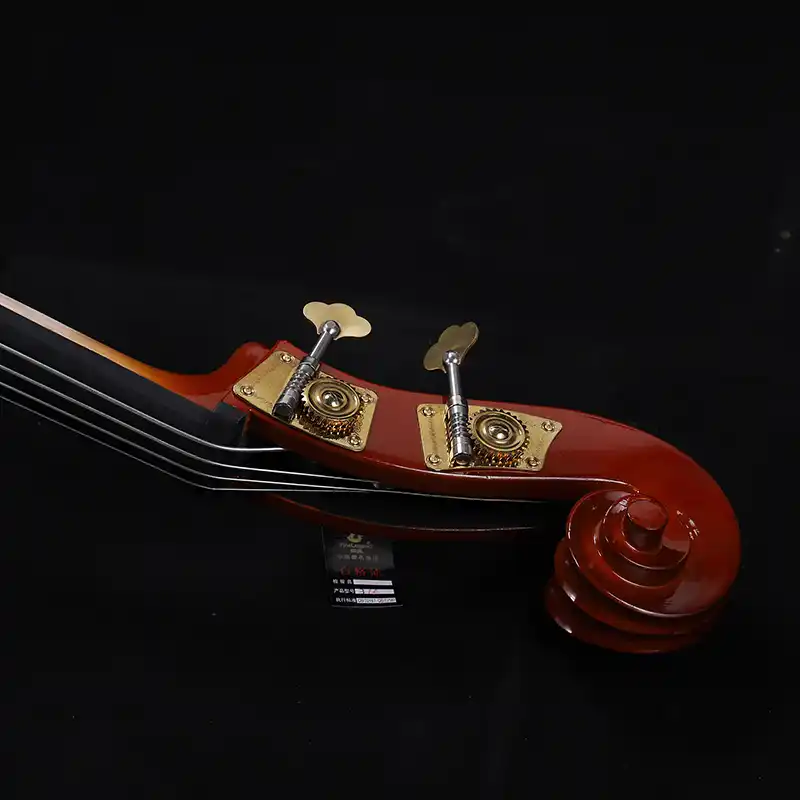
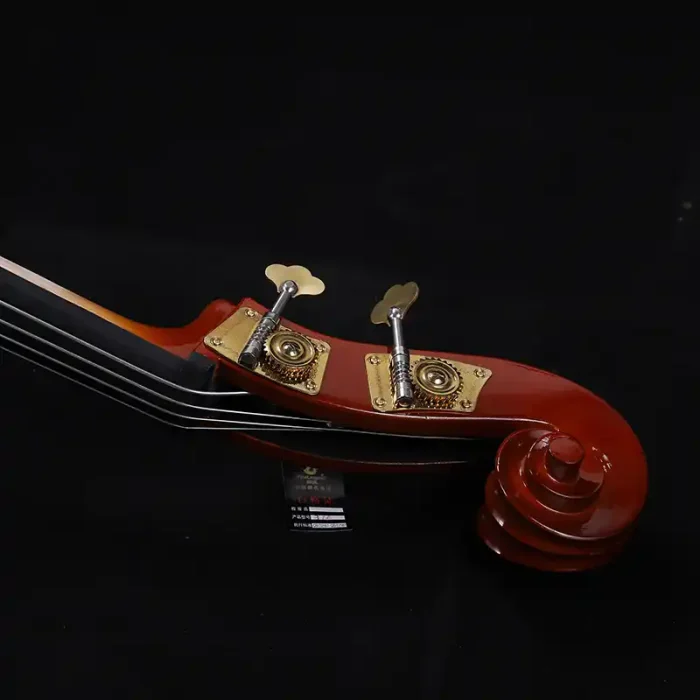
| Machine Heads/Tuning Machines | Individual (Single) |
| Fingerboard | Black-dyed Red Alder |
| Bridge | Standard Maple |
| Tailpiece with Tailgut | Black-dyed Red Alder |
| Varnish | Hybrid Varnish |
| Double Bass Case Options | Canvas Bag (Free) / Hard Case (Paid) |
| Bow | Selected Red Sandalwood |
Confident Beginner Solid-Top Double Bass (LB02)

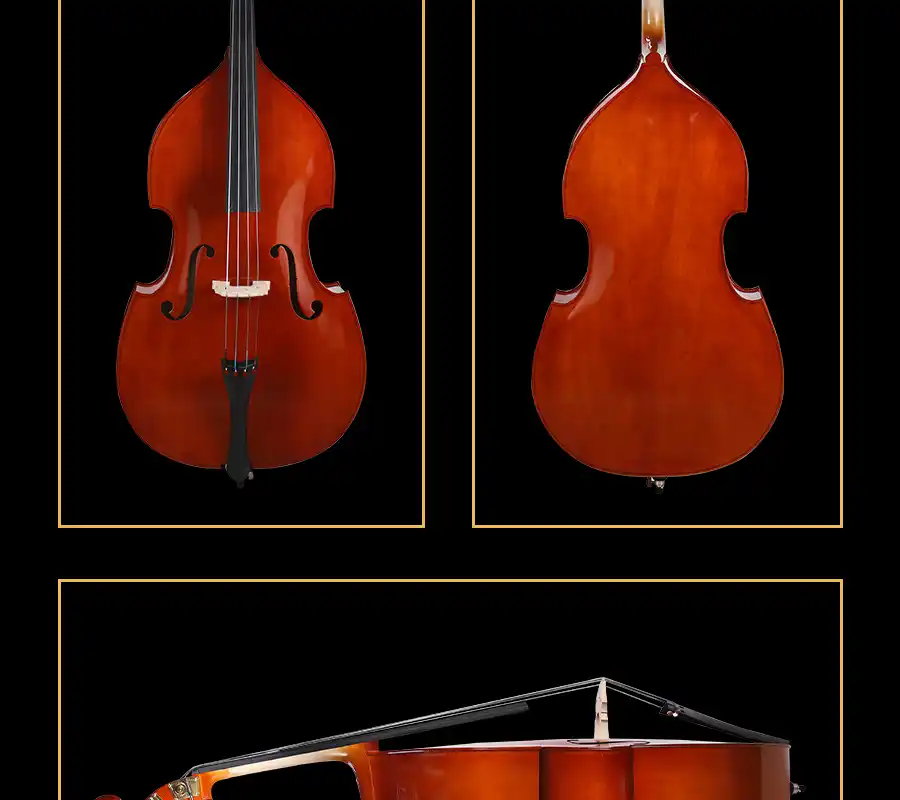

Beginner Solid-Top Double Bass: The “Step-Up” Hybrid Choice
The beginner solid-top double bass is built for players and programs that want a clear tonal advantage without sacrificing daily stability. A fully laminated instrument can be exceptionally durable, but many students and teachers eventually ask for more natural resonance and quicker response under the bow. This model answers that request with a hybrid structure: a solid top for improved vibration and projection, paired with laminated back and sides to help the instrument stay consistent through transport, rehearsal schedules, and seasonal humidity swings. In other words, it is a practical upgrade path for school orchestras, rental fleets, and music stores that need dependable inventory with noticeably better musical payoff.
For B2B buyers, the hybrid logic matters. A solid top can deliver more nuance in articulation and a more open low end once the instrument is played in, while laminated back and sides reduce the risk of stress-related issues in shared environments. That balance supports a healthier total cost of ownership: fewer climate-related surprises than a fully carved body, but more tonal reward than a full-laminate baseline. If you organize your selection by player level, you can position this instrument within your Beginner Double Basses line as an “upgrade-ready” option, then guide advancing students toward Intermediate Double Basses as technique and repertoire demand more dynamic range, and finally toward Professional Double Basses for long-term orchestral performance goals.
If your customers want neutral, credible context about the double bass as an orchestral instrument—its role, range, and performance practice—reputable references can help set expectations without sounding like marketing. A concise overview from Encyclopaedia Britannica is a reliable starting point: Encyclopaedia Britannica: Double Bass. For more community-driven performance resources, the International Society of Bassists is also a widely recognized organization in the field: International Society of Bassists.
Hybrid Construction That Balances Resonance and Durability
A beginner solid-top double bass is often chosen for one reason: it feels more alive under the bow. The solid top is designed to transmit vibration more naturally, supporting quicker response and a more complex tone than an all-laminate build at the same level. That difference is particularly noticeable in beginner and school contexts, where students need feedback. When the instrument speaks easily, students develop better bow control, cleaner articulation, and more consistent intonation habits. Teachers also appreciate an instrument that projects in ensemble settings without requiring excessive force, which reduces fatigue and encourages healthy technique.
At the same time, laminated back and sides protect the instrument’s reliability in the real world. School storage rooms, frequent carting between classrooms, and unpredictable humidity changes are common stressors. A hybrid upright bass with a solid top and laminated back is a practical compromise: more musical reward where it matters most, with stable structural support where accidents and climate variations are most likely to occur. For rental programs, this design can reduce downtime while still offering a better “first serious bass” experience for customers.
As a practical note for B2B listings, keep the story simple: “solid top for tone, laminated back/sides for stability.” Buyers understand the logic immediately. If your customers want manufacturer-style education around orchestral string families and the bass category, Yamaha’s instrument resources are a dependable reference point: Yamaha Double Basses.
Hardware and Setup That Supports Daily Student Use
This beginner solid-top double bass is equipped with fittings chosen for serviceability and comfortable learning. The rosewood fingerboard offers a familiar, stable feel that supports shifting practice and repeated finger placement without feeling overly “sticky” during long sessions. For education buyers and store owners, durability at the contact points matters, and the fingerboard is one of the first parts to show wear in shared-use environments. Rosewood remains a widely used choice in student and step-up instruments because it balances hardness, workability, and feel.
Tuning hardware is specified as individual (single) tuning machines, which helps keep maintenance straightforward. In many fleets, replacing one damaged tuner is more practical than replacing an entire plate assembly. Individual tuners also simplify stocking spare parts, which can be valuable for rental operators and music shops that provide ongoing support. A rosewood tailpiece completes a clean, traditional presentation, and it pairs naturally with the fingerboard for a consistent look that suits both retail display and orchestra room use.
The instrument is supplied with standard strings suitable for entry-level and school settings, along with a student bow stick (750). This configuration is intentionally practical: it reduces purchasing friction for first-time customers while keeping the instrument approachable for bulk ordering. If you want to offer a “ready-to-play” path without overwhelming buyers, you can guide them toward essentials—rosin, protective bags, stands, and replacement strings—through your Accessories selection. That approach improves customer satisfaction and reduces post-sale questions like “what else do I need to begin?”
Factory-Direct Supply, Consistency, and Quality Discipline
A beginner solid-top double bass becomes especially attractive when it is supported by stable, factory-direct supply. For B2B buyers, the purchase decision is rarely about a single instrument—it is about repeatability, consistent baseline performance, and predictable lead times. Factory-direct ordering supports better cost control and clearer specification alignment for music retailers, importers, and school procurement teams. This is also where process transparency matters. Buyers want confidence that instruments are checked before shipment and that packaging is designed for international handling.
If you want to strengthen trust without adding clutter to the product page, connect your story to clear process references. For example, you can describe how instruments are evaluated before dispatch and link to your quality discipline overview: Quality Control. If your customers are importers or store brands, you can also reference customization pathways responsibly—labels, packaging marks, and presentation details—through your OEM/ODM service. The key is to position customization as a professional option for qualified bulk orders, not as a vague promise.
From a merchandising standpoint, this hybrid configuration also helps you create a clean “good / better / best” ladder. Full laminate models can be the most rugged entry point, while a beginner solid-top double bass becomes the “better” step for customers who care about tone, and higher-tier instruments become the “best” for advanced repertoire and performance demands. That clarity improves conversion for B2B pages because buyers can justify the upgrade with one sentence: more resonance, still durable.
Shipping Readiness and English FAQ
A beginner solid-top double bass must ship safely and arrive predictably, because the value of a better top is lost if logistics are uncertain. For international buyers, shipping success depends on protective packaging, stable carton handling, and clear communication around lead time. Typical planning is 7–15 days depending on destination and shipping method, and your product page should present that timeline as part of a professional procurement experience. To help customers understand how packaging and delivery are handled, you can reference your logistics overview here: Shipping & Packaging.
In education and retail, customers often ask whether a hybrid upright bass is “worth it.” The honest answer is that it depends on the use case: if the goal is maximum toughness with minimal tonal concern, full laminate can be sufficient; if the goal is to encourage musical development and provide a more responsive instrument for bowing and ensemble work, the beginner solid-top double bass is an excellent compromise. This page is designed to help B2B buyers make that decision with clear specifications and a credible story that matches the real-world environment where the instrument will be used.
FAQ
Q1: What is the advantage of a beginner solid-top double bass?
A: The solid top typically offers quicker response and more natural resonance than a fully laminated build, while still keeping a practical entry-level platform.
Q2: Why use laminated back and sides on a hybrid upright bass?
A: Laminated back and sides help stabilize the instrument through transport and humidity changes, which is valuable for schools and rental fleets.
Q3: What fingerboard material is used?
A: A rosewood fingerboard is fitted for comfortable practice and reliable daily use.
Q4: What tuning hardware is included?
A: The instrument uses individual (single) tuning machines for straightforward tuning and easier maintenance.
Q5: Is this model suitable for school orchestra programs?
A: Yes. The hybrid construction is commonly preferred when programs want improved tone without giving up durability.
Q6: Can you support factory-direct wholesale orders?
A: Yes. Factory-direct supply supports consistent specifications and predictable lead times for bulk purchasing.
Q7: How should buyers plan shipping time?
A: Typical logistics planning is 7–15 days depending on destination and shipping method.
Q8: Are OEM/ODM options available?
A: Yes. OEM/ODM options can be discussed for qualified bulk orders, including labeling and packaging marks.