


















Additional information
| Cellos Size | 1/10, 1/8, 1/4, 1/2, 3/4, 4/4 |
|---|---|
| Top Plate / Belly | |
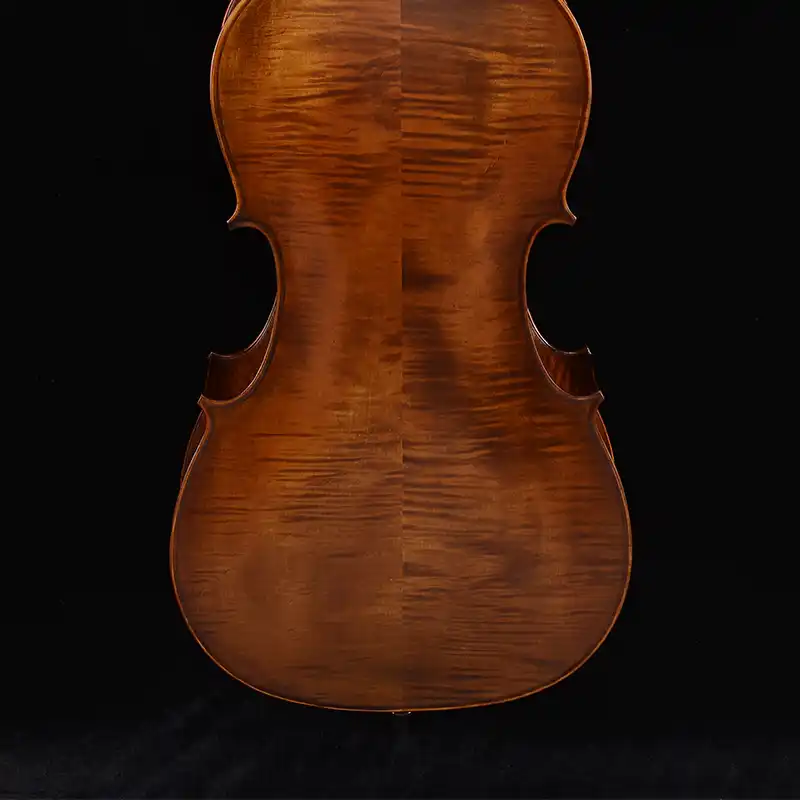
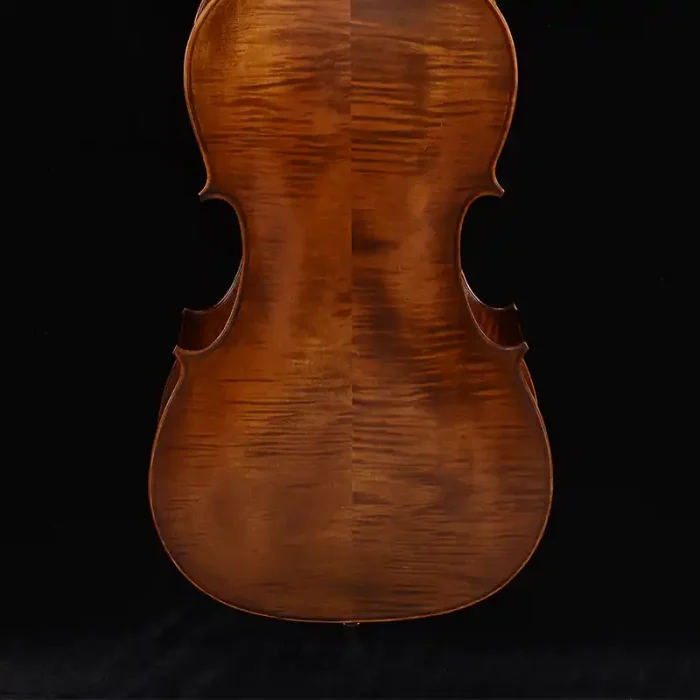
| Back Plate & Ribs | Slightly Flamed Maple |
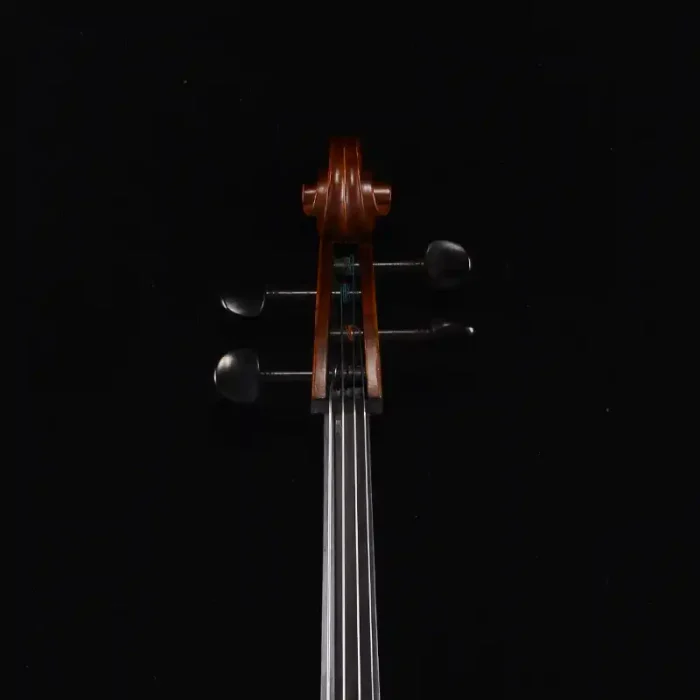
| Scroll & Neck | |
| Fingerboard | Ebony |
| Bridge | A/Master Grade Bridge |
| Fittings | Ebony |
| Varnish | Hybrid Varnish |
| Cellos Case Option | Canvas Bag (Free) / Hard Case (Paid) |
| Bow | Selected Red Sandalwood |
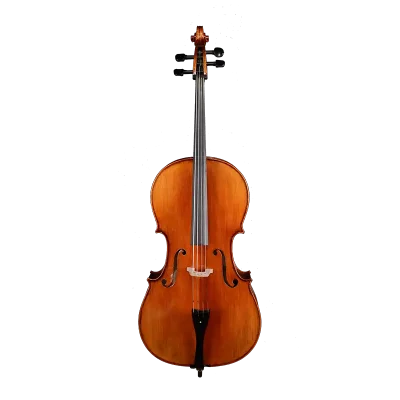
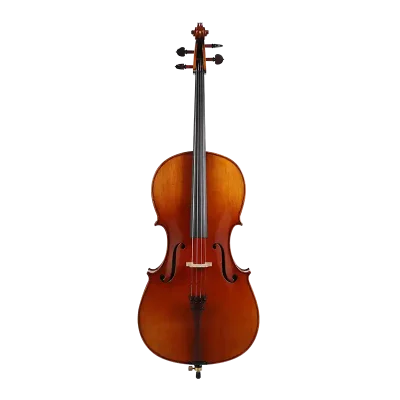
Remarkably Expressive Flamed Maple Spruce Cello—Stage-Ready (LC11)
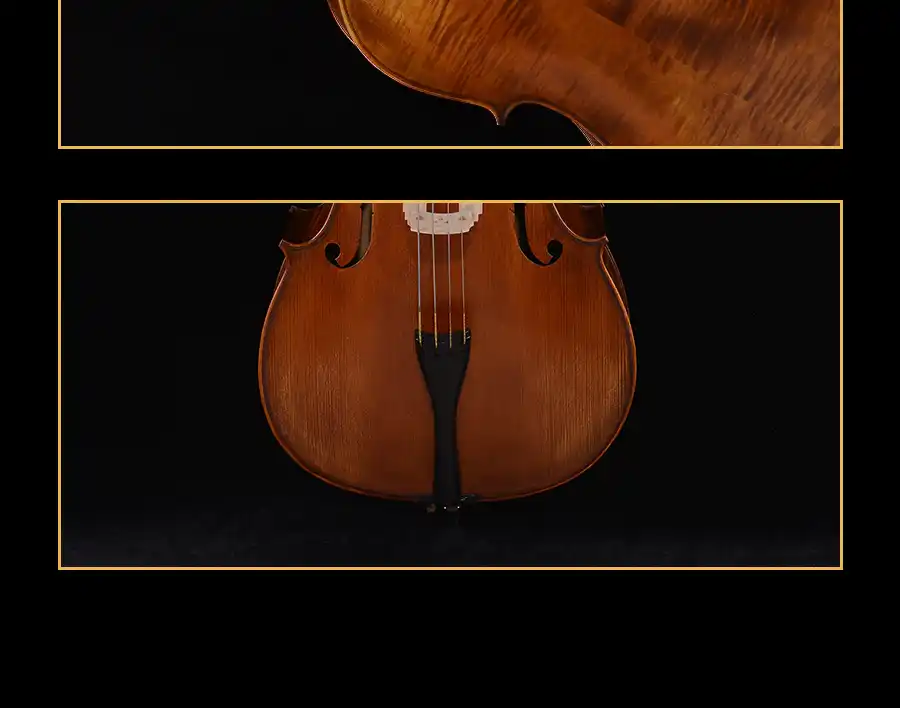
Flamed Maple Spruce Cello for Intermediate Progress
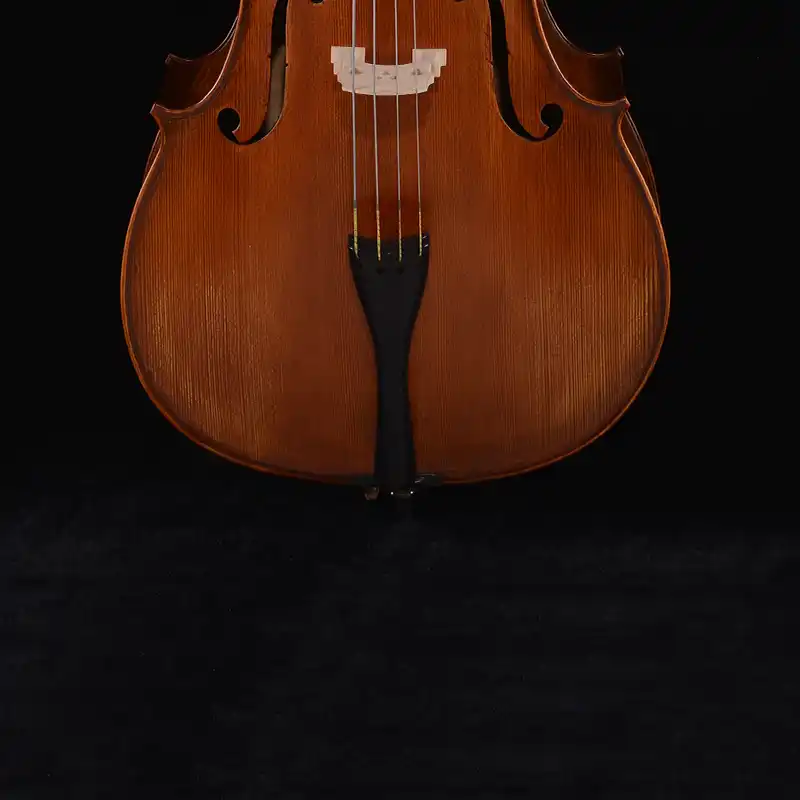
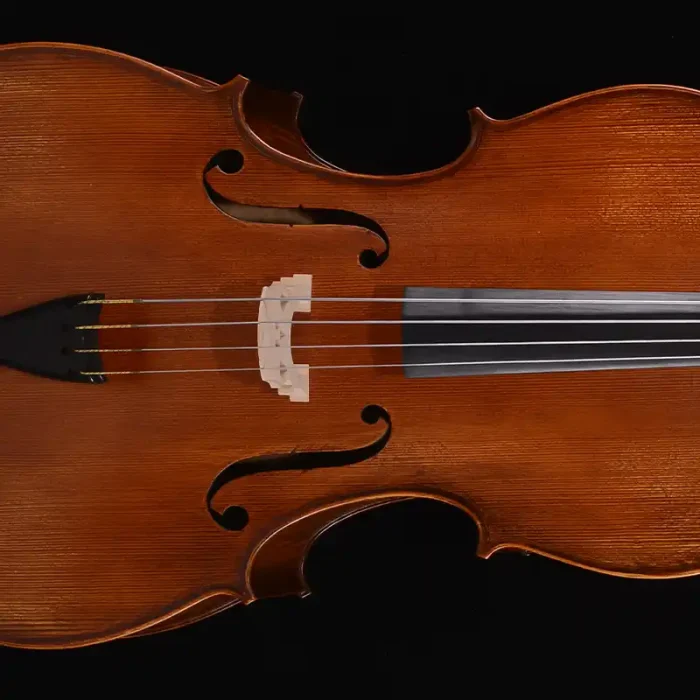
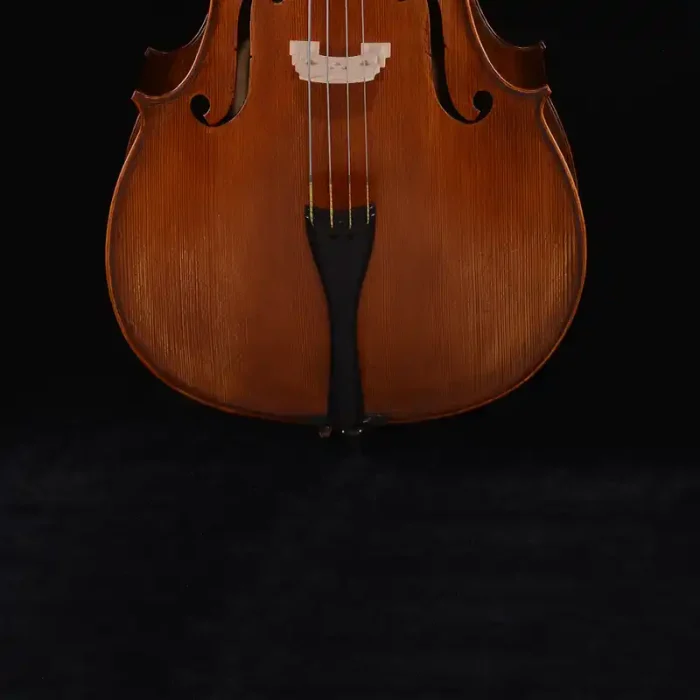
Flamed Maple Spruce Cello is a strategic category for dealers because it sits exactly where many students get serious: not their first week of lessons, but the point where rehearsal becomes regular, ensembles become real, and performance expectations increase. At this stage, buyers want a cello that responds faster, projects more clearly, and feels more refined in hand. LC11 addresses those needs by combining a spruce top with flamed maple back and sides, supported by full ebony fittings and an upgraded string choice suitable for intermediate goals.
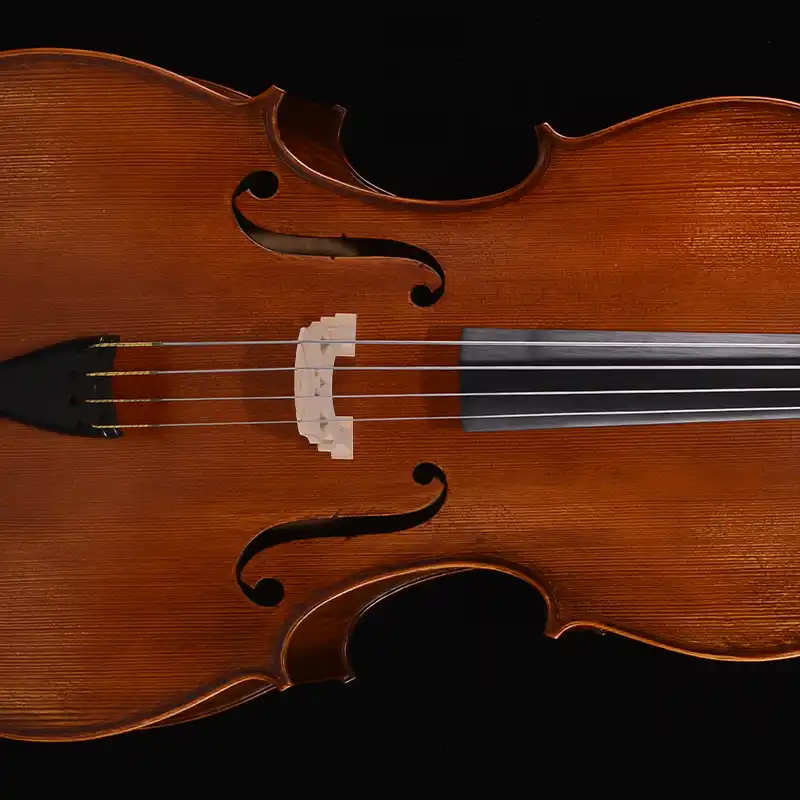
From a B2B perspective, intermediate models must do two jobs at once. They must sound and feel “step-up” compared with entry lines, and they must still be repeatable in bulk. The flamed maple figure provides a premium visual signal that is easy to understand in retail and wholesale catalogs. Spruce helps the cello speak quickly and supports a more articulate start to the note, while maple contributes focus and definition—helpful for ensemble clarity and for students who are developing consistent bow control.
To keep your navigation aligned with buyer intent, position this model under Intermediate Cellos, and show clear upgrade paths in both directions: from Beginner Cellos for new students, and toward Professional Cellos when the player demands greater nuance and projection.
For neutral, authoritative context about the cello’s role in music and why construction choices matter, you may reference an educational overview such as Encyclopaedia Britannica (Cello). This supports training content for dealers and importers without sounding like marketing copy.
In summary, LC11 is positioned as an intermediate cello that looks premium, feels refined, and supports real student progress while remaining scalable for wholesale supply.
Tonewood & Visual Value: Why Flamed Maple Matters in B2B
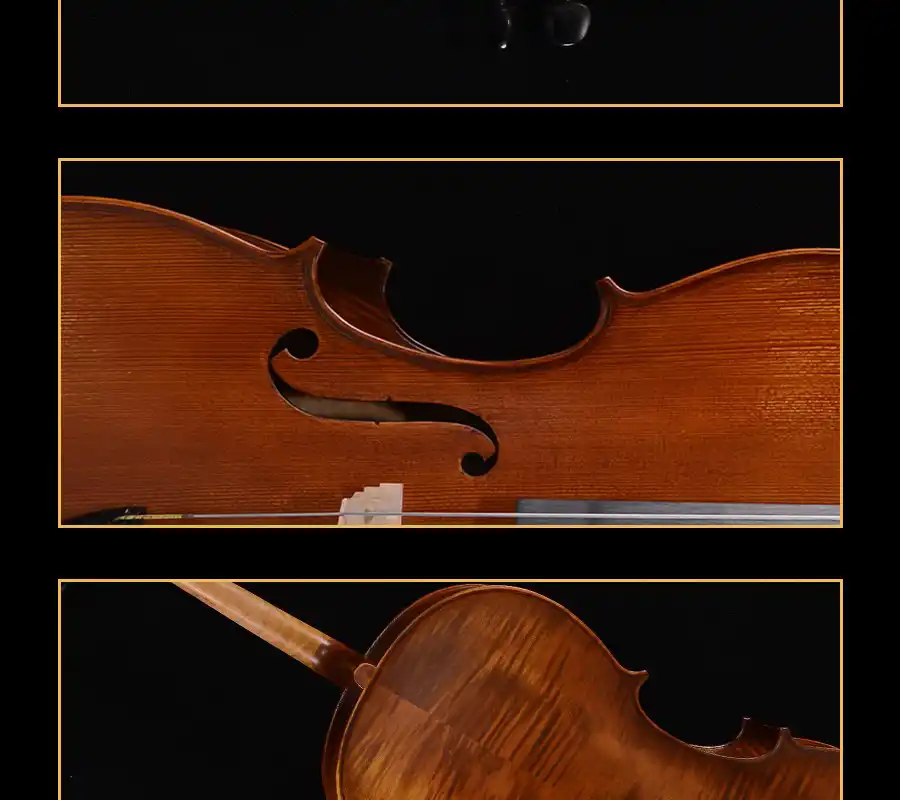
Flamed Maple Spruce Cello provides a compelling advantage in distribution channels because it communicates quality immediately. Many wholesale buyers sell through photos, catalogs, and quick showroom comparisons. Flamed maple back and sides offer a visible upgrade cue that customers can recognize at a glance. This helps dealers justify step-up positioning without relying on difficult-to-prove claims. When paired with a responsive spruce top, the cello can present both premium appearance and practical playability improvements.
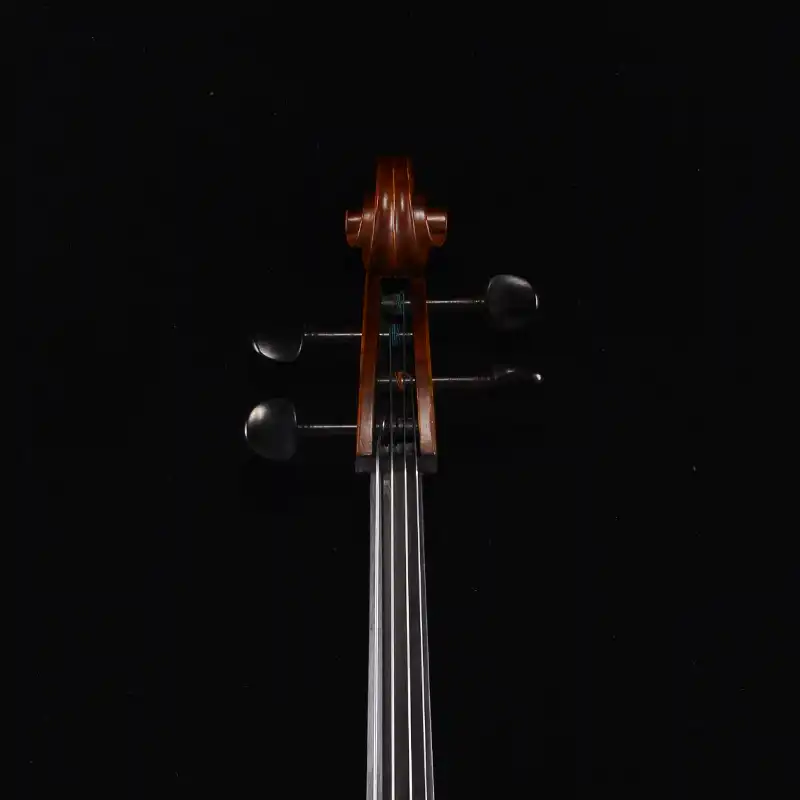
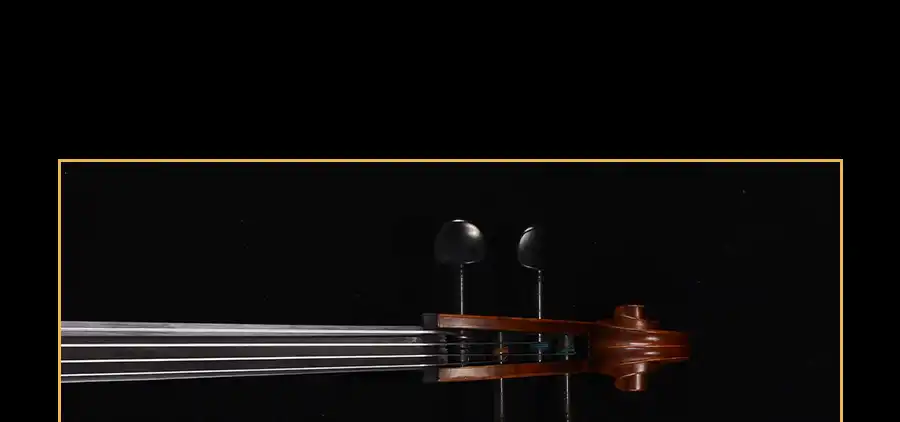
LC11 uses full ebony fittings—fingerboard, pegs, and tailpiece—creating professional touchpoints that matter daily. Ebony is valued for its density, stability, and smooth feel, and it supports a more confident tuning and playing experience for advancing students. Combined with upgraded strings (Class B level), the instrument is configured to deliver more stable articulation and clearer response during rehearsals and performances. This is the kind of specification that teachers appreciate because it reduces friction: the student can focus on technique, not fighting the instrument.
For dealers building complete packages, it is natural to bundle cases, rosin, spare strings, and care tools through Accessories. Bundles simplify procurement for schools and parents and help wholesalers increase order value without altering the core instrument selection.
When you need credible references for setup culture and what impacts performance most—strings, bridge, soundpost, and adjustment—linking to respected string-industry media can help. The Strad is widely recognized and can support educational content about craftsmanship and performance practice in a way that feels authoritative.
This section supports a clean B2B message: premium visuals, refined touchpoints, and a configuration that serves intermediate rehearsal and performance needs.
Performance Readiness: Response, Projection, and Control
Flamed Maple Spruce Cello is built for a stage-relevant type of progress: clear starts, controllable dynamics, and stronger projection without losing warmth. Intermediate students often struggle with consistency when the instrument responds slowly or becomes unclear in ensemble playing. A spruce top supports quicker response under the bow, while maple back and sides help keep the low register focused. This makes it easier for students to hear articulation changes and refine intonation in real rehearsal conditions.
LC11’s upgraded strings are selected to support intermediate requirements: more stable pitch behavior, clearer articulation, and better continuity across dynamic ranges. The included 780-level bow stick is aligned with this goal as well, providing a more controlled platform for developing bow technique. Dealers can position this model as an “orchestra-ready intermediate cello” that supports rehearsals, auditions, and student performances without requiring buyers to jump directly to professional-tier pricing structures.
For B2B buyers, consistency is created by process. If importers and dealers request transparency on workmanship and inspection standards, you can link directly to an explanation of how quality control is handled: Quality Control & Workshop Process. This reduces risk perception and supports repeat ordering because buyers understand how variation is managed.
As students progress, many dealers present a clear ladder: start in intermediate, then step into Professional Cellos when tone nuance and projection requirements become higher. Keeping that ladder visible improves buyer confidence and increases long-term retention.
Ultimately, LC11 is positioned for real use: rehearsals, performances, and the practical realities of intermediate study—where reliability and clarity are critical.
Wholesale Strategy: Dealer Programs, OEM Options, and Catalog Clarity
Flamed Maple Spruce Cello fits naturally into wholesale catalogs because it creates a clear “step-up” tier that can be explained quickly. Dealers can present it as a refined intermediate cello: flamed maple visuals, ebony fittings, upgraded strings, and a bow that supports more controlled playing. This makes it easier to sell through photos, comparison tables, and short sales consultations.
If you operate a private label program or need branding control, you can integrate presentation requirements—logo marking, cartons, accessory bundles, and documentation inserts—without changing the underlying specification. That pathway is supported through OEM / ODM service. In many markets, OEM presentation is a key differentiator because it helps dealers own the buyer experience and reduce direct price comparisons.
On the website side, place the model under Intermediate Cellos and use internal links to maintain a structured buyer journey. For customers starting out, reference Beginner Cellos. For those seeking a higher ceiling, guide them to Professional Cellos. This structure improves conversion and reduces confusion for wholesale buyers comparing tiers.
To support neutral educational messaging about instrument care and student practice routines, linking to established manufacturer education hubs can be useful. For example, Yamaha provides broad, reputable guidance content that can be referenced in buyer education without feeling sales-heavy.
This section frames LC11 as a scalable wholesale asset: clear tier positioning, repeatable ordering, and brand program compatibility.
QC, Packaging, and Delivery: Protecting Margin in International Trade
Flamed Maple Spruce Cello wholesale orders must arrive protected and ready for distribution. For importers, the hidden costs are often packaging failures, unclear communication, and avoidable post-arrival rework. LC11 is prepared with an export-ready mindset: structured inspection checkpoints, protective packing options, and a workflow designed to reduce damage risk and improve batch consistency. This supports dealer margins by lowering the time and cost spent solving preventable problems.
When buyers request a clear logistics reference—delivery timeline expectations, packaging options, and shipping coordination—align communication with: Shipping / Delivery / Packaging. Transparent logistics language builds confidence and reduces disputes because expectations are set early.
For buyers evaluating workmanship control, you can link the quality process directly: Quality Control & Workshop Process. In modern B2B procurement, process clarity is a measurable form of trust.
FAQ
Q1: Who is LC11 designed for?
A1: It is designed for advancing students and intermediate programs that want clearer response, stronger projection, and refined touchpoints suitable for rehearsal and performance.
Q2: What is the benefit of flamed maple back and sides?
A2: Flamed maple provides a premium visual signal and supports focused tone behavior, making it easier to position as a step-up model in wholesale catalogs.
Q3: What do ebony fittings add to an intermediate cello?
A3: Ebony contact points offer a refined feel, stability, and durability, supporting confident daily use and a more professional user experience.
Q4: What is the typical delivery time?
A4: A common delivery window is 7–15 days depending on order structure, inspection schedule, and destination logistics.
Q5: Can OEM branding and packaging be arranged?
A5: Yes. Logo marking, cartons, accessory bundles, and documentation inserts can be supported through the OEM/ODM pathway.