


















Additional information
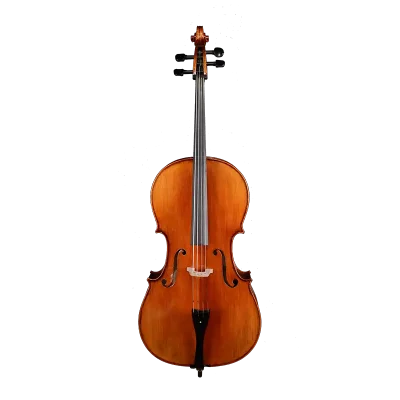
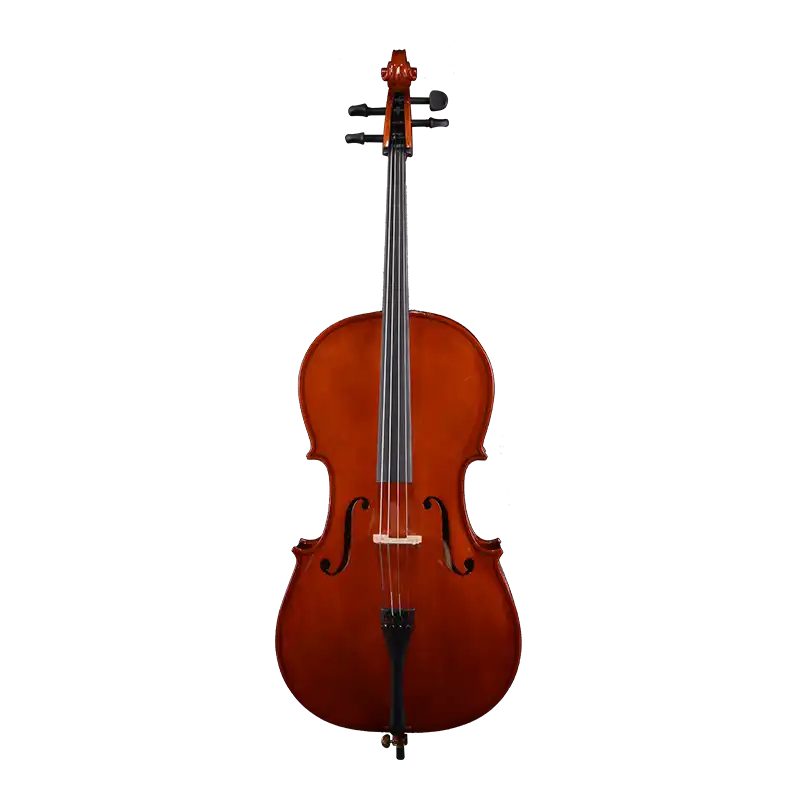
| Cellos Size | 1/10, 1/8, 1/4, 1/2, 3/4, 4/4 |
|---|---|
| Top Plate / Belly | |
| Back Plate & Ribs | Pressed Wood |
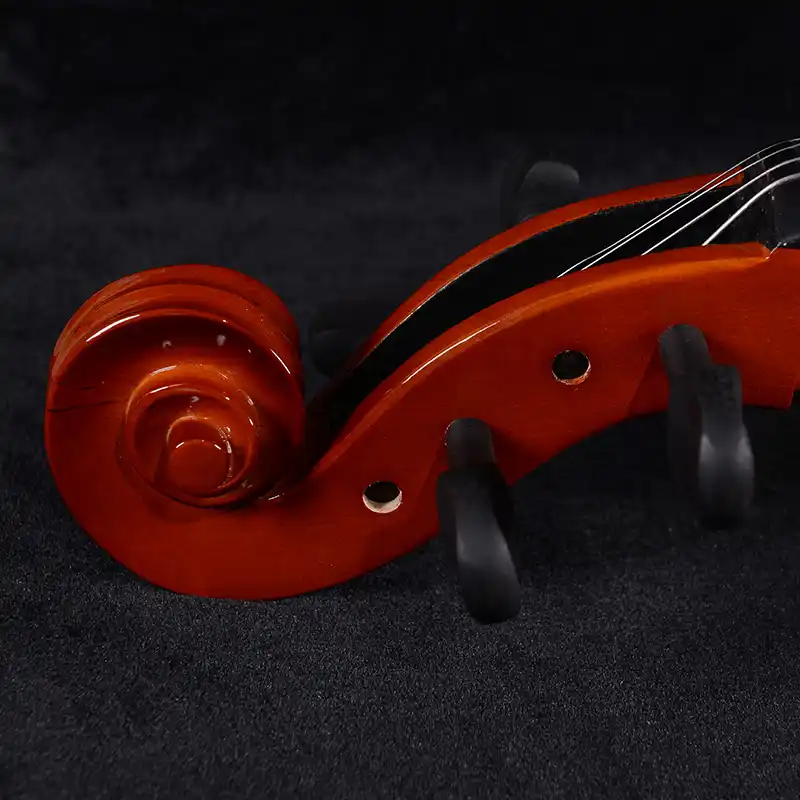
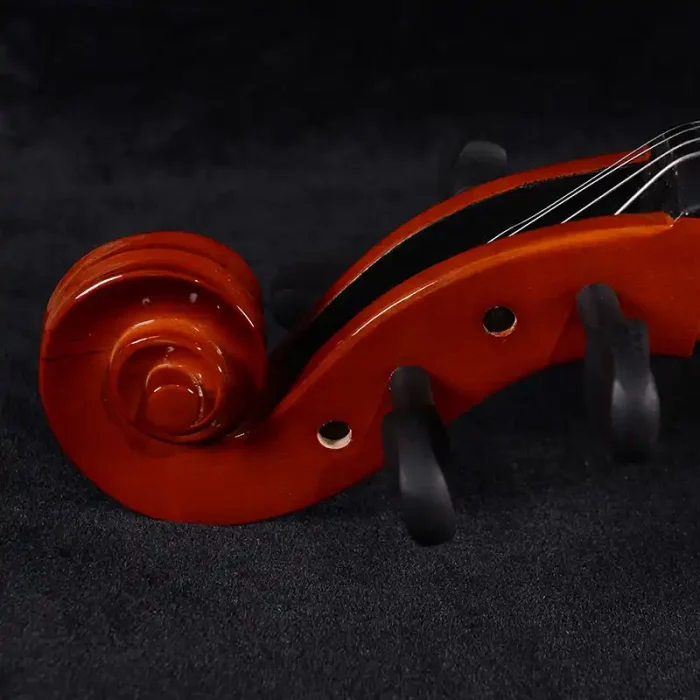
| Scroll & Neck | |
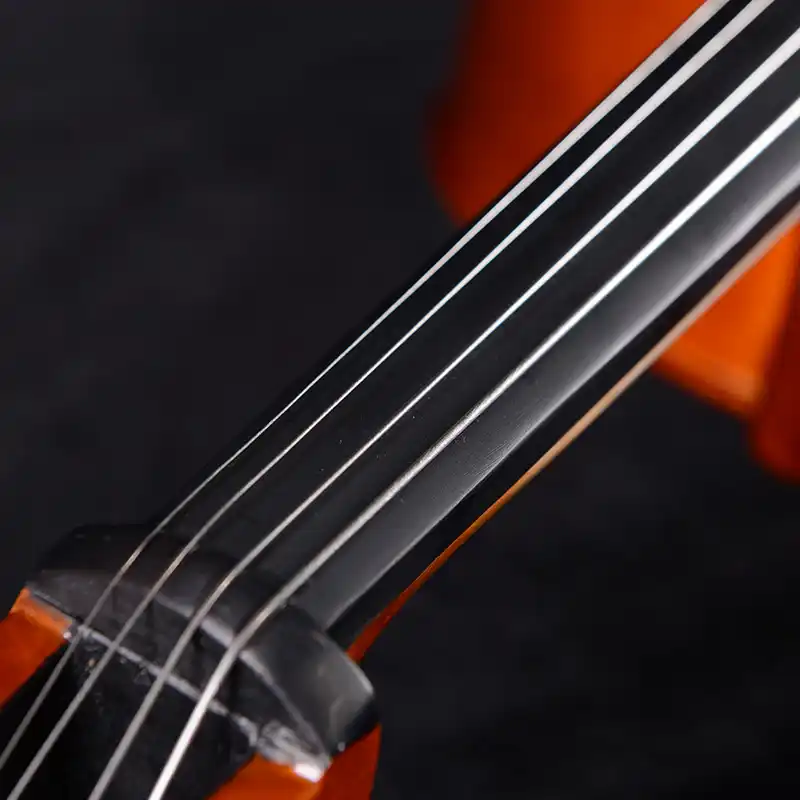
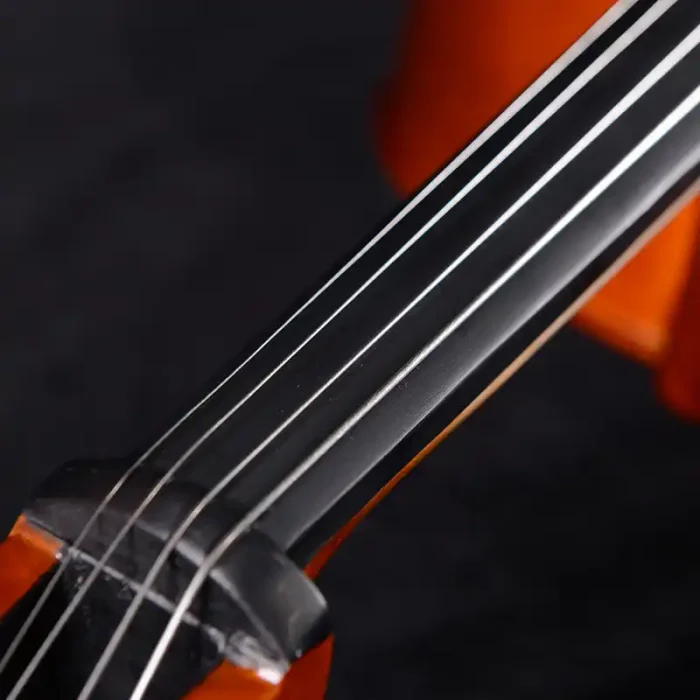
| Fingerboard | Black-dyed Red Alder |
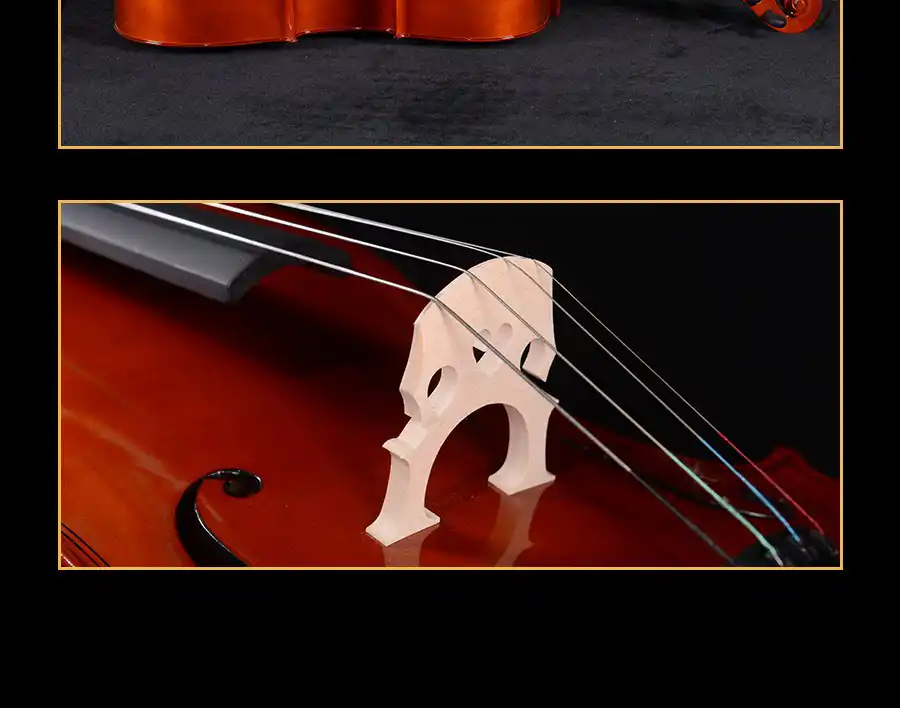
| Bridge | Standard Maple |
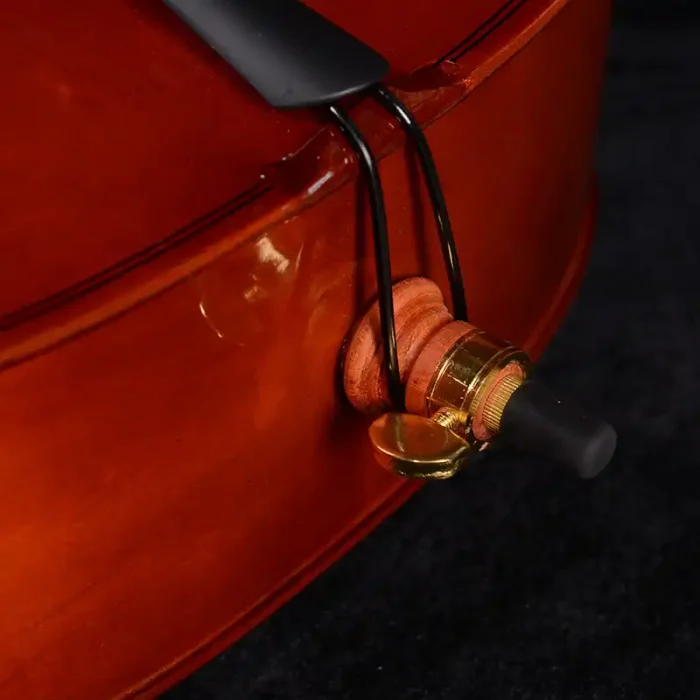
| Fittings | Metal Tailpiece/Black-dyed Red Alder |
| Varnish | Hybrid Varnish |
| Cellos Case Option | Canvas Bag (Free) / Hard Case (Paid) |
| Bow | Selected Red Sandalwood |
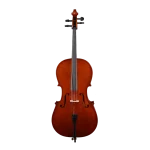
Surprisingly Capable Laminated Cello for Beginner Programs (LC01)

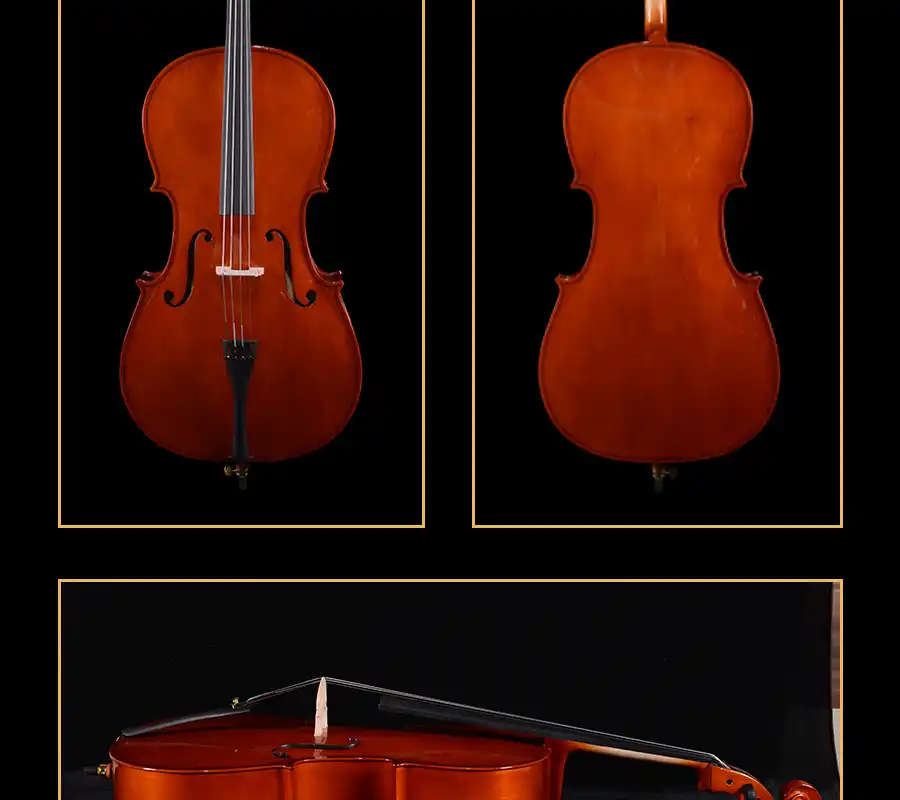
Laminated Cello Built for Reliable First Impressions
Laminated Cello is the most practical starting point when your priority is consistency, durability, and predictable setup across a batch. For B2B buyers, the first impression is not only the look of the instrument, but how stable it feels week after week: tuning that holds, joints that stay aligned, and a structure that resists common classroom and shipping stresses. That is exactly the job of a well-made laminated build, especially for beginner programs and entry-level retail lines.
LC01 is designed for dealers, school suppliers, and importers who want a dependable beginner platform with controlled variations. Laminated plates reduce the risk of seasonal movement and minor impacts, which can translate into fewer returns and fewer post-delivery complaints. In cello applications, where low frequencies dominate the listening experience, a laminated construction often performs better than expected in real-world use: the perceived “darker” character can feel natural, and in ensemble contexts it blends smoothly rather than sounding thin.
If your catalog targets students, rentals, or group purchases, start by exploring our beginner category: Beginner Cellos. When you expand your line for advancing players, you can cross-grade to Intermediate Cellos or premium offerings in Professional Cellos without changing your supplier workflow.
To help customers understand what a cello is and why construction matters, it is useful to reference authoritative educational sources during marketing or training. For example, an overview from Encyclopaedia Britannica (cello) supports clear, neutral explanations in product guides and dealer training materials.
In short: LC01 positions a Laminated Cello as a “low-risk, performance-capable” tool. It is not marketed as a fragile boutique piece—it is a robust instrument meant to be played, handled, and shipped in volume while still delivering a satisfying cello identity and a clean, student-friendly response.
Materials & Hardware: Practical Choices that Reduce After-Sales Issues
Laminated Cello models succeed in B2B channels when the hardware decisions match real usage. LC01 uses laminated top as well as laminated back and sides to keep structural behavior stable through temperature and humidity changes. This stability is a key reason laminated instruments are frequently selected for beginner fleets, rentals, and large institutional orders. For dealers, it can mean fewer cracked seams, fewer open joints, and fewer “mystery buzz” complaints caused by seasonal shifts.
LC01 is configured with rosewood fingerboard and rosewood fittings, paired with a durable tailpiece solution that supports daily use. The overall goal is balance: a comfortable left-hand feel, straightforward maintenance, and a reliable setup that does not demand constant adjustments. Standard strings are selected for consistent intonation and easy replacement across markets. A 750-level bow stick is included for entry-level readiness and uniformity across shipments.
Because fittings and setup quality matter as much as wood selection, we recommend presenting your offering with transparency. If your buyers also request accessory bundles (cases, rosin, spare strings), you can seamlessly connect them to Accessories to increase order value and reduce the buyer’s sourcing complexity.
For brands building a private-label line, you can integrate customization without overcomplicating production. Options commonly requested include logo placement, packaging specification, and consistent component selection across a purchase order. If you need that capability, our factory program is available here: OEM / ODM service.
To support informed content marketing, you may also cite respected industry media when discussing setup fundamentals (bridge, soundpost, strings). Educational articles from outlets like The Strad can help frame craftsmanship topics in a credible way, especially for buyers who want to understand why “setup” impacts response more than they expect at the beginner level.
Sound & Playability: Why Laminated Works Better on Cello Than People Assume
Laminated Cello is often misunderstood because players sometimes compare it directly to carved instruments under solo-audition conditions. In the real beginner and school environment, the expectations are different: stable pitch, comfortable response, and a tone that supports ensemble learning. The cello’s natural strength is its low register and body resonance. This is exactly where a laminated build can feel surprisingly convincing, because the “darker” character that laminated plates may produce blends naturally with the cello’s fundamental voice.
LC01 is built to be usable for performance in practical contexts—student recitals, school orchestra rehearsals, and early-stage community ensembles. Instead of chasing extreme brilliance, it targets a controlled, grounded tone with a predictable response under the bow. For many beginner players, that predictability is a major advantage: it reduces squeaks, improves confidence, and accelerates learning. When paired with correct setup, a laminated cello can support articulate starts, stable shifts, and a warm baseline timbre that teachers appreciate.
To ensure the instrument behaves consistently after long-distance logistics, quality control is essential. Our workflow emphasizes inspection points designed to reduce variation and protect dealer margins. If you want to present your compliance and build process in a clear, professional way, you can reference our QC standards here: Quality Control & Workshop Process.
Many dealers choose a two-tier strategy: laminated models for entry programs, then upgrade pathways for advancing students. That is where it is useful to guide buyers to your next step category without forcing them away from the current purchase. You can frame it as “upgrade-ready,” linking to Intermediate Cellos once the student’s technique begins to demand more nuance.
Finally, to support educational positioning, you may reference general orchestral education resources. For example, guides from established manufacturers’ learning centers (such as Yamaha) can be used to reinforce beginner-friendly messaging about practice, care, and instrument selection without sounding sales-driven.
B2B Readiness: Dealer-Friendly Consistency, Branding, and Order Structure
Laminated Cello becomes a strong B2B product when the supply chain is designed around repeatability. LC01 is positioned as a catalog anchor for beginner lines: stable construction, practical fittings, and a setup approach that can be standardized across a shipment. This helps importers and wholesalers create a predictable customer experience, which is critical when you sell through multiple stores, multiple teachers, or multiple school districts.
For dealers, the business value is straightforward: fewer surprises and fewer “one-off” issues that consume time. You can market LC01 as a durable student cello that maintains its core function under common handling. That matters for rental fleets, school supply contracts, and entry retail where instruments must survive frequent transport and varying storage conditions.
If you operate a private label or want to build a branded beginner series, the product can be integrated into an OEM flow: branded cartons, consistent accessory kits, and documentation inserts that match your market. That pathway is supported through OEM / ODM service. For buyers who want to upsell with complete packages, you can also build bundles using Accessories such as cases, rosin, spare strings, and entry-level maintenance items.
From a merchandising angle, it is helpful to present a clear “level ladder” on your site. You can place LC01 under Beginner Cellos, then guide customers to step-up options later under Professional Cellos once they request higher nuance and projection. This keeps your internal navigation consistent and improves conversion flow for wholesale buyers who compare tiers.
Overall, LC01 is not positioned as a compromise—it is positioned as a strategic product: a consistent, scalable laminated cello that protects dealer reputation while still giving students a playable instrument that can participate in real music-making.
QC, Packaging, and Delivery: The Details That Protect Your Margin
Laminated Cello shipments succeed when the instrument arrives stable, protected, and ready for distribution. LC01 is prepared with a B2B mindset: inspection points for structure and setup, protective packaging choices, and documentation that supports your downstream channels. Dealers often underestimate how much margin is lost through avoidable damage, rework, and time-consuming back-and-forth communication. This is why we treat logistics and packaging as part of the product—not an afterthought.
If you need a clear reference for shipping workflow, lead-time expectations, and packaging options, you can align your buyer communication with our delivery page: Shipping / Delivery / Packaging. Transparent logistics messaging builds confidence, especially for first-time importers. It also reduces disputes because expectations are set before production starts.
Quality control is integrated to support batch consistency. For many buyers, “laminated” is chosen specifically because it reduces risk, and that advantage is only realized when QC is disciplined. If you want to show your customers how you manage inspection and workmanship standards, you can reference: Quality Control & Workshop Process.
When buyers request variations—logo, accessory kits, custom cartons, or document inserts—those can be routed through our OEM / ODM service. This allows you to keep the laminated cello product consistent while still making the final presentation match your brand and market requirements.
FAQ
Q1: Is a laminated cello suitable for real performance?
A1: Yes. For student recitals, school orchestras, and ensemble contexts, a laminated cello can be performance-capable when setup is correct. The cello’s naturally low-focused voice can make laminated construction sound fuller than people expect in group settings.
Q2: Why choose laminated for beginner programs?
A2: Laminated plates are typically more stable across climate changes and daily handling. For B2B buyers, that often translates into fewer returns, fewer structural issues, and more consistent batch experience.
Q3: Can I order with my brand and packaging?
A3: Yes. We support OEM/ODM options such as logo marking, cartons, accessory kits, and documentation inserts via our OEM service pathway.
Q4: What is the typical delivery time?
A4: For many standard orders, a common delivery window is 7–15 days depending on order structure, inspection schedule, and destination logistics.
Q5: Can I bundle accessories with this cello?
A5: Yes. Many dealers bundle cases, rosin, spare strings, and care items to increase order value and simplify buyer procurement.