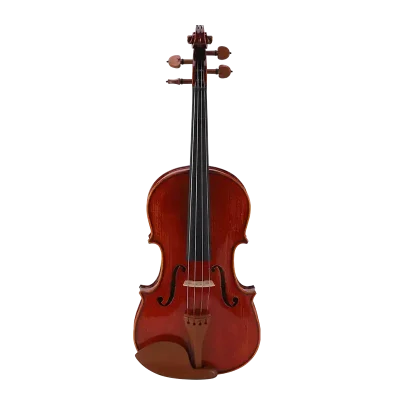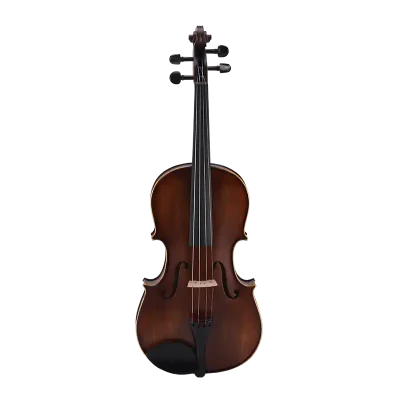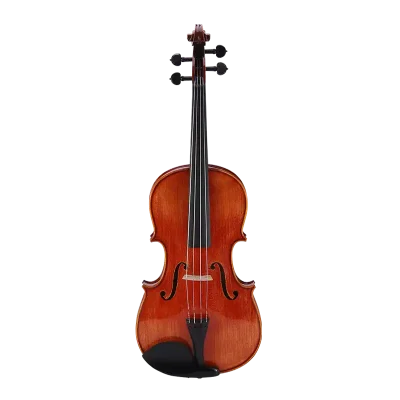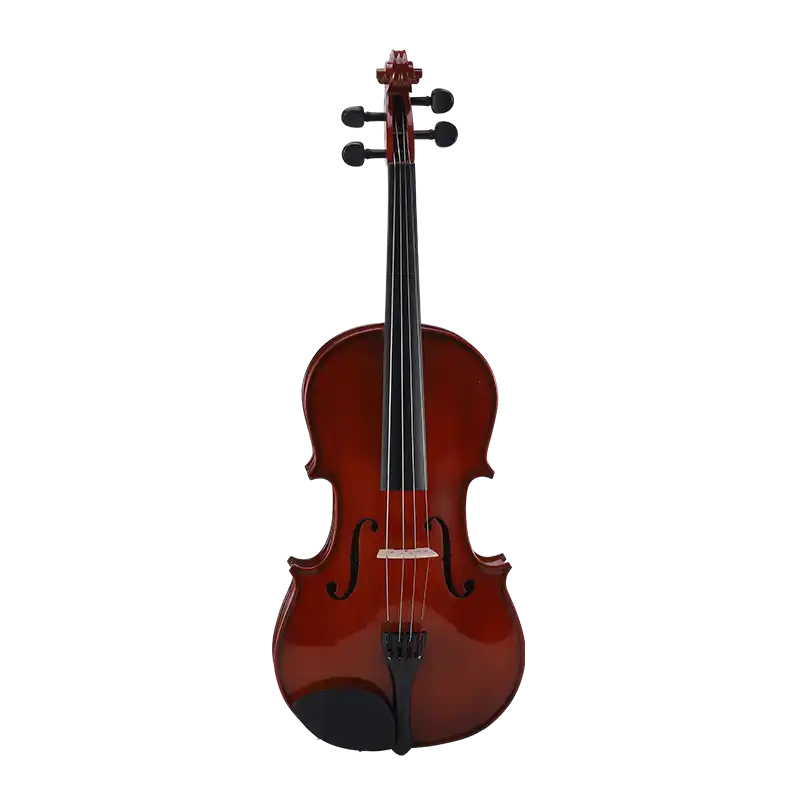















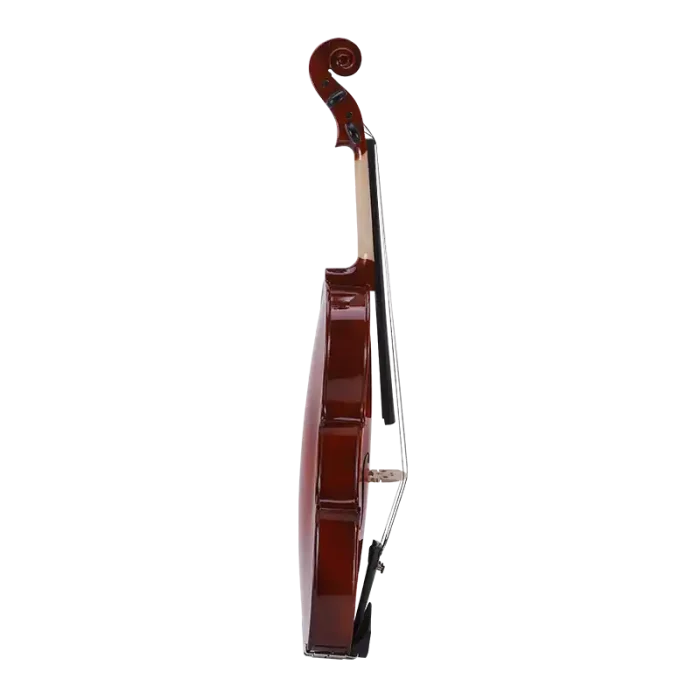

Additional information
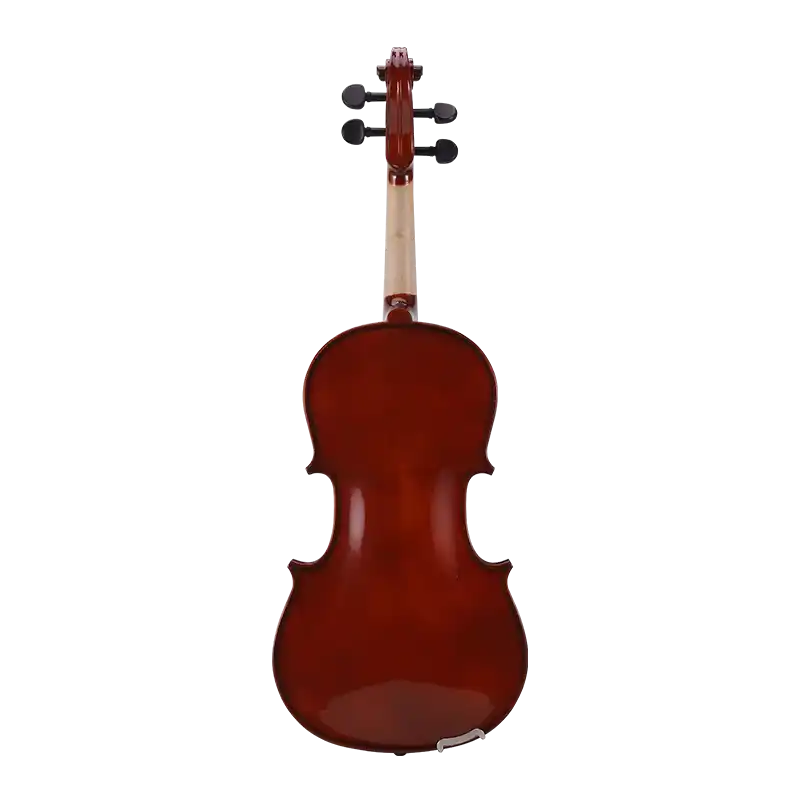
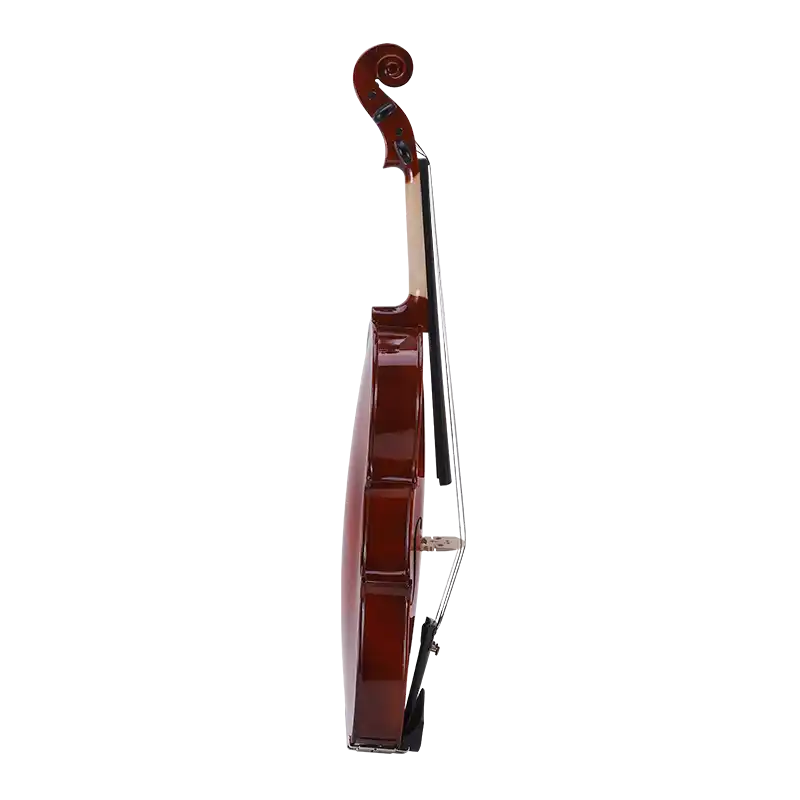
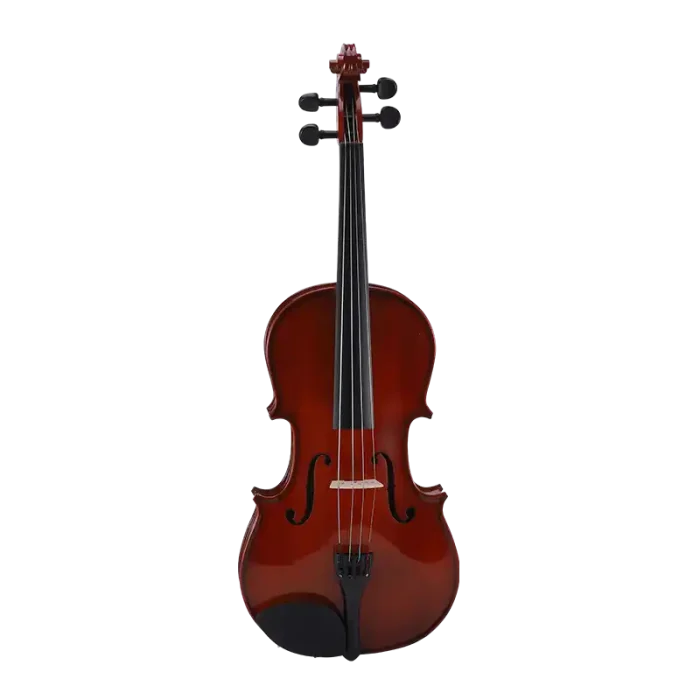
| Violas Size | 15", 15.5", 16", 16.5", 17"+ |
|---|---|
| Top Plate / Belly | |
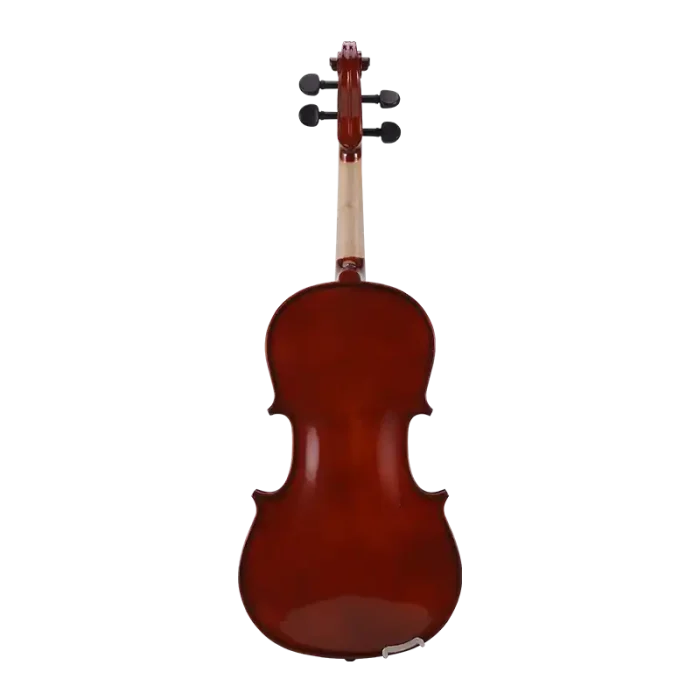
| Back Plate & Ribs | Plain Maple |
| Scroll & Neck | |
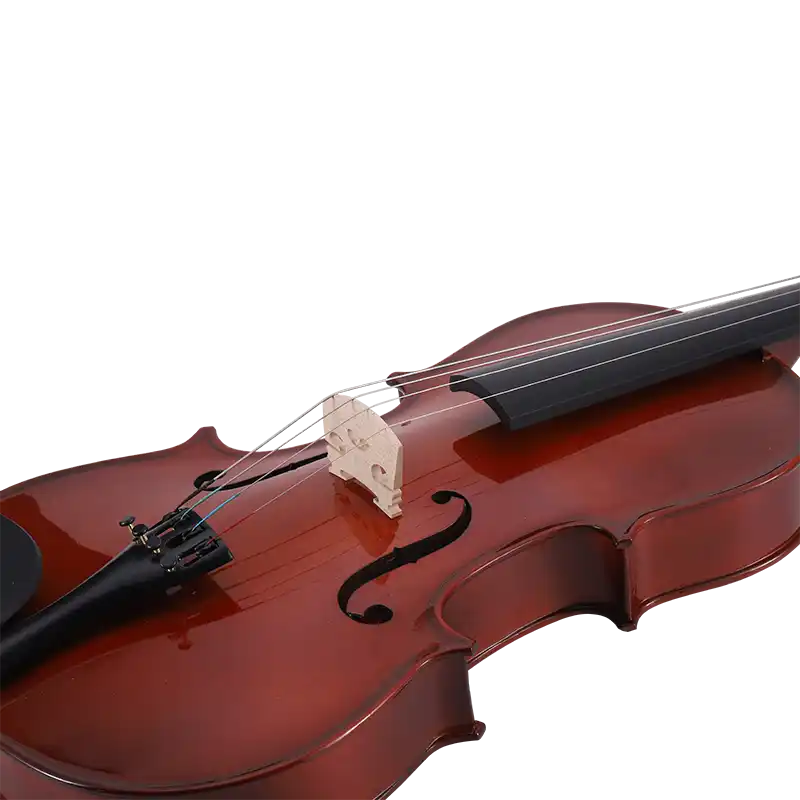
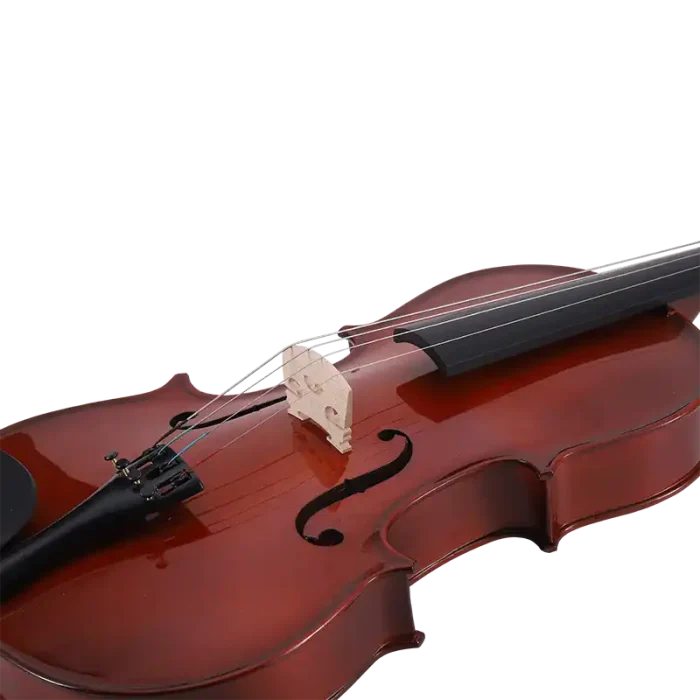
| Fingerboard | Black-dyed Red Alder |
| Bridge | Standard Maple |
| Fittings | Metal Tailpiece/Black-dyed Red Alder |
| Varnish | Hybrid Varnish |
| Case | Shaped / Contoured Case |
| Bow | Selected Red Sandalwood |
Beginner Viola Wholesale Supplier – Common Spruce, Plain Maple (LVA-02)

Built for Reliable Beginner Viola Wholesale
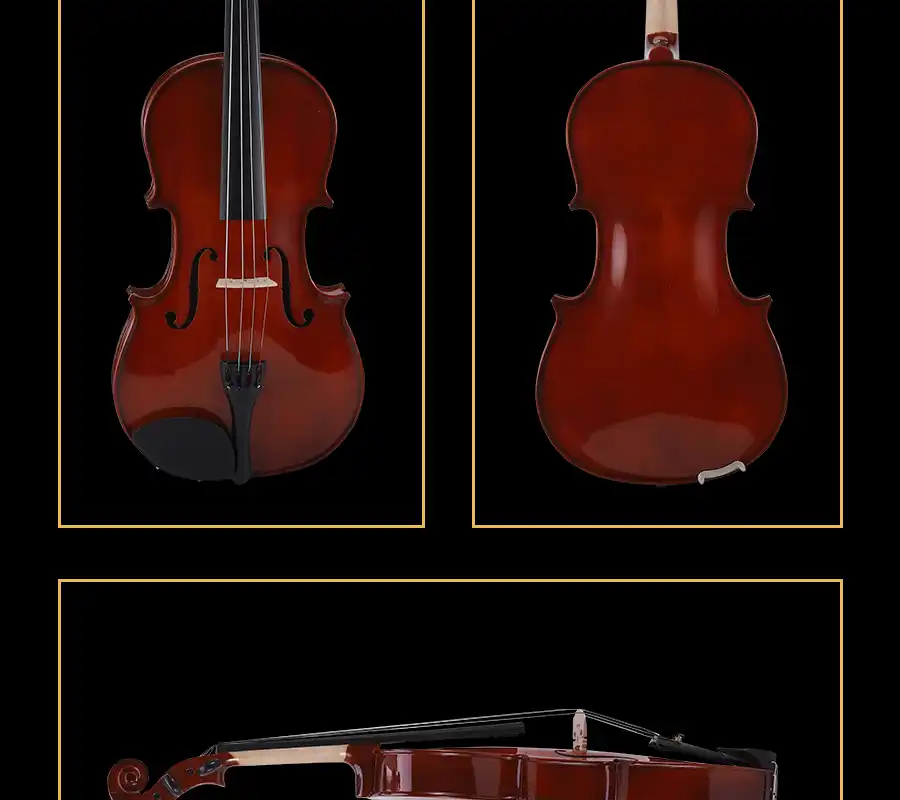
Beginner viola wholesale should feel predictable, not risky. This entry-level viola is designed for school programs, studio bundles, and distributor assortments where consistency matters more than flashy claims. From first inspection to final packing, the goal is to deliver a stable, student-friendly instrument that your buyers can trust in volume. If you curate products by tier, place this model inside your Beginner Violas collection so dealers land in the right category immediately.
The tonewood recipe is intentionally practical: a spruce top for responsiveness and projection, paired with a maple back and sides for structural stability and clean articulation. For wholesale buyers, value is not a single spec—it is the repeatability behind it. When dealers ask, “Will this batch match the last batch?”, the answer must be based on process, not hope. If you want to show buyers how standards are verified, reference your QC and workmanship standards as supporting proof.
Finally, this beginner offering is positioned for B2B practicality: consistent finishing, straightforward fittings, and an export-minded packaging approach. If you also support step-up lines for advancing students, guide buyers toward your Intermediate Violas after they validate market demand on the beginner tier.
Spruce and Maple: A Smart, Proven Materials Pair
Beginner viola wholesale buyers often ask one question first: “Is the tonewood choice sensible for students?” This viola uses a spruce top and maple back and sides, a pairing valued for balancing responsiveness with durability. Spruce is commonly selected for soundboards because it is relatively light yet stiff, helping it transfer string vibration efficiently into audible sound. Maple adds stability and contributes to clarity and focus—useful traits when beginners are still developing controlled bowing and intonation.
To educate distributors without overwhelming them, frame this as a reliable baseline build rather than a luxury pitch. You can reference authoritative explanations of why stiff-and-light soundboards are prized in acoustic instruments, then connect that logic back to your build standards. When buyers understand the “why,” they are less likely to challenge the “what.”
Beyond species, consistency comes from selection and preparation: seasoning, controlled humidity during assembly, and stable setup tolerances. This is also where OEM requests become realistic—finish preference, label placement, packaging inserts, and carton markings. If your B2B clients require private labeling for regional channels, direct them to OEM/ODM services so the customization path is clear and professional.
If a buyer needs premium positioning later, point them to your Professional Violas as a higher-tier option for conservatory programs or advanced ensembles.
Wholesale-Ready Fittings for Student Use
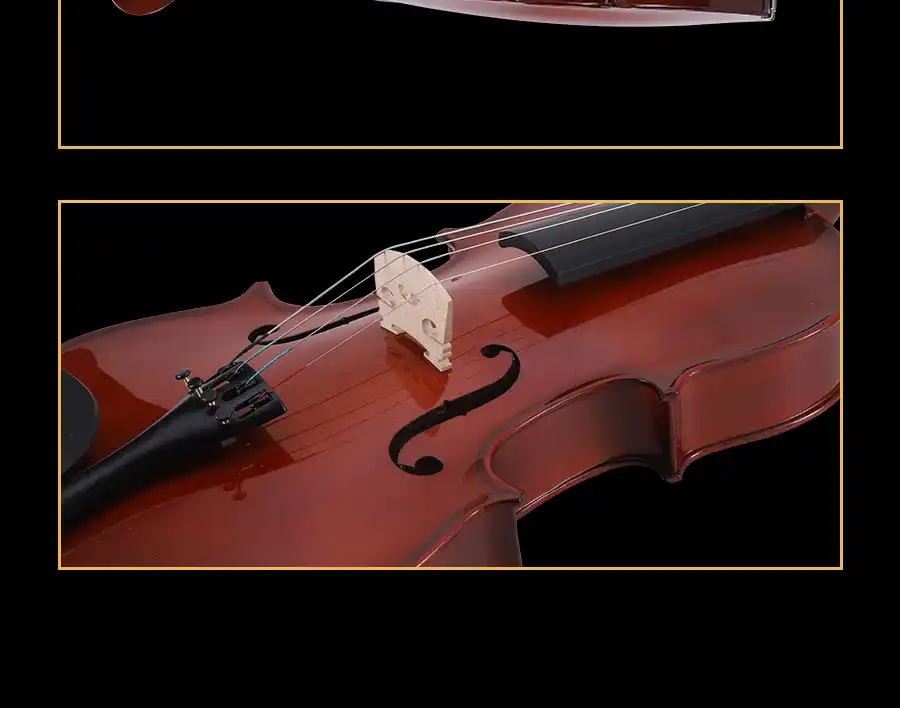
Beginner viola wholesale is not only about sound; it is also about durability in the hands of learners. The fittings package focuses on practicality: an ebony-stained fingerboard appearance, a metal tailpiece, and a rosewood chin rest. These choices are designed to reduce avoidable issues during shipping, stocking, and daily practice. For many B2B programs, fewer early-stage problems translates into fewer returns and less post-sale support.
Rather than overselling components, communicate that the instrument is assembled to endure typical student handling, case transport, and basic classroom management. If your customers bundle bows, shoulder rests, or replacement parts with student instruments, add a helpful pathway to your Accessories catalog for compatible add-ons that complete the program package.
For dealer education, sizing and comfort guidance is often more valuable than technical jargon. A correctly sized instrument supports posture, reduces fatigue, and helps new players develop intonation more quickly. Providing a fit-oriented reference can prevent “wrong size” complaints in downstream retail channels.
Triangle Hard Case and Export-Oriented Delivery
Beginner viola wholesale shipments succeed or fail on packaging discipline. This viola includes a triangle hard case intended to protect the instrument through warehouse handling and international logistics. For B2B buyers, the case is not merely an accessory; it is part of the product’s risk management. It supports cleaner receiving, lowers transit damage rates, and improves the first impression when distributors open cartons for inspection.
Export readiness also means clear lead times, carton planning, and documentation alignment. If you publish shipping methods, delivery timelines, and packing standards, link them directly from this product page so buyers can confirm logistics requirements without sending multiple emails. You can naturally reference your Shipping/Delivery/Packaging page as the operational backbone behind your wholesale promise.
Many distributors need assurance about batch consistency across seasonal humidity changes. This is where process language helps: inspection checkpoints, packing verification, and export carton reinforcement. Avoid exaggerated claims; instead, show structured competence that buyers can rely on reorder after reorder.
A Dealer-Friendly Story: Consistency That Protects Your Brand
Beginner viola wholesale is ultimately about protecting the dealer’s reputation. Students judge a viola by whether it feels approachable, stays stable, and supports progress. Dealers judge it by whether returns stay low and reviews stay consistent. This product is built to be a dependable baseline—an instrument you can confidently place into programs, starter bundles, and first-time buyer kits.
Think of it as a quiet performer: it does not demand attention with exaggerated promises, but it delivers steady playability and a clean presentation. That is exactly what many distributors need when expanding into violas alongside violins. If your buyers want to see how standards are maintained across production, include a trust-building reference to your quality control process.
For OEM buyers, the story becomes even stronger: your brand can be printed, your carton marks standardized, and your accessory bundle defined. If you support private labeling and program packaging, link naturally to OEM services as the next step for scaling dealer programs.
FAQ
What type of buyer is this viola designed for?
It is designed for school programs, studios, and distributors sourcing entry-level instruments in consistent batches.
Can you support OEM branding for distributors?
Yes. OEM labeling, carton marks, and program packaging options can be discussed based on your order plan.
Is the instrument suitable for export shipment?
It is packed with export-oriented protection, including a triangle hard case and documented packing standards.
Where can we learn about your QC standards?
You can review the inspection approach and workmanship checkpoints on the QC standards page.
Do you provide compatible accessories for bundle programs?
Yes. Bows, cases, and protective add-ons can be sourced through the accessories catalog to match your program needs.
How do we confirm delivery and packaging details?
Shipping methods, packing approach, and delivery expectations are summarized on the shipping and packaging page.