













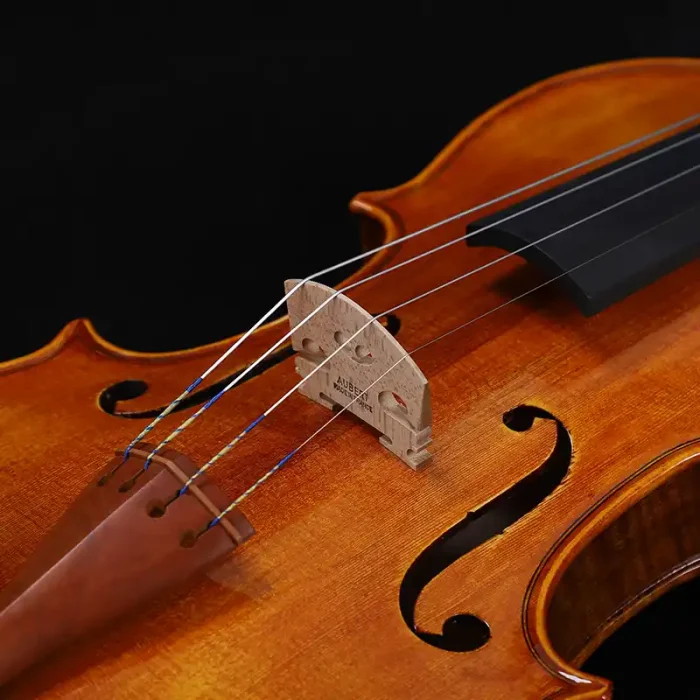
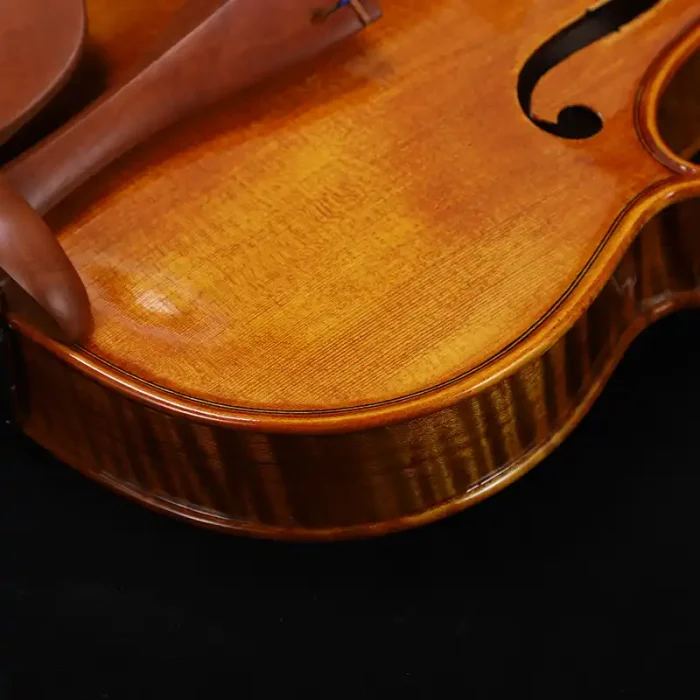
Additional information
| Violin Size | 1/16 | 1/8 | 1/4 | 1/2 | 3/4 | 7/8 | 4/4 (Full Size) |
|---|---|
| Top Plate / Belly | |
| Back Plate & Ribs | Highly Flamed Maple |
| Scroll & Neck | |
| Fingerboard | Ebony |
| Bridge | A/Master Grade Bridge |
| Fittings | Jujube |
| Varnish | Hand-Applied Spirit Varnish |
| Case | Oblong Case |
| Bow | Selected Red Sandalwood |
Wholesale Intermediate Violin Outfit LV33
Factory Direct Step-Up Violin Outfit with Highly Flamed Maple and Spirit Varnish
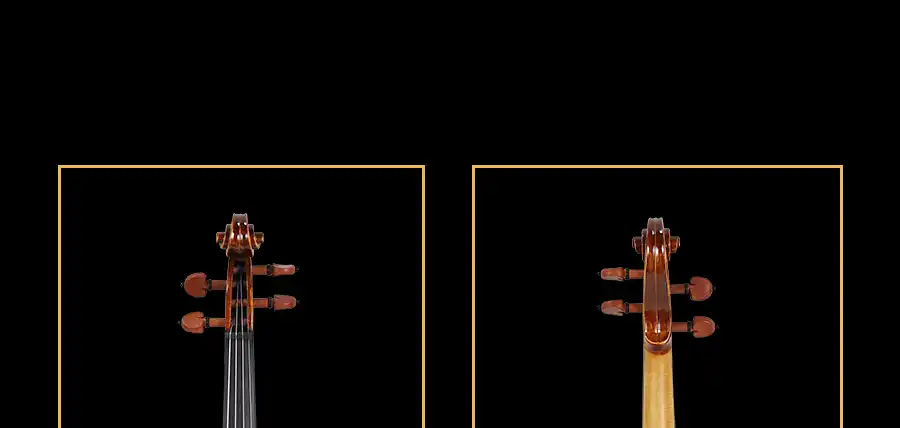
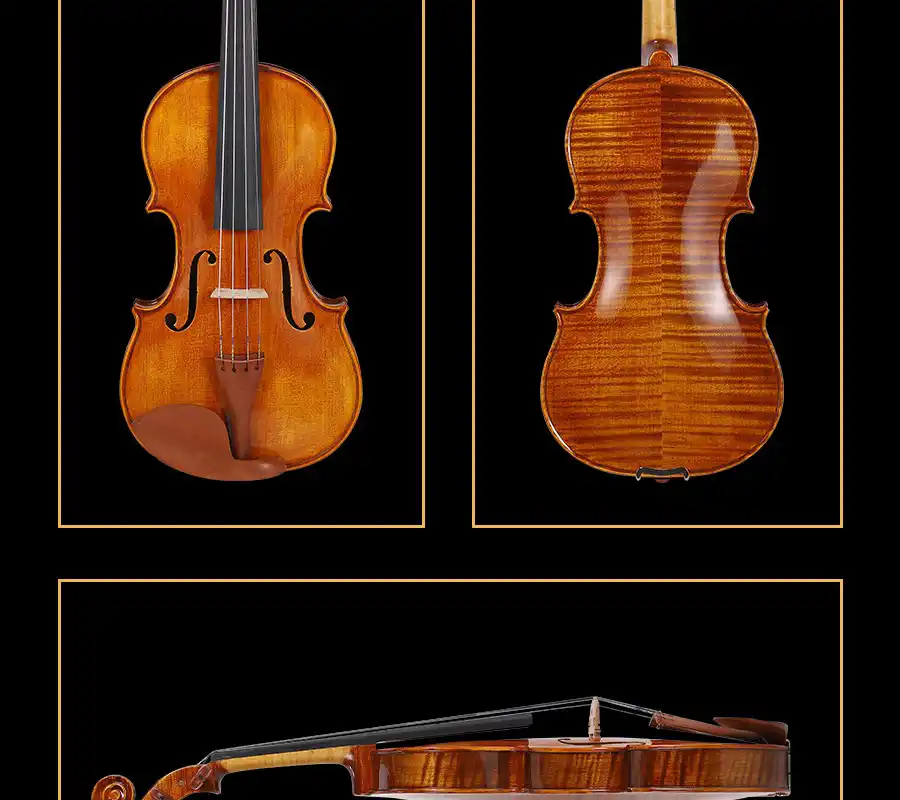
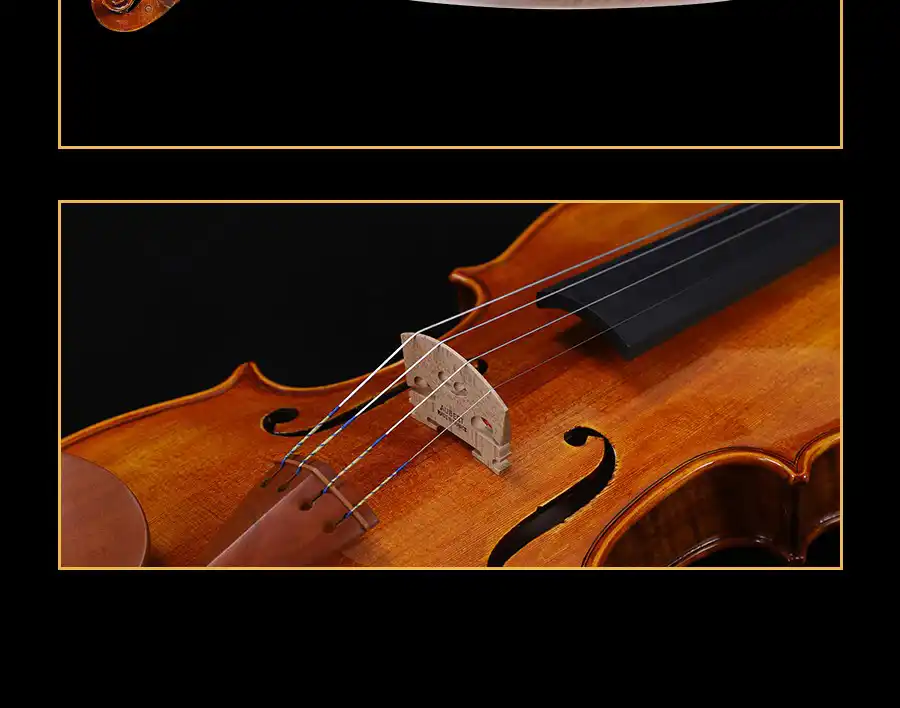
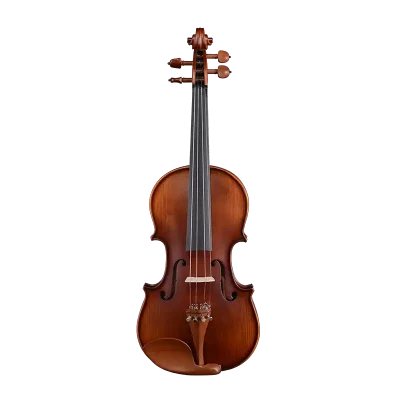
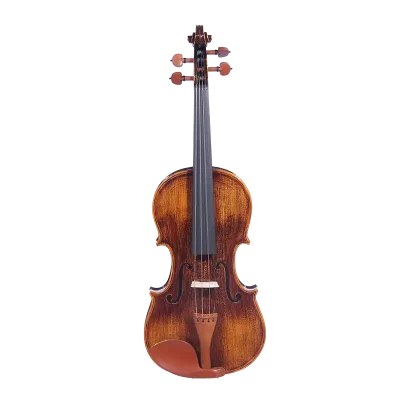
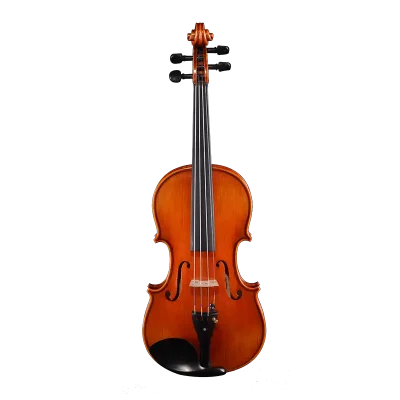
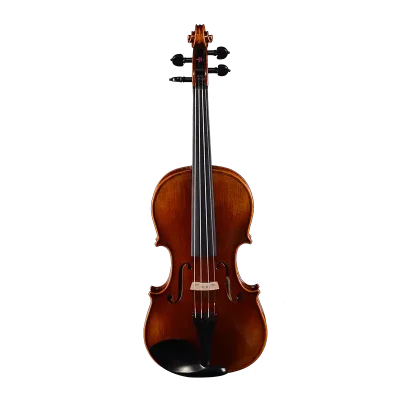
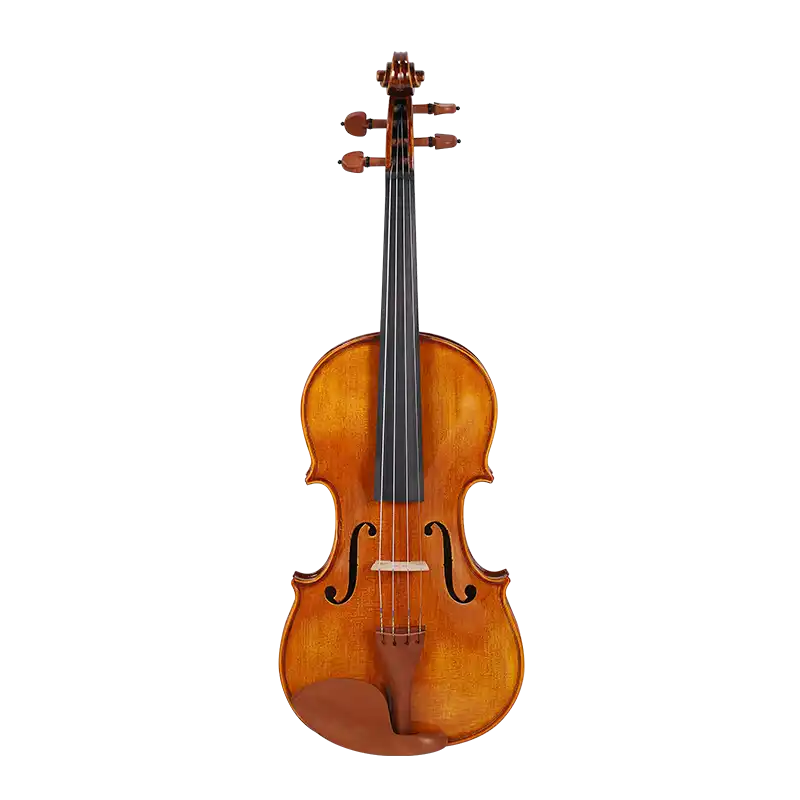
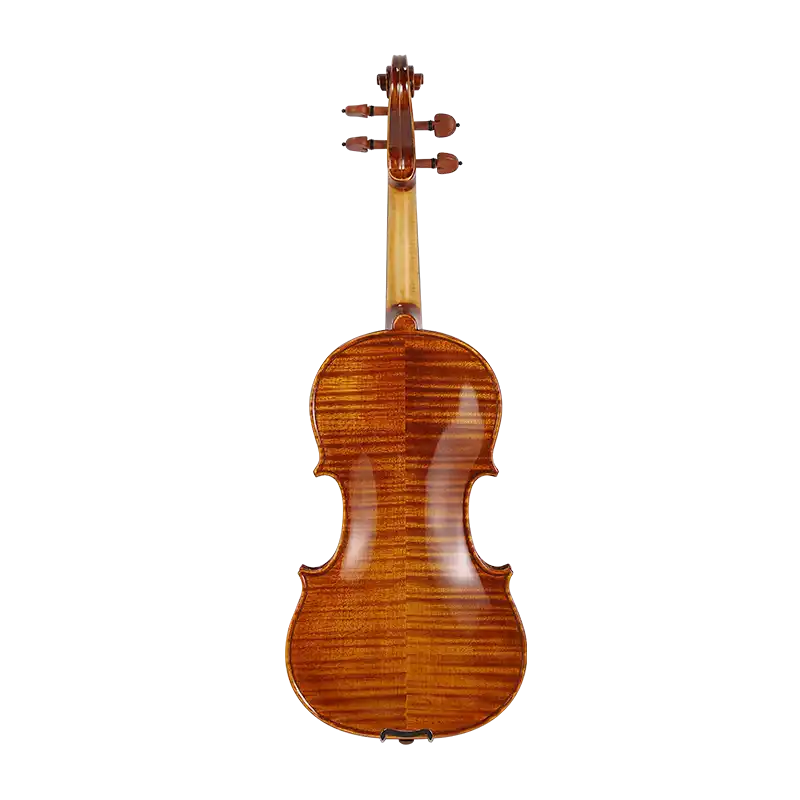
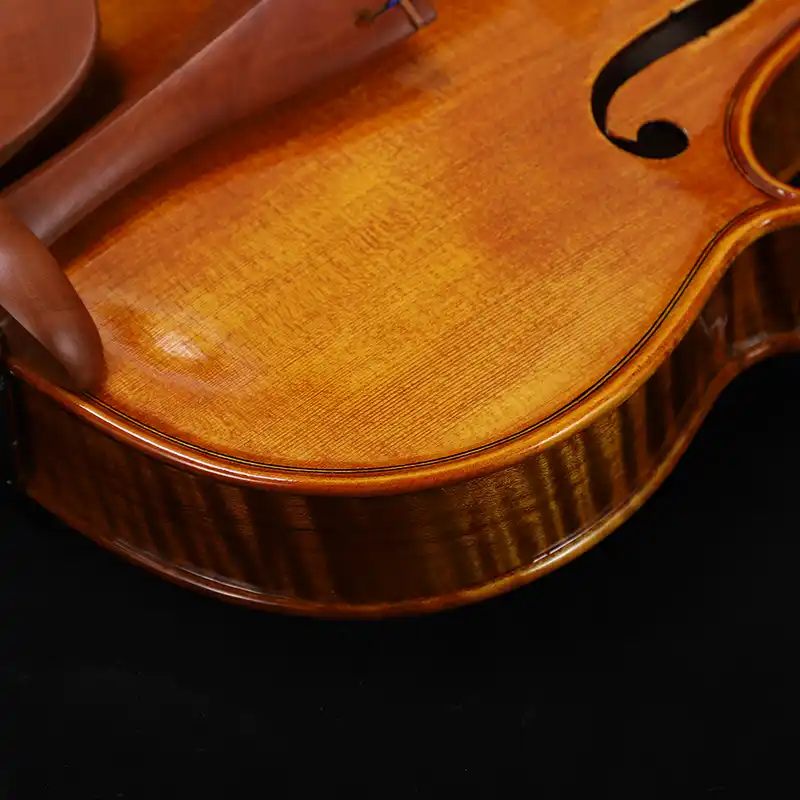
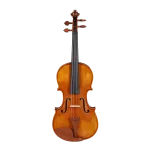
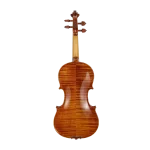
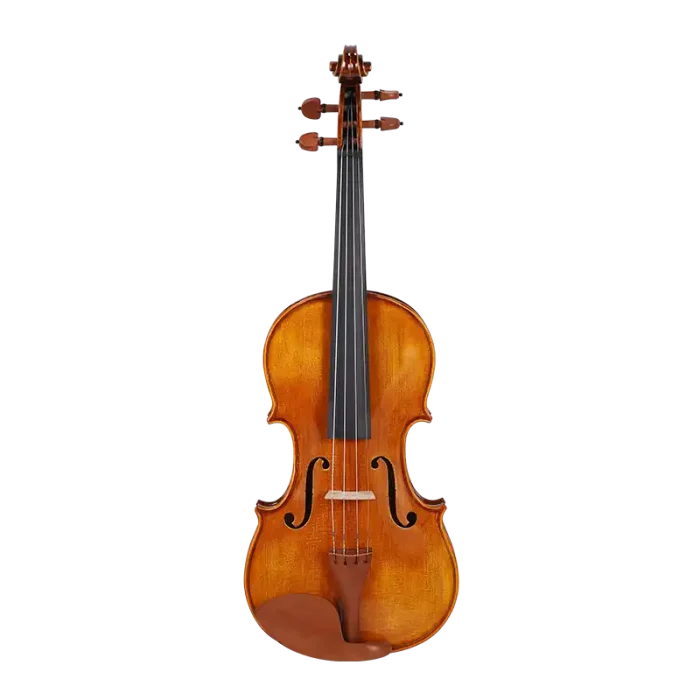
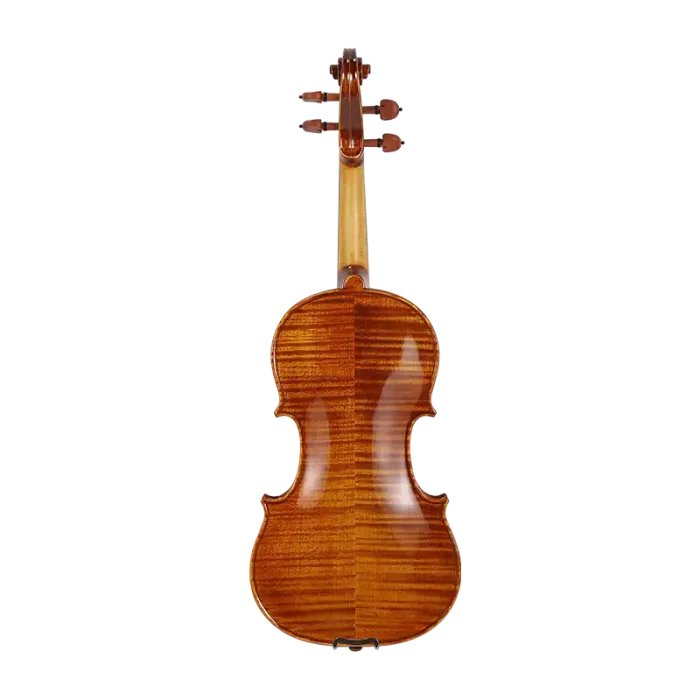
Wholesale intermediate violin outfit LV33 is designed for music schools, instrument dealers, distributors, rental programs, and B2B buyers who need a factory direct step-up violin package with stronger visual presentation and upgraded varnish detail. This model features a select spruce top, highly flamed maple back and ribs, slightly flamed maple scroll and neck, ebony fingerboard, A-grade / master grade bridge, jujube wood fittings, hand-applied spirit varnish, oblong case, and selected red sandalwood bow, with sizes available from 1/16 to 4/4.
Product positioning: LV33 is a higher-configuration intermediate / step-up violin outfit, not a professional or master violin. Its main value is the combination of highly flamed maple back and ribs, hand-applied spirit varnish, A-grade / master grade bridge, ebony fingerboard, jujube fittings, oblong case, and factory direct B2B supply structure.
Factory Direct Step-Up Violin Outfit with Highly Flamed Maple
LV33 is suitable for buyers who need an intermediate violin outfit with a stronger visual upgrade than lower step-up models. The highly flamed maple back and ribs give the model a more distinctive appearance for dealer catalogs, rental upgrade programs, music school supply, and wholesale distribution.
For B2B buyers, an upgraded intermediate violin outfit must remain repeatable across future orders. LV33 is built around stable specifications, consistent appearance, practical accessory matching, and export-ready packing so future shipments remain close to the approved product direction.
Buyers can also compare LV33 with other step-up models in our Intermediate Violins range to build a clear product ladder for music schools, dealers, rental programs, and wholesale distribution.
Highly Flamed Maple Back and Ribs
The key visual difference of LV33 is its highly flamed maple back and ribs. This gives the model a stronger step-up appearance compared with models that use only slightly flamed maple or more understated wood figure.
The maple should be described accurately as highly flamed maple back and ribs, with slightly flamed maple used for the scroll and neck. LV33 should not be described as a one-piece back, aged tonewood violin, master violin, or professional violin unless those specifications are clearly confirmed.
Hand-Applied Spirit Varnish Finish
LV33 uses hand-applied spirit varnish. This is an important difference from intermediate models that use hybrid varnish, and it gives buyers a clearer specification point when comparing step-up violin outfits within the same product range.
The varnish should be described as hand-applied spirit varnish, not oil varnish or antique oil varnish. Accurate wording helps buyers present the product honestly in their own catalogs and reduces misunderstanding during B2B purchasing.
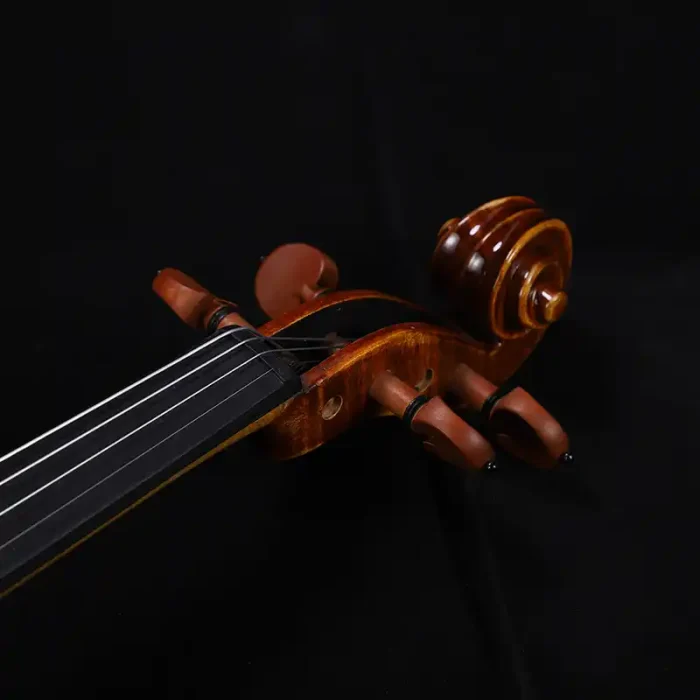
Select Spruce Top and Slightly Flamed Maple Scroll / Neck
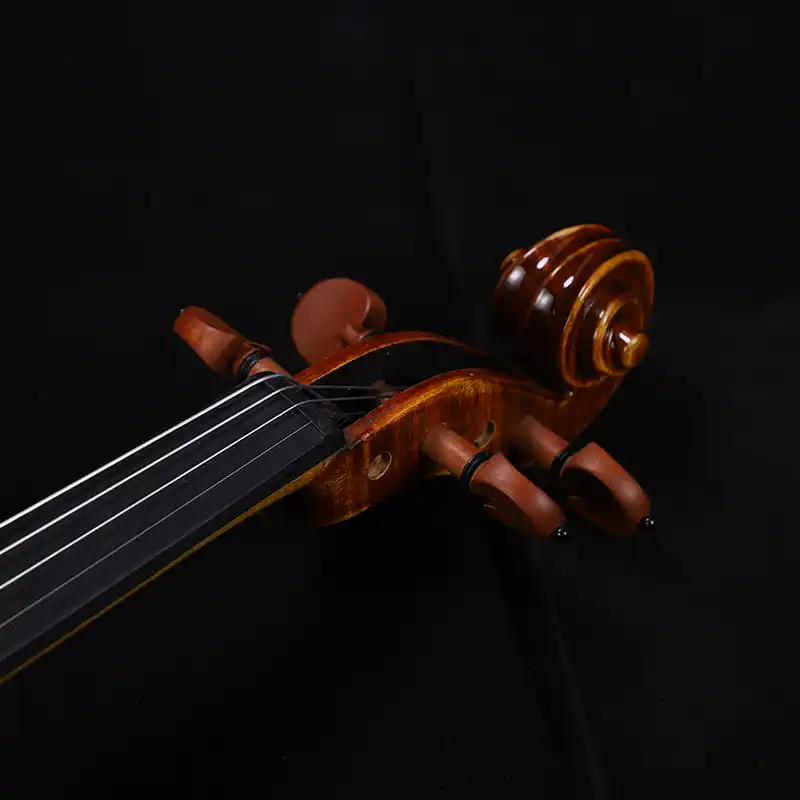
LV33 uses a select spruce top with slightly flamed maple scroll and neck. This configuration supports the model’s intermediate / step-up positioning and gives dealers a clear upgrade story compared with lower student violin outfits.
The combination of select spruce, highly flamed maple back and ribs, and slightly flamed maple scroll and neck helps LV33 maintain a stronger visual identity while staying suitable for factory direct B2B wholesale supply.
Ebony Fingerboard and A-Grade / Master Grade Bridge
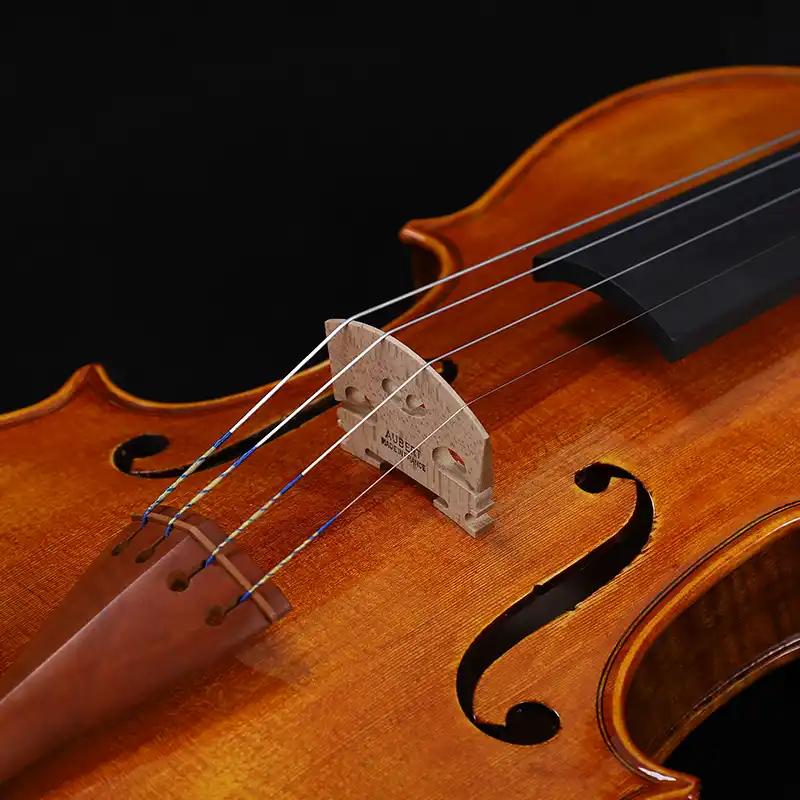
LV33 includes an ebony fingerboard, which provides a traditional specification point for advancing student instruments and intermediate violin outfits.
The model also uses an A-grade / master grade bridge. The term “master grade” refers to the bridge specification only. LV33 should not be described as a master violin, professional violin, or concert violin.
Jujube Wood Fittings for a Warm Traditional Appearance
LV33 uses jujube wood for the pegs, tailpiece, and chinrest. This gives the model a warm traditional appearance and keeps it clearly differentiated from ebony-fitted or chickenwing wood-fitted intermediate violin outfits.
For dealers and distributors, the jujube fittings create a recognizable visual identity while keeping LV33 practical for step-up student markets, rental upgrade programs, and repeat wholesale orders.
Oblong Case and Selected Red Sandalwood Bow
LV33 can be supplied with an oblong case and selected red sandalwood bow, making it a complete intermediate violin outfit for buyers who need the instrument, bow, and case as one coordinated package.
For wholesale buyers, outfit consistency affects the final customer experience. A matched bow, oblong case, and stable accessory configuration help dealers, distributors, and rental programs present LV33 as a reliable step-up violin package.
For additional accessory matching or different bundle levels, please refer to our Accessories page.
Full Size Range from 1/16 to 4/4
LV33 is available in 1/16, 1/8, 1/4, 1/2, 3/4, 7/8, and 4/4 full size. This complete size range is useful for music schools, rental programs, and distributors who need step-up violin options for students of different ages and learning stages.
For B2B buyers, full size availability helps simplify procurement and inventory planning. LV33 can be used as a consistent intermediate violin outfit line across multiple student size requirements.
OEM, Factory Direct Supply, and Repeat Orders
LV33 can support OEM and private label cooperation for buyers who need carton marks, model coding, accessory configuration, logo options, or market-specific packaging. This is useful for importers, wholesalers, rental programs, and distributors who manage repeat orders under their own brand or sales system.
For private label cooperation, carton requirements, bundle planning, or other customized supply needs, please visit our OEM/ODM service page.
QC Focus for LV33 Bulk Orders
For LV33 bulk orders, quality control focuses on appearance consistency, highly flamed maple presentation, hand-applied spirit varnish finish, ebony fingerboard condition, jujube fitting assembly, A-grade / master grade bridge placement, accessory matching, oblong case condition, packing readiness, and the step-up playing condition expected from an intermediate violin outfit.
Clear inspection standards help reduce receiving issues and make repeat orders easier to manage. You can review our quality control process for more information about how we manage B2B order consistency before shipment.
Export Packing and Delivery Planning
LV33 supports export-oriented packing coordination to protect the instrument, oblong case, bow, and accessories during international transit. Packing can be arranged according to order quantity, accessory configuration, carton requirements, and destination market needs.
For packing methods, delivery planning, and shipment coordination, please refer to our Shipping/Delivery/Packaging page.
FAQ
Q1: Who is LV33 suitable for?
LV33 is suitable for music schools, instrument dealers, distributors, rental programs, importers, and wholesale buyers who need a higher-configuration intermediate / step-up violin outfit with stronger visual presentation.
Q2: What is the key difference of LV33?
The key difference of LV33 is the combination of highly flamed maple back and ribs with hand-applied spirit varnish, supported by an ebony fingerboard, A-grade / master grade bridge, jujube fittings, oblong case, and selected red sandalwood bow.
Q3: Is LV33 a professional violin?
No. LV33 is positioned as a higher-configuration intermediate / step-up violin outfit. It should not be described as a professional, master, or concert violin.
Q4: Is the varnish oil varnish?
No. LV33 uses hand-applied spirit varnish. It should not be described as oil varnish or antique oil varnish.
Q5: How is LV33 different from LV32?
LV32 focuses on natural corduroy grain effect with hybrid varnish. LV33 focuses on highly flamed maple back and ribs with hand-applied spirit varnish, giving it a different visual and finish direction within the intermediate violin range.
Q6: Can LV33 support OEM packaging?
Yes. LV33 can support OEM packaging, carton marks, model coding, logo options, and standardized bundle arrangements for B2B buyers.